Dairy markets have experienced significant volatility over the last four years. Milk prices sky-rocketed in 2022, fell back in 2023, increased gradually again in 2024 and early 2025, before beginning a steep decline since last August.
Prices are now as low as they have been since 2021, but what is causing it?
Speaking on the Inside Dairy podcast, Ciaran Aylward, economist with Ornua gave some context on the current markets.
“It’s been an interesting couple of months for dairy markets. In the second half of last year, prices started falling because of a higher global milk supply.
“We’re starting to see a bit of stability creeping into the market now but to see pricing push on, we would need to see signs of either a weakening supply, or a pickup in demand,” he explained.
The geopolitical uncertainty in the Middle East has gone some way to generating this demand, as countries affected began stock-piling from January on, according to Aylward.
The downside to this is with these countries front-loading their demand into the first half of the year, it may result in a reduction in demand during the second half of the year.
This would inevitably then limit the scope for prices to increase much further than where they are now.
Ultimately, a reduction in milk supply internationally will be needed to see milk prices increase in the short-term, but this is not something that Aylward said he is necessarily seeing at the moment.
While the short-term outlook maybe downcast, the sentiment from speakers at Bord Bia’s dairy markets seminar last week in relation to the long-term outlook, was much brighter.
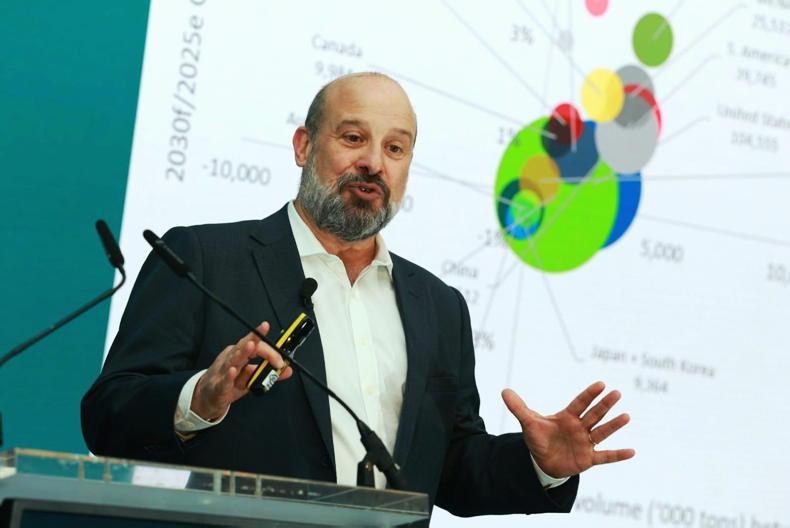
Globally, the demand for dairy protein is growing year on year. This was according to Christophe Lafougere, CEO of GIRA, a consulting and research company specialising in agri-food.
“Protein is now the name of the game,” he said.
A lot of this growth in demand is coming from the adult nutrition space, namely from the increased prevalence of the GLP-1 weight loss drugs.
GLP-1 is a hormone that naturally occurs in the human body. It works by regulating blood sugar and appetite.
The hormone is now used in prescription-drugs like Ozempic.
The drug was originally developed for use in treating type-2 diabetes, but in recent times has become a short-cut to rapidly losing weight.
While it’s meant to be sold as a prescription-only drug, Lafougere says it’s widely available to be purchased illegally, with online purchase a possibility in many countries.
The prescription drug was originally only available as an injectable, but it is now being sold in pill form.
This has only served to increase its popularity, according to Lafougere.
Why does this concern the dairy sector? Essentially, as the user of a GLP-1 loses fat mass, they are also losing muscle mass.
This muscle loss can also cause a reduction in bone density, having serious implications for normal body function. On top of this, as the drug regulates appetite, the amount of food eaten reduces.
Therefore, doctors advise those who are taking the drug to increase the level of protein in their diet, both for reducing muscle mass losses and
to account for the loss of protein intake, as a result of the smaller appetite.
Speaking on the use of the drug, Julian Mellentin founder of the New Nutrition brand told those in attendance at the seminar, that somewhere between 10% to 12% of adults in the US alone have used the drug at some stage.
Hence, the demand for protein-enriched foods has seen a major increase in recent years and is likely continue long into the future – which is good news for dairy sector.
Ongoing geopolitical tensions, new trade policies and environmental sustainability concerns are some of the key challenges that are facing the dairy sector at the moment.
This was according to Dr Eva Gocsik, head of global strategy on animal proteins at Rabobank.
Another area that sometimes gets overlooked but is perhaps likely to impact the most change in the dairy sector in coming years according to Dr Gocsik, is the stagnating milk supply being experienced in the EU.
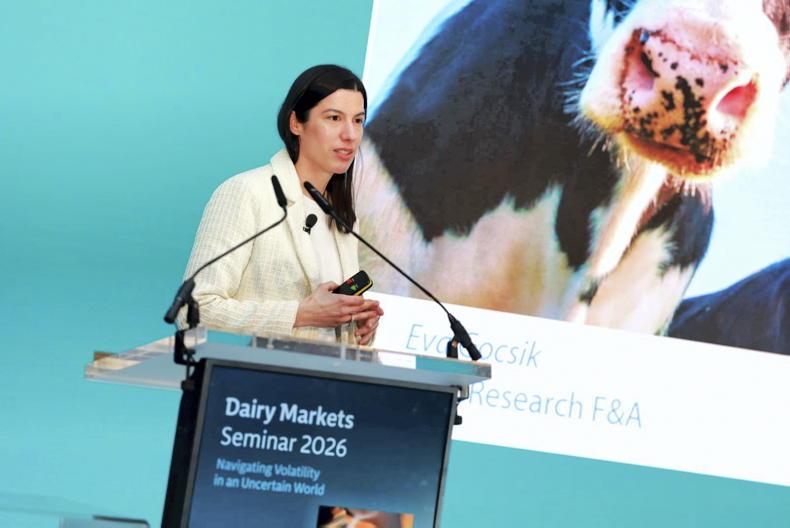
Dr. Eva Gocsik, global head of animal protein at Rabobank
“After years of growth, EU long-term milk supply is now stagnating. From 2019 through to 2026, there has been a growth in supply of just 0.2%” Dr Gocsik said.
This is down to a number of factors; an ageing farming population, the increase in input costs and reduced margins across the continent being the main reasons she said.
She also said smaller family farms on the continent are becoming less viable and, as a result, the younger generations are moving into other industries to make an easier living. This leaves older generations with no option but to sell or lease out the farm.
The bigger farms are then expanding and consolidating in order to make up for reduced profit margins per cow as well as breeding animals with higher milk output.
For that reason, she said milk supply is remaining steady; the supply from those farms being lost from the system is being replaced by the expanding farms with higher outputs per cow, Dr Gocsik explained.
What has been the impact on milk processors? Well, according to Dr Gocsik, as is the case on farms, dairy processors too will likely look to consolidate.
This essentially means processors are more likely to merge with other processors in the coming years.
A merger allows milk processors to increase the supply base giving greater security for the business, a wider product portfolio, easier access to capital and more access to different markets, she said.
This is already starting to happen in Europe and, interestingly, it’s not just small co-ops looking to merge in order to survive, larger processors are also looking at their options.
One of the more recent deals Dr Gocsik discussed was between two large European co-ops. The merger was between DMK, a German co-op with a milk pool of over 5.5bn litres and Arla, a Danish based co-op with a milk pool of over 13bn litres.
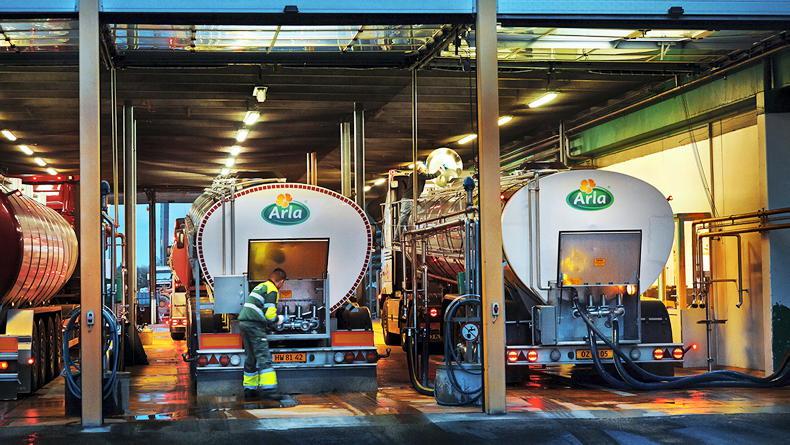
Arla and DMK combined now have a milk pool greater than the island of Ireland's.
The merger has made the new entity one of the biggest processors in Europe, with greater diversity and market reach.
DMK was already a major processor in its own right with a milk pool greater than any of the Irish processors.
Other recent agreements include, the merging of German brand Muller with UK brand Yew Tree Dairy, Belgian processor Milcobel with the Dutch co-op FrieslandCampina and the Irish merger between the Arrabawn and Tipperary co-ops.
Smaller processors
According to Dr Gocsik, smaller milk processors can still compete.
“They have some advantages over larger co-ops in that they are more agile, they experience less complexity with bureaucracy and more significantly, they have a more direct and deeper connection with their suppliers,” she said.
It’s Dr Gocsik’s belief that while the large processors stand a strong chance of success, smaller processors who are good at what they do and manage risk well, will also stand a good chance of succeeding in the future.
It’s the co-ops and processors who get caught between the two stools – those who are neither a large nor small co-op that will face the most pressures going forward.
Comment
It will be interesting to see how all of this materialises in an Irish context. The processing talk is particularly topical with the recent merger talks between the Aurivo and Dale Farm co-ops.
The duo attempted to merge in recent weeks but opted instead for a strategic partnership.
It’s a strong possibility that in the coming years, more mergers will be considered in order for co-ops to compete on a global stage.
In terms of milk supply currently, most of the Irish co-ops could be considered in this small to medium sized bracket.
For context, if all of the milk on the island of Ireland went to the same co-op, as a country we would still only rank seventh in a top 10 list of dairy processors as seen in Table 1.
Dairy markets have experienced significant volatility over the last four years. Milk prices sky-rocketed in 2022, fell back in 2023, increased gradually again in 2024 and early 2025, before beginning a steep decline since last August.
Prices are now as low as they have been since 2021, but what is causing it?
Speaking on the Inside Dairy podcast, Ciaran Aylward, economist with Ornua gave some context on the current markets.
“It’s been an interesting couple of months for dairy markets. In the second half of last year, prices started falling because of a higher global milk supply.
“We’re starting to see a bit of stability creeping into the market now but to see pricing push on, we would need to see signs of either a weakening supply, or a pickup in demand,” he explained.
The geopolitical uncertainty in the Middle East has gone some way to generating this demand, as countries affected began stock-piling from January on, according to Aylward.
The downside to this is with these countries front-loading their demand into the first half of the year, it may result in a reduction in demand during the second half of the year.
This would inevitably then limit the scope for prices to increase much further than where they are now.
Ultimately, a reduction in milk supply internationally will be needed to see milk prices increase in the short-term, but this is not something that Aylward said he is necessarily seeing at the moment.
While the short-term outlook maybe downcast, the sentiment from speakers at Bord Bia’s dairy markets seminar last week in relation to the long-term outlook, was much brighter.
Globally, the demand for dairy protein is growing year on year. This was according to Christophe Lafougere, CEO of GIRA, a consulting and research company specialising in agri-food.
“Protein is now the name of the game,” he said.
A lot of this growth in demand is coming from the adult nutrition space, namely from the increased prevalence of the GLP-1 weight loss drugs.
GLP-1 is a hormone that naturally occurs in the human body. It works by regulating blood sugar and appetite.
The hormone is now used in prescription-drugs like Ozempic.
The drug was originally developed for use in treating type-2 diabetes, but in recent times has become a short-cut to rapidly losing weight.
While it’s meant to be sold as a prescription-only drug, Lafougere says it’s widely available to be purchased illegally, with online purchase a possibility in many countries.
The prescription drug was originally only available as an injectable, but it is now being sold in pill form.
This has only served to increase its popularity, according to Lafougere.
Why does this concern the dairy sector? Essentially, as the user of a GLP-1 loses fat mass, they are also losing muscle mass.
This muscle loss can also cause a reduction in bone density, having serious implications for normal body function. On top of this, as the drug regulates appetite, the amount of food eaten reduces.
Therefore, doctors advise those who are taking the drug to increase the level of protein in their diet, both for reducing muscle mass losses and
to account for the loss of protein intake, as a result of the smaller appetite.
Speaking on the use of the drug, Julian Mellentin founder of the New Nutrition brand told those in attendance at the seminar, that somewhere between 10% to 12% of adults in the US alone have used the drug at some stage.
Hence, the demand for protein-enriched foods has seen a major increase in recent years and is likely continue long into the future – which is good news for dairy sector.
Ongoing geopolitical tensions, new trade policies and environmental sustainability concerns are some of the key challenges that are facing the dairy sector at the moment.
This was according to Dr Eva Gocsik, head of global strategy on animal proteins at Rabobank.
Another area that sometimes gets overlooked but is perhaps likely to impact the most change in the dairy sector in coming years according to Dr Gocsik, is the stagnating milk supply being experienced in the EU.
Dr. Eva Gocsik, global head of animal protein at Rabobank
“After years of growth, EU long-term milk supply is now stagnating. From 2019 through to 2026, there has been a growth in supply of just 0.2%” Dr Gocsik said.
This is down to a number of factors; an ageing farming population, the increase in input costs and reduced margins across the continent being the main reasons she said.
She also said smaller family farms on the continent are becoming less viable and, as a result, the younger generations are moving into other industries to make an easier living. This leaves older generations with no option but to sell or lease out the farm.
The bigger farms are then expanding and consolidating in order to make up for reduced profit margins per cow as well as breeding animals with higher milk output.
For that reason, she said milk supply is remaining steady; the supply from those farms being lost from the system is being replaced by the expanding farms with higher outputs per cow, Dr Gocsik explained.
What has been the impact on milk processors? Well, according to Dr Gocsik, as is the case on farms, dairy processors too will likely look to consolidate.
This essentially means processors are more likely to merge with other processors in the coming years.
A merger allows milk processors to increase the supply base giving greater security for the business, a wider product portfolio, easier access to capital and more access to different markets, she said.
This is already starting to happen in Europe and, interestingly, it’s not just small co-ops looking to merge in order to survive, larger processors are also looking at their options.
One of the more recent deals Dr Gocsik discussed was between two large European co-ops. The merger was between DMK, a German co-op with a milk pool of over 5.5bn litres and Arla, a Danish based co-op with a milk pool of over 13bn litres.
Arla and DMK combined now have a milk pool greater than the island of Ireland's.
The merger has made the new entity one of the biggest processors in Europe, with greater diversity and market reach.
DMK was already a major processor in its own right with a milk pool greater than any of the Irish processors.
Other recent agreements include, the merging of German brand Muller with UK brand Yew Tree Dairy, Belgian processor Milcobel with the Dutch co-op FrieslandCampina and the Irish merger between the Arrabawn and Tipperary co-ops.
Smaller processors
According to Dr Gocsik, smaller milk processors can still compete.
“They have some advantages over larger co-ops in that they are more agile, they experience less complexity with bureaucracy and more significantly, they have a more direct and deeper connection with their suppliers,” she said.
It’s Dr Gocsik’s belief that while the large processors stand a strong chance of success, smaller processors who are good at what they do and manage risk well, will also stand a good chance of succeeding in the future.
It’s the co-ops and processors who get caught between the two stools – those who are neither a large nor small co-op that will face the most pressures going forward.
Comment
It will be interesting to see how all of this materialises in an Irish context. The processing talk is particularly topical with the recent merger talks between the Aurivo and Dale Farm co-ops.
The duo attempted to merge in recent weeks but opted instead for a strategic partnership.
It’s a strong possibility that in the coming years, more mergers will be considered in order for co-ops to compete on a global stage.
In terms of milk supply currently, most of the Irish co-ops could be considered in this small to medium sized bracket.
For context, if all of the milk on the island of Ireland went to the same co-op, as a country we would still only rank seventh in a top 10 list of dairy processors as seen in Table 1.





SHARING OPTIONS