



Milk levies, by their nature, are small and often go under the radar on the monthly milk statement.
They may only shave fractions of a cent off every litre, but they add up fast and most farmers aren’t fully sure where that money actually goes.
As margins tighten, the spotlight often shines on these smaller deductions and the value they deliver. Understanding where they go and who benefits from them is important to deliver transparency across the industry.
Depending on the co-op or the individual farmer, the milk cheque may display different levy charges.
Some levies are mandatory while other levies are voluntary. The four mandatory levies paid by majority of farmers are the National Dairy Council levy, the dairy research levy, the disease eradication levy and the official controls regulation levy.
The National Milk Agency levy is also mandatory but only for farmers in a liquid milk contract.
Levies like the EIF levy which is distributed between the IFA and ICMSA are voluntary levies and farmers can choose to opt -out of these.
So, what are the costs of all of these levies, what is the money being used for and how does the farmer benefit? To understand this, each levy needs to be looked at in isolation.
The National Dairy Council (NDC) levy is paid by the majority of Irish farmers, but is dependent on the co-op a farms milk is supplied into.
Lakeland and the Drinagh co-op are not members of the NDC and therefore suppliers of those co-ops do not pay the levy.
The cost of the levy is 0.07c/l, making it the biggest of the four mandatory levies for Irish farmers. For the average cow producing 5,500l, the cost of the levy annually is €3.85/cow. Across a 100-cow herd that cost is €385.
In terms of where the money goes, the NDC has four main strategic pillars. The first pillar is advocating for dairy farmers and the sustainability of our grass-based system.
The second pillar is to encourage the consumption of dairy in Ireland.
The third pillar is to distinguish dairy produced in the Republic of Ireland using the NDC trademark and the final pillar is to deliver the EU school milk scheme.
The fund established through the levy is divided between the first three pillars. The EU school milk scheme is not funded through the levy but instead using EU funds with some support from DAFM.
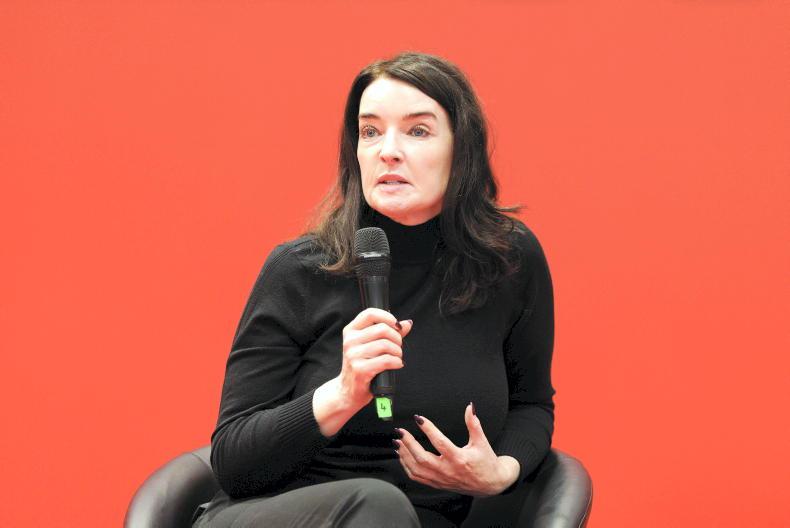
Speaking on the levy CEO of the NDC Emma Walls said: “Our job is to tell the story of Irish dairy and we see the levy as a pledge of faith in our ability to tell that story. At the NDC we identify (and invest in) the projects that can deliver across all our strategic pillars to ensure value for money.”
One of the projects that NDC have contributed to is the Our Food Roots programme established in the second half of 2025.
The organisation is a member-funded programme, established to bridge the gap between farming and the Irish public.
It says that as fewer people have direct ties to a farm, the understanding is fading even though interest in where food comes from is continuing to grow.
Our Food Roots will play two roles; one in supporting industry to speak about the sector and the other will be communicating directly with consumers.
The body plans to identify the right experts and spokespeople that can represent the sector on either national airwaves, local, radio or whatever medium is most appropriate. The programme is co-ordinated by Tom Cronin, executive director of Our Food Roots.
The NDC and other organisations, including meat processors, have contributed undisclosed figures to Our Food Roots but, to date, there is little evidence of what that money is being used for.
The Bovine Disease Levy is one of two mandatory levies imposed by the Department of Agriculture Food and Marine (DAFM).
The levy was introduced in order to collect a contribution from farmers towards the eradication of diseases like TB and Brucellosis. Brucellosis has been successfully eradicated in Ireland but TB remains a big issue on farms. The cost of this levy is 0.06c/l. For the average cow it’s a cost of €3.30/cow/year, equating to an annual cost of €330 for a 100-cow herd.
The Official Controls Regulation (OCR) levy is the second of the two levies managed by DAFM.
The OCR levy was imposed to cover the costs associated with farm and manufacturing audits as well as providing traceability and export certs.
The levy is charged at a rate of 0.051c/l.
On the average cow that’s an annual cost of €2.80 or €280 across a 100-cow herd.
The dairy research levy is a levy paid by all dairy farmers to Dairy Research Ireland (DRI) also known as the Dairy Research Trust.
The organisation’s job is to decide where the levy money goes and how to divide up the pot.
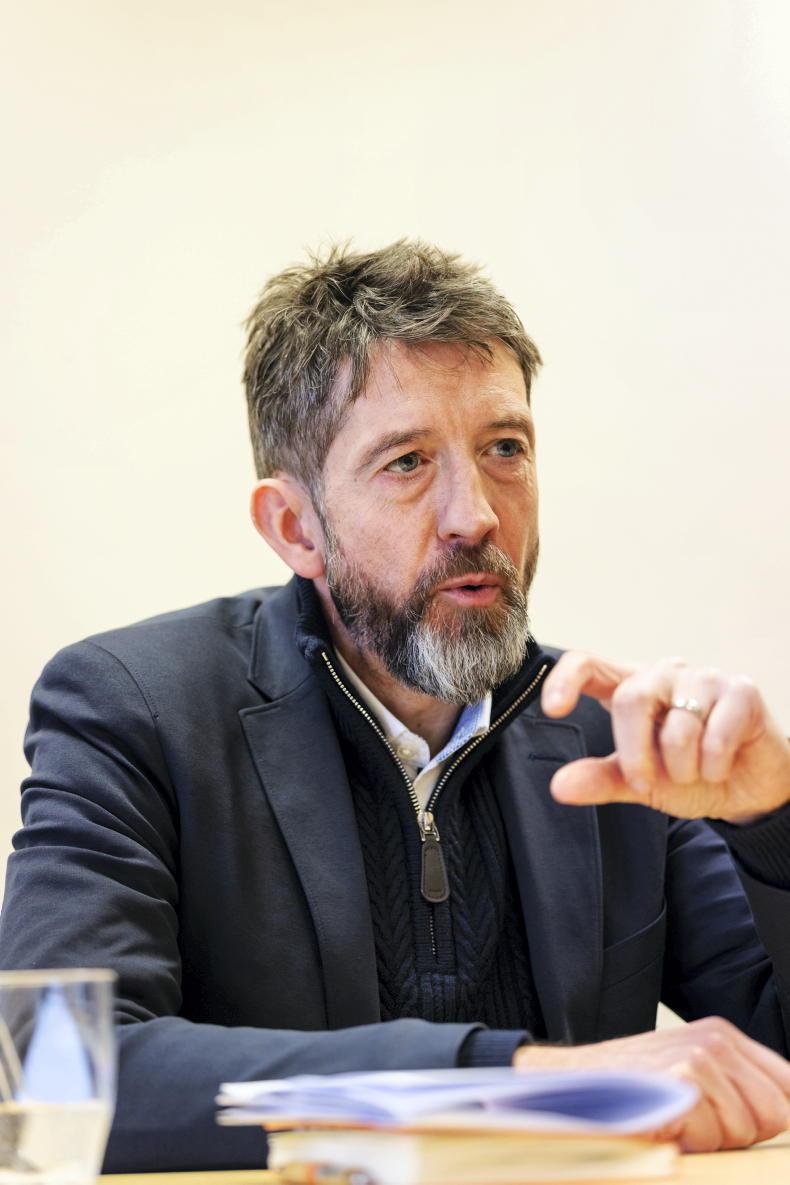
“DRI supports a wide range of programmes and projects focused on delivering practical benefits for dairy farmers while protecting the long-term sustainability and reputation of the Irish dairy sector” this was according to chair of the board Mary Delaney.
The board of DRI is made up of nine members. Three from ICOS, three from the IFA, two from the ICMSA with the final member an independent co-option.
“The current contribution by farmers amounts to 0.036 cent/litre. This funding amounts to approximately €2.00 per cow/year,” said Delaney.
This figure is based on the average cow who produces 5,500 litres of milk. In a 100-cow herd this equates to an annual charge of €200. The levy is the smallest charge of all four of the mandatory levies.
Approximately 80% of the funds gathered through the milk levy are used for production research, with the remaining 20% set aside for food research.
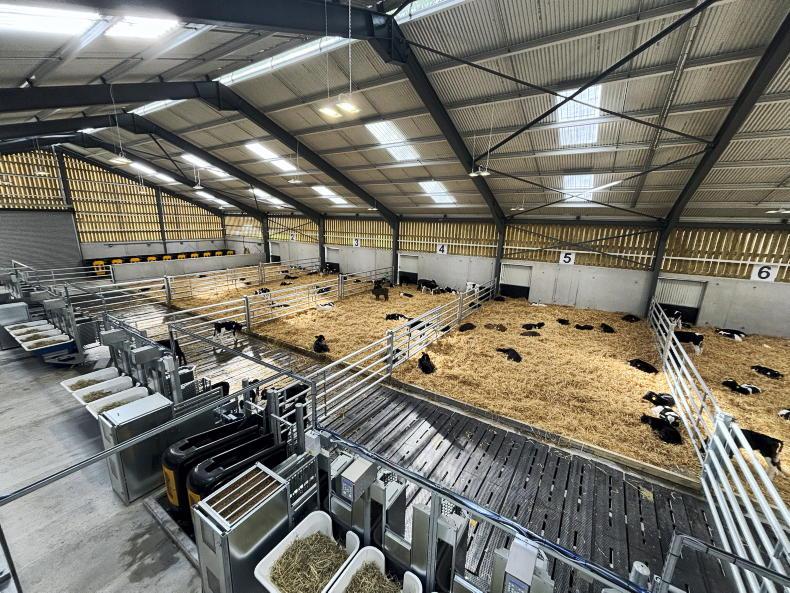
Current research programmes include a range of Teagasc production research projects, the UCD calf education and research centre as well as the Farm Zero C project at Shinagh farm. DRI say that research part funded by the levy has been a key component in delivering progress in EBI, adoptions of sexed semen and a better understanding of dairy calf health and welfare.
Another deduction some farmers may see on their milk statement is the National Milk Agency levy.
This levy is only paid by those farmers in a liquid milk contract.
The rate of the levy is 0.115c/l, making it the most expensive of any milk levy charge.
The cost for the average cow producing 5,500l/year is approximately €6.33. In a 100-cow herd that’s an annual charge of €633.
The National Milk Agency was established in the 90’s to regulate the supply of milk for liquid consumption in Ireland.
The role of the Agency is ensuring the economic sustainability of the production of an all-year-round domestic supply of fresh milk for consumers in Ireland.
Voluntary levies
There are a range of voluntary levies that farmers across Ireland maybe signed up to. Levies to the IFA or ICMSA for example are being paid by many farmers, but can be opted out of.
Both organisations charge a combined 0.15% or €1.50 in every €1,000 of milk sales.
The levies form significant percentages of both organisations annual income and goes towards their annual expenses and campaigns.
The total combined cost for the four mandatory levies excluding the National Milk Agency levy, is approximately €12/year for the average cow.
Including the National Milk Agency levy and the voluntary IFA and ICMSA levies, the cost is closer to €21/year.
This figure seems small when you consider that the cow will likely generate over €2,000/year in milk sales but it’s still a cost.
This cost can be a source of frustration for farmers at times, with a proportion of their monthly income siphoned off and delivered to others before they ever get a chance to see it.
While it may cause annoyance, by and large farmers are not against paying the small price, provided they know where the money is going and that it’s being put to good use.
The boards of the various organisations carry the responsibility of deciding how this money is divided and directed.
The evidence so far would suggest the majority of the money spent by the different organisations has yielded very positive returns for farmers and industry alike.
Huge strides have been made in areas like research, disease control and the image of Irish dairy farming.
The NDC to their credit have been a big part of that and provided a lot of good for the industry but now that a significant part of their budget is going to Our Food Roots does raise concerns.
The lack of transparency around the level of funding from NDC and other farmer funded organisations Our Food Roots will be of concern to farmers who are paying out their hard-earned money on these levies.



SHARING OPTIONS