It’s that time of year again, when farmers need to decide what to do with the cull cows. Stock prices are at an all-time high, while milk prices look like they’ll remain steady.
Decision time is here so we’re looking at the options available to farmers at the moment.
Option 1, sell cull cows now
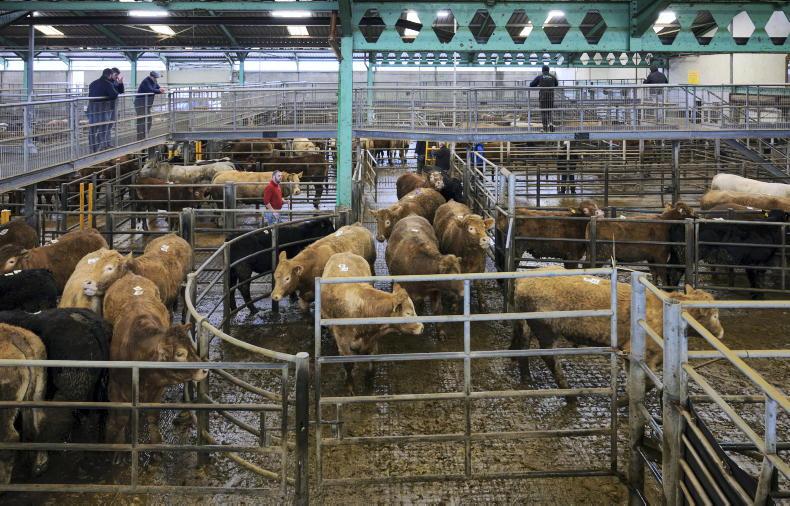
Cull cows are currently fetching prices of roughly €2.80/kg liveweight in the mart. For an average 600kg cow that’s €1,680 to leave the farm now. Taking these cows out of the system now will reduce the demand for grass and silage while also reducing labour.
The priority at this time of year should be around building covers for spring 2026. Keeping on cull cows and milking them until November will put an extra demand on grass unless the cows are fully housed and fed a concentrate diet.
There are several other things to consider in this scenario. Will the extra cows push the farm into a higher band of production and/or push the farm above the organic nitrogen stocking rate limit. If so, the farm will pay a significant price for holding these cows.
Theres also the issue of the additional labour involved in liming cubicles, feeding and milking these cows if they are housed. All these things need to be factored into the decision.
If it’s a case that the farm is currently experiencing a grass deficit and silage supplies are tight, selling these cull cows now is probably the best option. Eating into the average farm cover will only add pressure and significant cost to the system.
Taking the €1,680, by selling now will take pressure off the system and will leave the farm in a far better position next spring.
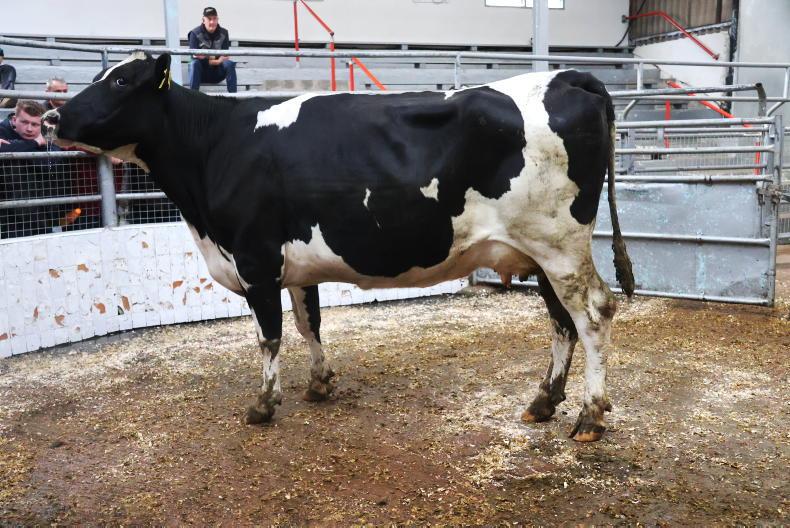
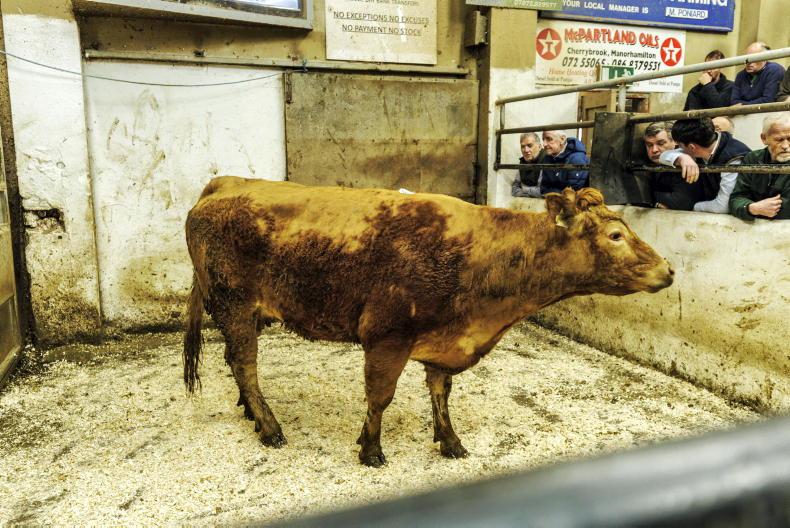
Cull cow prices are strong at the moment in the mart. This cow weighing 620kg, sold recently for €1,900.
Option 2, milk cows on until the end of November
The alternative option being considered by many farmers currently is to milk on these cull cows until the end of November and then selling them as a cull cow.
Based on the current milk prices cows are likely to earn a further €400-€500 in profit or margin if they are milked from now until 31 November.
This is based on the calculation of them producing 1,577l per cow over the next three months. At a milk price received of 57c/l including VAT, that’s a total earning of €900/cow in milk sales.
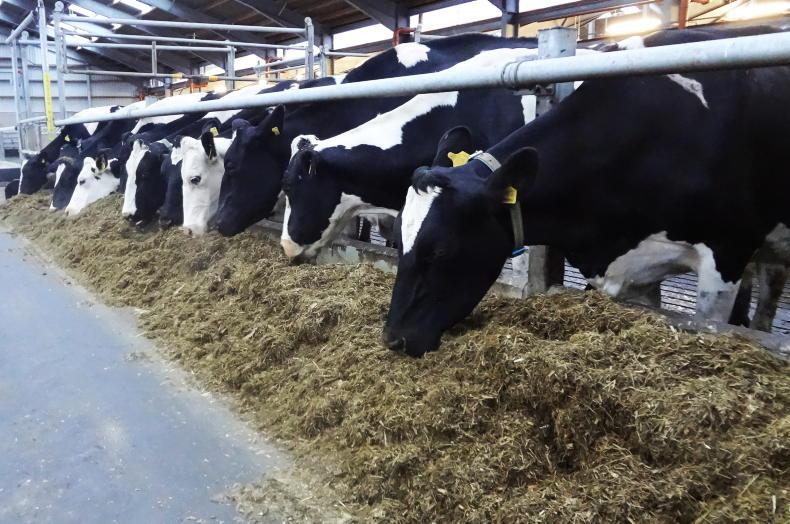
Cows will eat 18kg of dry matter per day over these three months. If this diet was made up of 6kg of meal, 6kg of silage and 6kg of grass for September and October. Then 12kg of silage and 6kg of meal for November, the total cost of the diet will be in the region of €354 per cow.
The costings in the tables are based on meal at €300/tonne, silage at €35/bale and grass at a cost of 10c per kilogram of utilised grass.
The margin based on the initial calculations comes to €545 by keeping the cows to 31 November. By this time cows will be in good condition and should still receive a cull cow price of €1,680 at the €2.80/kg mart price for an average 600kg cow, presuming stock prices stay the same.
The cost of replacing the feed eaten by these 20 cows must also be accounted for. The cows will eat just over 3.5 bales each. Silage has already been costed at purchased price.
In terms of grass intake, each cow will require 366kg of grass dry matter during this period.
If, for example in a 100-cow herd there are 20 cull cows, that’s 7.3t/DM taken off the platform. This means there’ll be 7.3t/DM less for the remaining 80 cows that would be there if the other cows were culled now.
The assumption is this 7.3t/DM must be replaced in the form of supplement. If this comes in the form of meal, the total cost would be €2,200. This is a figure of €110 per cull cow, which reduces the net profit per cull cow to €445.
In the typical 100-cow herd with 20 cull cows kept on until the end of November there’s a total extra margin of €8,900 on top of the cull cow prices.
This is still a sizeable return for the labour required. Other small additional costs not factored into the calculation include labour, lime for cubicles and other sundry expenses like the electricity costs for bulk tank, parlours and scrapers.
Conclusion
Ultimately the decision to milk on or cull now should depend on the farm and the feed situation. On farms with excess grass and surplus silage who are well ahead of targets in term of average farm cover, it makes sense to milk these cows on and sell them at the end of November, or any time in between.
On those farms facing a grass shortage and who are well behind average cover targets, it might be time to look at moving these cows on now to ease system pressure. Keeping them on will mean supplementing the gap either this autumn or next spring.
It’s that time of year again, when farmers need to decide what to do with the cull cows. Stock prices are at an all-time high, while milk prices look like they’ll remain steady.
Decision time is here so we’re looking at the options available to farmers at the moment.
Option 1, sell cull cows now
Cull cows are currently fetching prices of roughly €2.80/kg liveweight in the mart. For an average 600kg cow that’s €1,680 to leave the farm now. Taking these cows out of the system now will reduce the demand for grass and silage while also reducing labour.
The priority at this time of year should be around building covers for spring 2026. Keeping on cull cows and milking them until November will put an extra demand on grass unless the cows are fully housed and fed a concentrate diet.
There are several other things to consider in this scenario. Will the extra cows push the farm into a higher band of production and/or push the farm above the organic nitrogen stocking rate limit. If so, the farm will pay a significant price for holding these cows.
Theres also the issue of the additional labour involved in liming cubicles, feeding and milking these cows if they are housed. All these things need to be factored into the decision.
If it’s a case that the farm is currently experiencing a grass deficit and silage supplies are tight, selling these cull cows now is probably the best option. Eating into the average farm cover will only add pressure and significant cost to the system.
Taking the €1,680, by selling now will take pressure off the system and will leave the farm in a far better position next spring.
Cull cow prices are strong at the moment in the mart. This cow weighing 620kg, sold recently for €1,900.
Option 2, milk cows on until the end of November
The alternative option being considered by many farmers currently is to milk on these cull cows until the end of November and then selling them as a cull cow.
Based on the current milk prices cows are likely to earn a further €400-€500 in profit or margin if they are milked from now until 31 November.
This is based on the calculation of them producing 1,577l per cow over the next three months. At a milk price received of 57c/l including VAT, that’s a total earning of €900/cow in milk sales.
Cows will eat 18kg of dry matter per day over these three months. If this diet was made up of 6kg of meal, 6kg of silage and 6kg of grass for September and October. Then 12kg of silage and 6kg of meal for November, the total cost of the diet will be in the region of €354 per cow.
The costings in the tables are based on meal at €300/tonne, silage at €35/bale and grass at a cost of 10c per kilogram of utilised grass.
The margin based on the initial calculations comes to €545 by keeping the cows to 31 November. By this time cows will be in good condition and should still receive a cull cow price of €1,680 at the €2.80/kg mart price for an average 600kg cow, presuming stock prices stay the same.
The cost of replacing the feed eaten by these 20 cows must also be accounted for. The cows will eat just over 3.5 bales each. Silage has already been costed at purchased price.
In terms of grass intake, each cow will require 366kg of grass dry matter during this period.
If, for example in a 100-cow herd there are 20 cull cows, that’s 7.3t/DM taken off the platform. This means there’ll be 7.3t/DM less for the remaining 80 cows that would be there if the other cows were culled now.
The assumption is this 7.3t/DM must be replaced in the form of supplement. If this comes in the form of meal, the total cost would be €2,200. This is a figure of €110 per cull cow, which reduces the net profit per cull cow to €445.
In the typical 100-cow herd with 20 cull cows kept on until the end of November there’s a total extra margin of €8,900 on top of the cull cow prices.
This is still a sizeable return for the labour required. Other small additional costs not factored into the calculation include labour, lime for cubicles and other sundry expenses like the electricity costs for bulk tank, parlours and scrapers.
Conclusion
Ultimately the decision to milk on or cull now should depend on the farm and the feed situation. On farms with excess grass and surplus silage who are well ahead of targets in term of average farm cover, it makes sense to milk these cows on and sell them at the end of November, or any time in between.
On those farms facing a grass shortage and who are well behind average cover targets, it might be time to look at moving these cows on now to ease system pressure. Keeping them on will mean supplementing the gap either this autumn or next spring.






SHARING OPTIONS