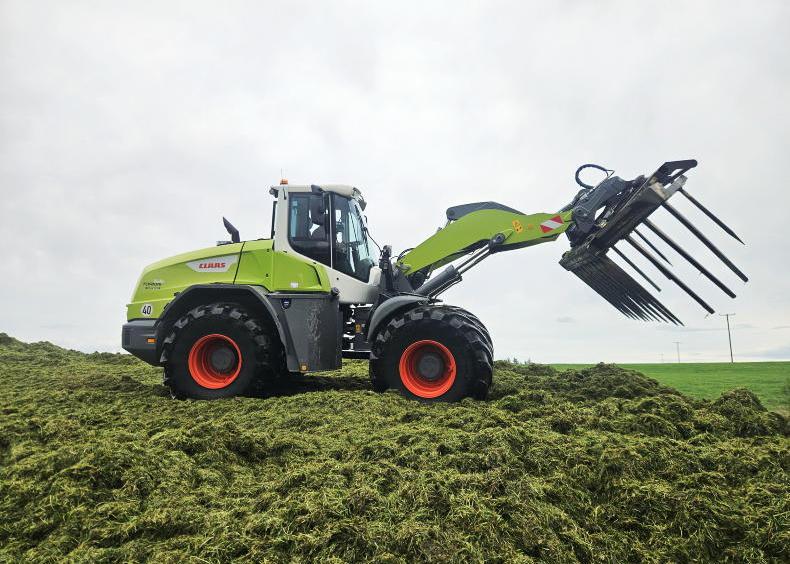
Telehandlers or telescopic loaders offer an excellent alternative to tractors and loaders when it comes to reducing labour hours and improving efficiency on farms.
It’s unlikely you’ll find these types of machines for anything under €20,000 but with many farmers inquiring about them, we felt it would be a good idea to follow up our tractor section with an alternative option.
I’ve heard on many occasions from farmers on the ground that the telehandler is the only bit of machinery that gets turned on almost every day without fail around a yard. There’s no doubting they are a handy bit of kit, very versatile and offer more flexibility than a tractor in day-to-day jobs.
In most cases they are used alongside a tractor. The tractor does the heavy field work, while the loader is used for any lighter tasks.
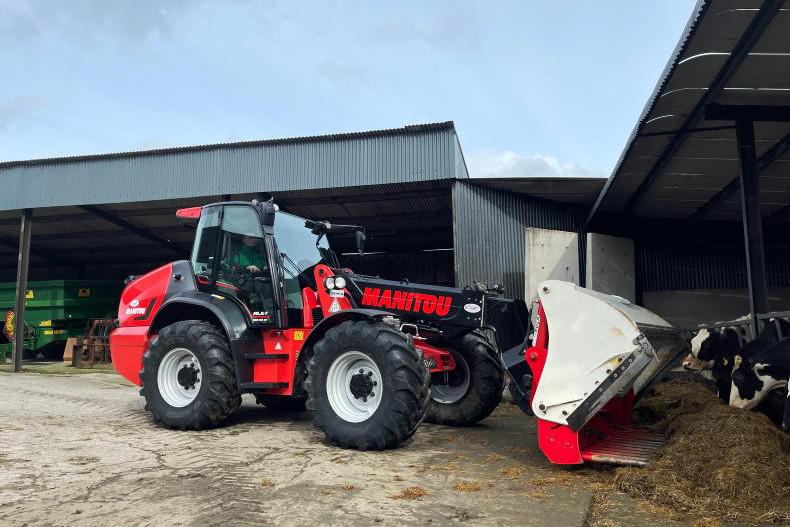
For jobs like silage feeding, cleaning sheds or loading diet feeders, these machines can approximately halve the time it would take using a tractor and front loader.

There are different options out there but for a new telehandler, you’re looking at similar costs to a small new tractor.
They are designed to lift loads from one tonne up to six tonnes, depending on the make and model.
These types of loads would put serious pressure on a tractor's front axle but this is not an issue in the loaders and handlers.
Most handlers have extendable arms that extend out from anywhere between three to eight metres. Lifting capacity decreases with the length of boom extension. This gives you added flexibility over the rigid tractor and front loader option.
Purchasing a telehandler
There are different options out there but for a new telehandler, you’re looking at similar costs to a small new tractor. Majority of new loaders are well upwards of €70,000-€80,000 plus VAT.
The same financing options are typically available for these machines as they were with the tractors discussed in the previous section. Finance is available through hire-purchase or finance leasing with most dealers.
You can also avail of capital allowances for tax purposes, with these machines being depreciated over eight years at 12.5% per year, similar to the tractor.
Secondhand machines are available. However, there’s usually a lot of hours on these used machines by the time someone considers selling them. Purchasing costs for a secondhand telehandler will be roughly half that of a new machine.
JCB and Manitou make up for a large market share of loaders sold in Ireland, with Kramer coming in third. Overall, registrations for these types of machines seem to be on the rise year on year according to the FTMTA.
Return on investment
The big saving of a telehandler comes in reducing the need for a tractor. If you’re still operating a new tractor alongside the telehandler, you won’t be seeing much return on your money.
The majority of farmers using a telehandler might have an older tractor for field jobs. This reduces the wear and tear on the tractor and will save you upgrading as frequently.
Telehandlers can halve the time spent at these jobs when compared with a tractor and front loader. This is a big time saving, particularly as we look to reduce the hours spent working on Irish farms
These machines are very useful for a farm that contracts out the fertiliser and slurry work. In such cases, a telehandler can almost completely replace the need for a tractor. They’re a more efficient tool for the jobs around the yard, like feeding, cleaning sheds and other odd jobs.
As mentioned earlier, telehandlers can halve the time spent at these jobs when compared with a tractor and front loader. This is a big time saving, particularly as we look to reduce the hours spent working on Irish farms.
Rough estimate
Let's take a rough estimate of 500 hours of work done by a tractor in a year (excluding the fertiliser, slurry etc) and a labour cost of €20/hour. That’s a cost of €10,000 per year. If the telehandler is capable of halving the time spent in the cab, that’s a saving of €5,000/year.
On top of labour, the running cost of a tractor is roughly €10/hour when one accounts for the diesel, repairs and depreciation costs. That’s a running cost of at least €5,000/year, bringing the total cost of running the tractor to €15,000 for the year, including the labour.
A telehandler being operated for half the hours costs €2,500 a year in running costs, bringing the total cost to €7,500, including labour. Overall, that’s a total rough saving of €7,500/year in operating a telehandler over a tractor.
Machinery is depreciated over eight years. If we take the purchase cost of a new tractor plus its running costs for eight years and compare it to the equivalent for a telehandler, we will be able to explore the investment potential in more detail.
The tractor in the example above is considered for yard work only. There is a total saving of around €90,000 with the telehandler when we account for the purchase cost, labour cost and the running costs of the two machines.
The calculations are approximate and based on 500 hours of work done by a tractor. The assumption made is that the telehandler would be able to carry out the same work but in half the time. The initial purchase cost will vary depending on the make, model and age of the machines.
My rating
On well-established farms that have invested well over the year in the more important areas like soil fertility, grazing infrastructure and milking facilities, I think this is a very solid investment choice.
Anything on a farm that can significantly reduce the labour input is something worth looking at, in my opinion. The less time you spend in a cab the better.
If you haven’t invested well in these areas, I would suggest holding off on a telehandler for the time being. It’s a big investment and we know the return on investment of machinery is very low.
If you are looking at buying one, do the necessary research. Like tractors, there’s reputable brands out there and those not so highly rated. When you’re planning on spending this much money, put it somewhere you’ll get the value.
I’d give this investment a 3/5. You won’t see major returns but it can certainly make the job easier and more enjoyable.
Telehandlers or telescopic loaders offer an excellent alternative to tractors and loaders when it comes to reducing labour hours and improving efficiency on farms.
It’s unlikely you’ll find these types of machines for anything under €20,000 but with many farmers inquiring about them, we felt it would be a good idea to follow up our tractor section with an alternative option.
I’ve heard on many occasions from farmers on the ground that the telehandler is the only bit of machinery that gets turned on almost every day without fail around a yard. There’s no doubting they are a handy bit of kit, very versatile and offer more flexibility than a tractor in day-to-day jobs.
In most cases they are used alongside a tractor. The tractor does the heavy field work, while the loader is used for any lighter tasks.
For jobs like silage feeding, cleaning sheds or loading diet feeders, these machines can approximately halve the time it would take using a tractor and front loader.
There are different options out there but for a new telehandler, you’re looking at similar costs to a small new tractor.
They are designed to lift loads from one tonne up to six tonnes, depending on the make and model.
These types of loads would put serious pressure on a tractor's front axle but this is not an issue in the loaders and handlers.
Most handlers have extendable arms that extend out from anywhere between three to eight metres. Lifting capacity decreases with the length of boom extension. This gives you added flexibility over the rigid tractor and front loader option.
Purchasing a telehandler
There are different options out there but for a new telehandler, you’re looking at similar costs to a small new tractor. Majority of new loaders are well upwards of €70,000-€80,000 plus VAT.
The same financing options are typically available for these machines as they were with the tractors discussed in the previous section. Finance is available through hire-purchase or finance leasing with most dealers.
You can also avail of capital allowances for tax purposes, with these machines being depreciated over eight years at 12.5% per year, similar to the tractor.
Secondhand machines are available. However, there’s usually a lot of hours on these used machines by the time someone considers selling them. Purchasing costs for a secondhand telehandler will be roughly half that of a new machine.
JCB and Manitou make up for a large market share of loaders sold in Ireland, with Kramer coming in third. Overall, registrations for these types of machines seem to be on the rise year on year according to the FTMTA.
Return on investment
The big saving of a telehandler comes in reducing the need for a tractor. If you’re still operating a new tractor alongside the telehandler, you won’t be seeing much return on your money.
The majority of farmers using a telehandler might have an older tractor for field jobs. This reduces the wear and tear on the tractor and will save you upgrading as frequently.
Telehandlers can halve the time spent at these jobs when compared with a tractor and front loader. This is a big time saving, particularly as we look to reduce the hours spent working on Irish farms
These machines are very useful for a farm that contracts out the fertiliser and slurry work. In such cases, a telehandler can almost completely replace the need for a tractor. They’re a more efficient tool for the jobs around the yard, like feeding, cleaning sheds and other odd jobs.
As mentioned earlier, telehandlers can halve the time spent at these jobs when compared with a tractor and front loader. This is a big time saving, particularly as we look to reduce the hours spent working on Irish farms.
Rough estimate
Let's take a rough estimate of 500 hours of work done by a tractor in a year (excluding the fertiliser, slurry etc) and a labour cost of €20/hour. That’s a cost of €10,000 per year. If the telehandler is capable of halving the time spent in the cab, that’s a saving of €5,000/year.
On top of labour, the running cost of a tractor is roughly €10/hour when one accounts for the diesel, repairs and depreciation costs. That’s a running cost of at least €5,000/year, bringing the total cost of running the tractor to €15,000 for the year, including the labour.
A telehandler being operated for half the hours costs €2,500 a year in running costs, bringing the total cost to €7,500, including labour. Overall, that’s a total rough saving of €7,500/year in operating a telehandler over a tractor.
Machinery is depreciated over eight years. If we take the purchase cost of a new tractor plus its running costs for eight years and compare it to the equivalent for a telehandler, we will be able to explore the investment potential in more detail.
The tractor in the example above is considered for yard work only. There is a total saving of around €90,000 with the telehandler when we account for the purchase cost, labour cost and the running costs of the two machines.
The calculations are approximate and based on 500 hours of work done by a tractor. The assumption made is that the telehandler would be able to carry out the same work but in half the time. The initial purchase cost will vary depending on the make, model and age of the machines.
My rating
On well-established farms that have invested well over the year in the more important areas like soil fertility, grazing infrastructure and milking facilities, I think this is a very solid investment choice.
Anything on a farm that can significantly reduce the labour input is something worth looking at, in my opinion. The less time you spend in a cab the better.
If you haven’t invested well in these areas, I would suggest holding off on a telehandler for the time being. It’s a big investment and we know the return on investment of machinery is very low.
If you are looking at buying one, do the necessary research. Like tractors, there’s reputable brands out there and those not so highly rated. When you’re planning on spending this much money, put it somewhere you’ll get the value.
I’d give this investment a 3/5. You won’t see major returns but it can certainly make the job easier and more enjoyable.







SHARING OPTIONS