


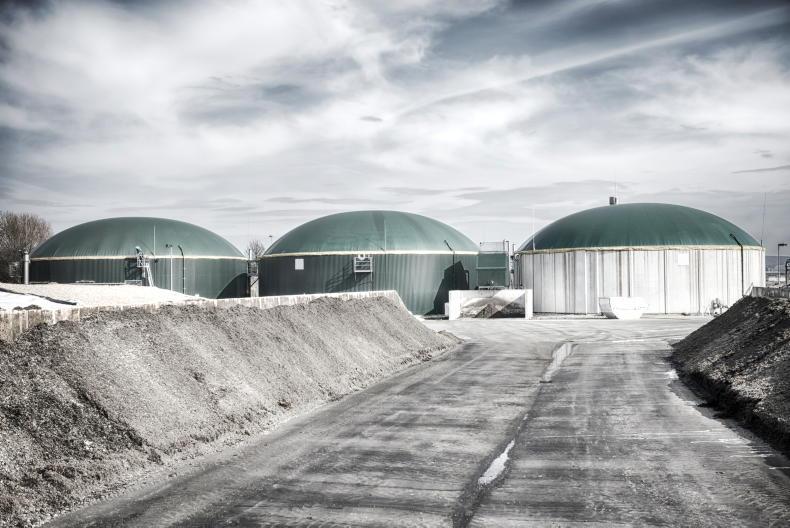
The Government has given the green light for its flagship renewable heat scheme, which is expected to see the development of the anaerobic digestion (AD) sector.
The Government approved the introduction of the Renewable Heat Obligation Scheme (RHO) and granted approval to begin drafting the renewable heat obligation bill 2025.
The bill will provide a legislative basis for the administration of the scheme next year (2026).
What is the RHO?
Set to be in place until 2045, the RHO will obligate suppliers of fossil fuels used for heat to demonstrate that a proportion of the energy they supply is from a renewable source.
It will force large suppliers of fossil fuels to the heat sector, ie the obligated parties, to mix renewable energy into their fuel mix or face fines.
The bill provides details on opening obligation rates of 1.5% in year one and 3% in year two.
While no final target level has been set, the Government says obligation rates are expected to increase ambitiously following a full scheme performance and market review in year three.
The Government says this will support emissions reductions in our heat sector and contribute significantly towards meeting our national climate and energy targets.
As Ireland imports most of its fossil fuels, the heating sector is a significant contributor to Ireland’s high energy import dependency.
Indigenous biomethane sector
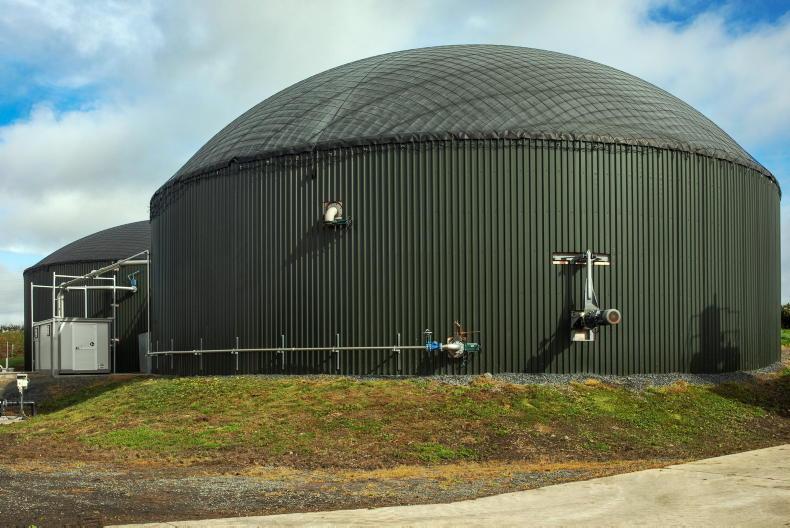
The RHO is expected to be the main market driver for biomethane gas, produced from AD plants.
In its release, the Government also reaffirmed its commitment to supporting the indigenous biomethane sector and has identified it as a key renewable fuel under the scheme.
It said that biomethane production activity will largely occur in rural areas, with the potential to develop a sector of significant scale to benefit the rural economy in Ireland.
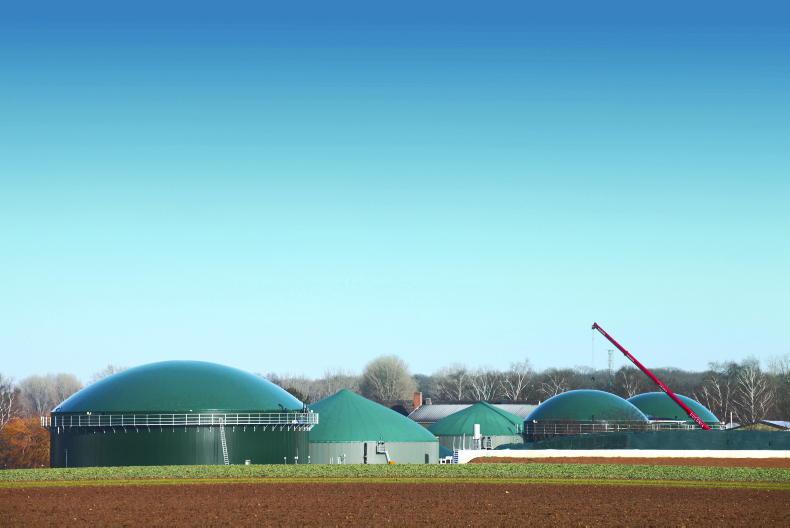
Under the climate action plan, some 140 to 200 AD plants will be needed by 2030, most of which will be supported by this scheme.
Protection of Irish AD
The bill includes a specific measure to provide support to Irish-produced biomethane, encouraging obligated parties to procure supplies from domestic producers.
This is subject to formal notification at EU level and requires justification for its inclusion and has been mooted as one of the recent reasons the scheme has been delayed.
In tandem with the drafting process, the Department of Climate, Energy and the Environment will engage with the European Commission to ensure compliance with EU single market rules.
The RHO heads of bill set out the necessary functions and provisions of the recently appointed scheme administrator – the National Oil Reserves Agency (NORA).
Investment in domestic supply
Commenting on the announcement, Minister for Climate, Energy and the Environment Darragh O'Brien said: “I welcome the support shown for the introduction of the RHO and the input received from key stakeholders as part of the design process across the last number of years.
“Insights shared have provided valuable information – ensuring we provide the required level of support to our newly emerging renewable fuel markets and appropriately manage the resulting impact on end consumers.
“As we begin the drafting process over the course of the next few months, my officials intend to maintain ongoing engagement at EU level – to ensure the scheme is fully aligned with EU trade principles.
“Approval of the general scheme by Government will now aid investment in our domestic renewable fuel industry, leading to indirect job creation, particularly across the rural economy in Ireland, helping to stimulate and sustain rural communities,” he concluded.




SHARING OPTIONS