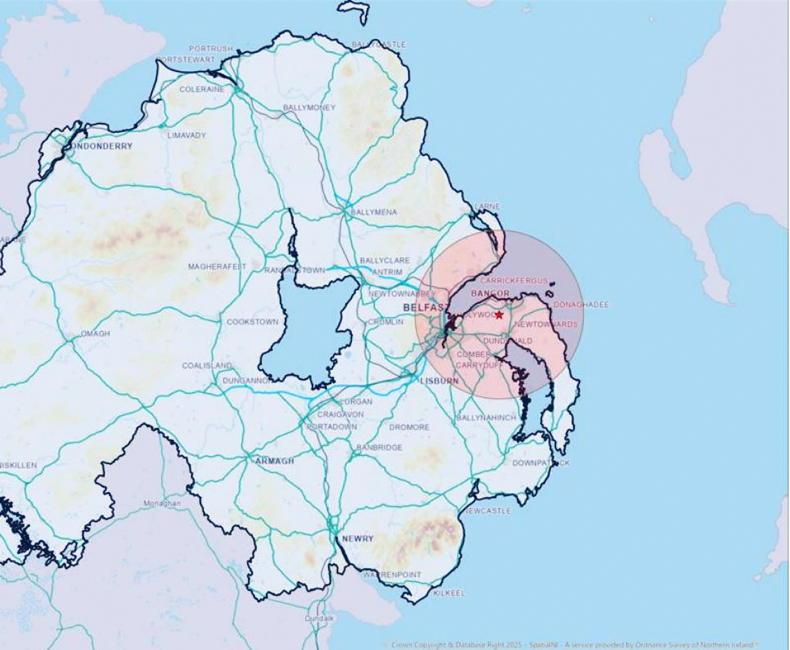
The bluetongue outbreak in Northern Ireland continues to evolve, with some chink of light coming this week with a relaxing of movement restrictions across Northern Ireland.
The news that farmers outside the temporary control zones will be able to move livestock to Britain with no requirements beyond those normally in place has been welcomed by farmers in Northern Ireland.
Movement restrictions had begun to impact the price of livestock, and while they were deemed necessary at the time, the relaxing of rules will offer some hope to Northern Ireland farmers that the disease will be confined to the two farms that it has already been identified on.
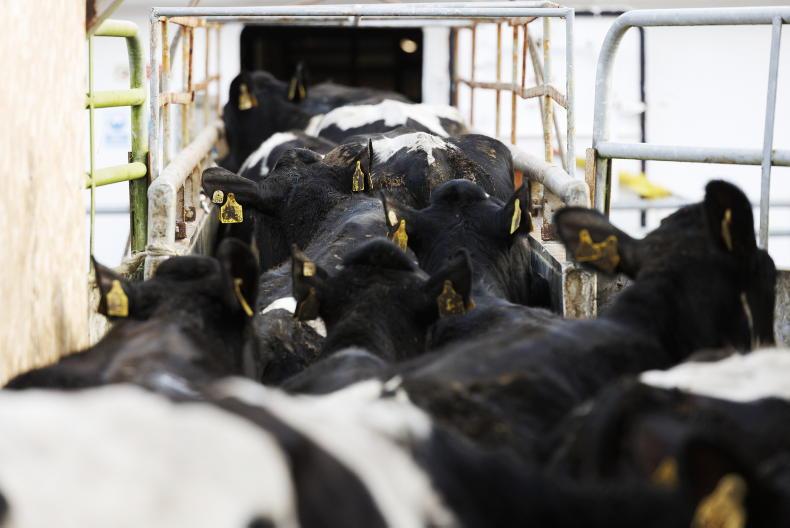
All types of movements to Britain can now take place, including to slaughter, markets and for breeding and production.
Calls this week for a ban on the importation of animals from Northern Ireland to the Republic of Ireland for direct slaughter have been premature.
The fact that bluetongue is on the island of Ireland means that it’s almost inevitable that we will see the disease reach the south of the island in 2026.
If it does, we will be calling on other countries to continue accepting Irish live exports, so we need to be careful now what we wish for.
The outbreak in Northern Ireland gives the Republic of Ireland a chance to get its house in order prior to a possible outbreak in 2026.
Now is the time to set up a cross-sector taskforce with all the relevant stakeholders involved, with a clear plan of what happens should an outbreak occur.
The last thing we want is premature conclusions of what will happen, rumours shaping decision making and panic selling in the face of an outbreak.
We need a clear plan around vaccination rollout, temporary restriction zones, testing and quarantine of cattle for export, with as much detail as possible to ensure farmers understand the plan of action.
This needs to happen without delay.
The bluetongue outbreak in Northern Ireland continues to evolve, with some chink of light coming this week with a relaxing of movement restrictions across Northern Ireland.
The news that farmers outside the temporary control zones will be able to move livestock to Britain with no requirements beyond those normally in place has been welcomed by farmers in Northern Ireland.
Movement restrictions had begun to impact the price of livestock, and while they were deemed necessary at the time, the relaxing of rules will offer some hope to Northern Ireland farmers that the disease will be confined to the two farms that it has already been identified on.
All types of movements to Britain can now take place, including to slaughter, markets and for breeding and production.
Calls this week for a ban on the importation of animals from Northern Ireland to the Republic of Ireland for direct slaughter have been premature.
The fact that bluetongue is on the island of Ireland means that it’s almost inevitable that we will see the disease reach the south of the island in 2026.
If it does, we will be calling on other countries to continue accepting Irish live exports, so we need to be careful now what we wish for.
The outbreak in Northern Ireland gives the Republic of Ireland a chance to get its house in order prior to a possible outbreak in 2026.
Now is the time to set up a cross-sector taskforce with all the relevant stakeholders involved, with a clear plan of what happens should an outbreak occur.
The last thing we want is premature conclusions of what will happen, rumours shaping decision making and panic selling in the face of an outbreak.
We need a clear plan around vaccination rollout, temporary restriction zones, testing and quarantine of cattle for export, with as much detail as possible to ensure farmers understand the plan of action.
This needs to happen without delay.







SHARING OPTIONS