


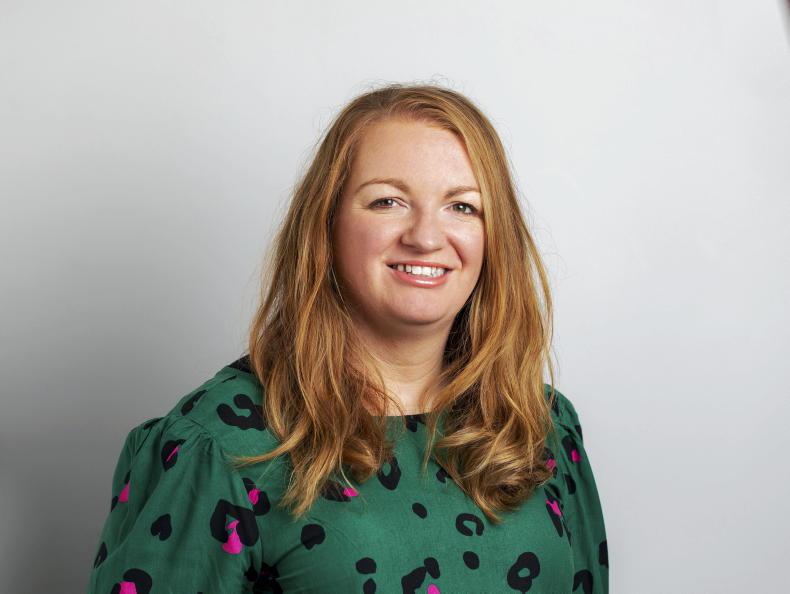
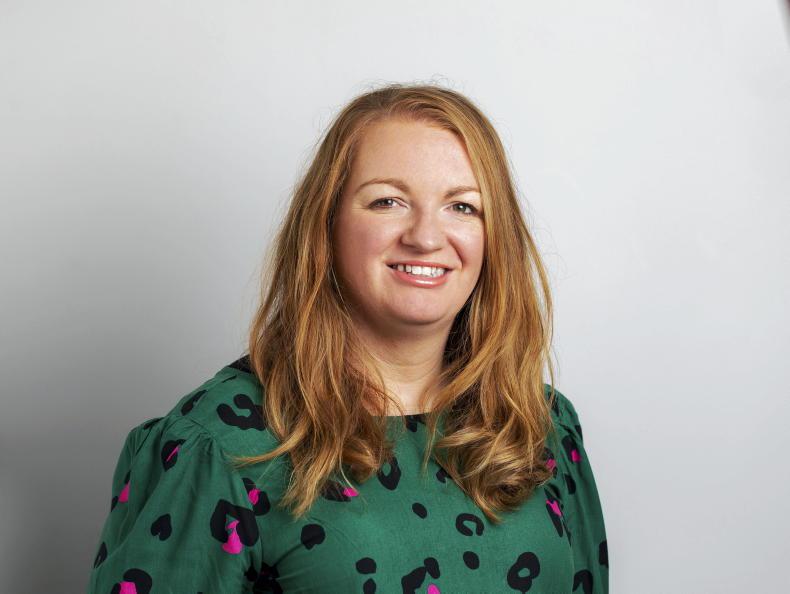
Across the three days of the National Ploughing Championships, there were plenty of lively and informative discussions at the Irish Farmers Journal stand, ranging from farmers’ health to politics and food production. Succession is always a conversation that farmers engage with and so it was a crowded house last week when deputy editor of Irish Farmers Journal, Caitríona Morrissey hosted a panel discussion with solicitor James Staines, IFA deputy president Alice Doyle and FBD financial advisor Gillian Cronin Davitt. Alice spoke about the fact that she has encountered many women in her role, who thought they weren’t entitled to a pension. “But you could be,” she insisted. “If you’ve been caring for children at home, or an elderly parent, you could be entitled to claim your stamps towards your contributory pension. Talking to your accountant is essential, I’ve worked with women who thought they had nothing in the pot for their older years and yet, when they looked into it, they had a right little nest egg.”
Gillian further explained, “When you retire, the state contributory pension is €289.30 a week. To receive the full maximum contributory state pension, you are not means tested. So, it doesn’t matter if you’re a multi-millionaire or you have a small income, if you have made enough PRSI contributions over the years, you’re entitled to have that amount every week when you retire.”
No one wants to pay the tax man more than we have to and there was a lot of nodding heads in the audience last Thursday
The conversation evolved onto the importance of making sure any family member working on the farm is registered as a PAYE worker. The obvious one is a spouse, especially if for example, they have taken a few years off work to stay at home with the children and are not drawing a salary. By setting up a partnership, it means your spouse can easily be put on the books so they can start building their own stamps. It’s always worth chatting to your accountant about this.
Gillian also advised thinking of children who may be working on the farm from a young age. “Put them on the books as soon as they turn 16,” she advised. “Retirement may seem far away at that stage, but you never know what could happen in the future. Early earning and building up the stamps will always benefit them.”
Another point made was that it is never too late to set up a private pension. “I’ve had people set up a private pension at 55 years, even 60,” said Gillian. “Your contribution comes out of the pot of your gross income before it is taxed. Essentially, you make a 20% return straight away, and 40% if you’re on the higher rate of tax. I’m always of the mindset that there’s no point in earning your income, paying Revenue, and then saving your money into a savings account. You just won’t benefit from the return in the same way. A pension is the best long-term tax efficient savings plan you should have in place for your retirement.”
No one wants to pay the tax man more than we have to and there was a lot of nodding heads in the audience last Thursday. And so there was a call out – no matter what age you are, take some time in the coming weeks, to check in on your pension. If you’ve one in place, are you benefitting as best you can from the tax incentives? And if you don’t have one, what simple steps can be put in place to start building your nest egg for the future?


SHARING OPTIONS