The legislation aims to guarantee that the food consumers buy and eat in Europe is safe and wholesome, thereby improving consumers' health and preventing food crises.
The new rules will follow a risk-based approach, thus allowing the authorities in member states to focus their resources on the most relevant areas.
They will also review existing provisions, aiming to eliminate any regulatory overlapping and taking a flexible approach so as to be able to react more promptly to emergency situations, by, for example, establishing swifter procedures for the accreditation of official laboratories.
The agreement negotiated between MEPs and the Dutch Presidency of the Council also provides for:
controls on food, feed, plant health, pesticides, animal welfare, geographical indications, organic farming
unannounced, risk-based controls in all sectors
better enforcement against fraudulent or deceptive practices
import conditions for animals and products imported from third countries The text will be put to a vote in the committee of permanent representatives on 22 June, and by MEPs in the Food Safety Committee in June or September.
Background
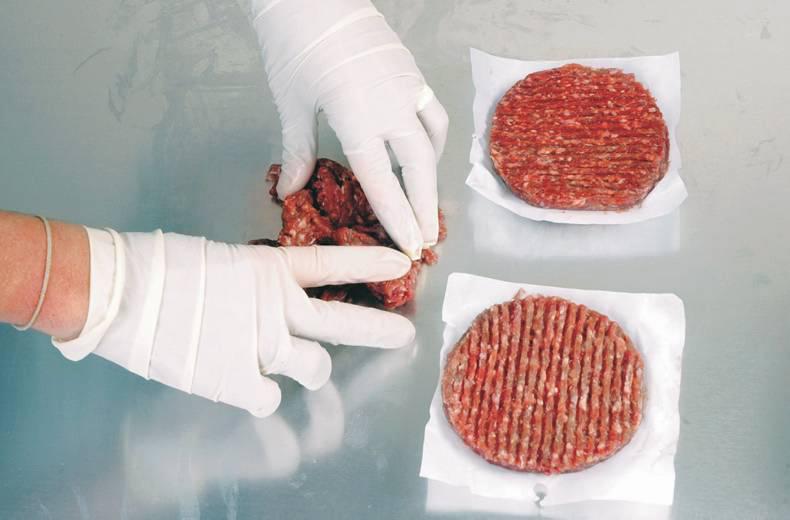
In a statement issued after the agreement, the European Parliament said recent food fraud scandals, such as the horsemeat scandal, "have shown the need for more effective action on the part of enforcement authorities to protect consumers and honest operators alike, from the risks which may arise from breaches of the rules along the food chain".
Commenting, environment committee chairman Giovanni La Via said the legislation will bring clear, common general principles to all sectors of the food chain.
"It was long overdue, as the agri-food chain becomes ever more complex. Parliament’s team, Council and the Commission worked to make controls more efficient, less bureaucratic and cheaper for operators,” he said.
Related stories
Clarity emerges around angel dust case
The legislation aims to guarantee that the food consumers buy and eat in Europe is safe and wholesome, thereby improving consumers' health and preventing food crises.
The new rules will follow a risk-based approach, thus allowing the authorities in member states to focus their resources on the most relevant areas.
They will also review existing provisions, aiming to eliminate any regulatory overlapping and taking a flexible approach so as to be able to react more promptly to emergency situations, by, for example, establishing swifter procedures for the accreditation of official laboratories.
The agreement negotiated between MEPs and the Dutch Presidency of the Council also provides for:
controls on food, feed, plant health, pesticides, animal welfare, geographical indications, organic farming
unannounced, risk-based controls in all sectors
better enforcement against fraudulent or deceptive practices
import conditions for animals and products imported from third countries The text will be put to a vote in the committee of permanent representatives on 22 June, and by MEPs in the Food Safety Committee in June or September.
Background
In a statement issued after the agreement, the European Parliament said recent food fraud scandals, such as the horsemeat scandal, "have shown the need for more effective action on the part of enforcement authorities to protect consumers and honest operators alike, from the risks which may arise from breaches of the rules along the food chain".
Commenting, environment committee chairman Giovanni La Via said the legislation will bring clear, common general principles to all sectors of the food chain.
"It was long overdue, as the agri-food chain becomes ever more complex. Parliament’s team, Council and the Commission worked to make controls more efficient, less bureaucratic and cheaper for operators,” he said.
Related stories
Clarity emerges around angel dust case








SHARING OPTIONS