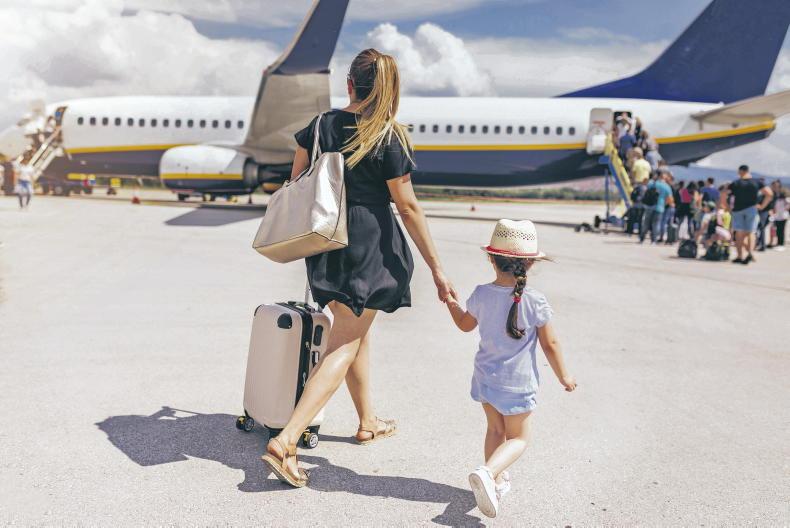
The news that Europe only has six weeks’ supply of jet fuel remaining, due to the war in Iran, has caused some Irish consumers to worry about their summer holiday plans. Is there reason to panic? According to travel and aviation expert, Eoghan Corry, we could be facing at least two to four more months of disruption for long haul flights through the Middle East.
At the time of writing this article, air carriers cannot fly over Iran or use the Middle Eastern airspace; and taking an alternative route (eg via Singapore) is adding one hour and a half to two hours to journeys.
It is also resulting in enormous price increases, with a “€600 flight turning into €1,800, that sort of stuff,” Eoghan explains.
“The different airlines that operate through the Middle East from Ireland (Etihad Airways, Qatar Airways and Emirates) have all reacted a little bit differently or been affected to a different degree. Emirates have been very good to recover. Qatar are really slow to recover, and Etihad are somewhere in between.”
Escalating tensions in the Middle East have also caused the price of jet fuel to rocket. “The price of oil has gone up 50% to 60% since the war started,” Eoghan remarks. “This means that the extra two hours of flying to avoid the Middle Eastern airspace is putting 20% onto the fuel bill of the aircraft that are using it. All the airlines that have to buy jet fuel are facing huge problems because the fuelling of an aircraft is now double the cost of what it was.”

Travel expert Eoghan Corry advises consumers to book their summer holiday now, as prices only expected to rise.
What is interesting, though, is that Ireland is somewhat protected from this because Michael O’Leary of Ryanair bought his fuel (what the industry experts call ‘hedging’) for the entire year at a guaranteed price. Aer Lingus and British Airways have hedged for just over half of their fuel for the year.
Despite the fact that the main air carriers in Ireland have locked in good jet fuel prices, Eoghan says prices will rise regardless because of demand. “I don’t think airlines will keep the low fares if the opposition is charging more. Airlines tend to charge more anyway and try and make the profit when they can.”
Against this backdrop, it looks like there will be a return to traditional holiday destinations like Spain and Portugal.
“Long haulers have to look somewhere else, and they tend to look back to Europe. That will affect the luxury end of the market, because long haulers spend more money. They tend to have a bit more money. They won’t be going to the self-catering apartment in Benidorm. They’ll go to the luxury five stars in Tenerife.”
Meanwhile others may be looking for more unusual places within these countries, like Galicia in northern Spain, to get better value for our money,
“All the prices have floated up, the flights to Europe have floated up though not to the same extent as long haul,” Eoghan continues.
“The trend in recent years has been very big growth in people travelling abroad. I think it was partly a post-pandemic rush back, because the figures to places like Spain and Portugal are nearly 40% more than they were pre-pandemic.
“The two biggest routes out of Ireland for sun are Malaga and Faro. There is loads of capacity, so they’ll be the slowest to get really crammed out with big prices, whereas some of the Greek and Italian routes, will probably rise a bit quicker.”
There has also been a shying away from Turkey because it shares a border with Iran.
Paul Hackett, CEO of Click&Go Holidays, told Irish Country Living: “Turkey is probably the destination most impacted for Irish holidaymakers since the first of March.
“From a southern Europe holiday point of view, Turkey is the only destination where we’re seeing bookings slow down.”
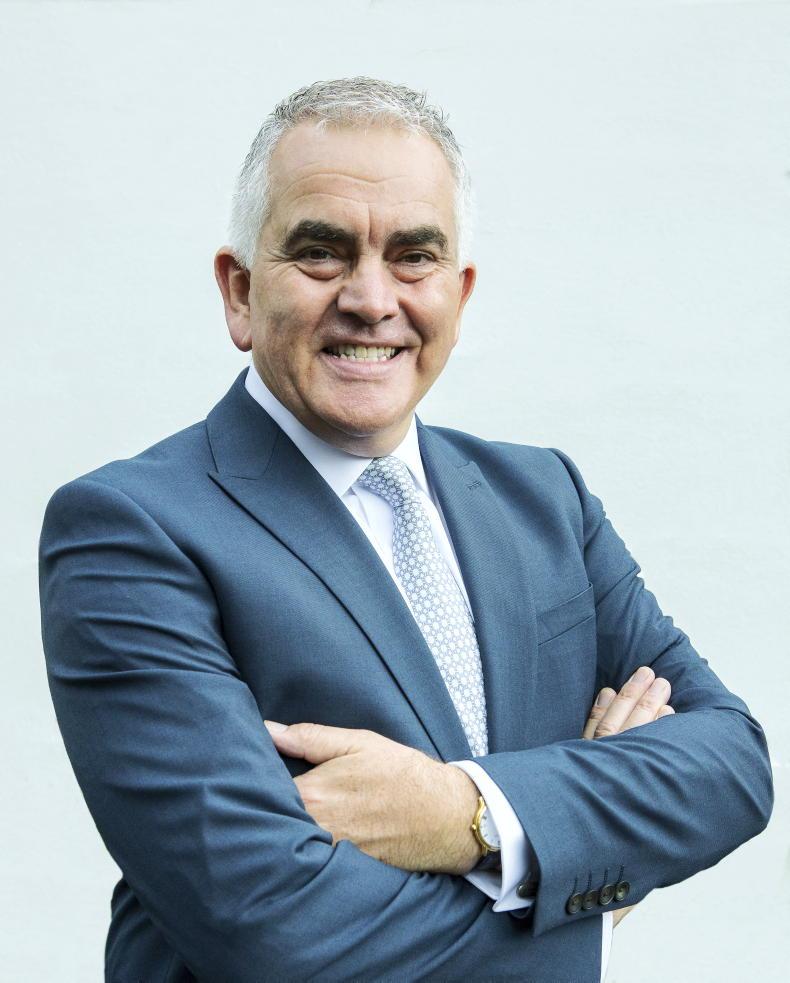
Paul Hackett of Click&Go Holidays.
Travel insurance
The escalating tensions in the Middle East have also had implications on travel insurance. At the moment, most travel insurance does not cover you through Dubai.
Both war and travelling contrary to Government advice are exclusions on many insurance policies.
Some Irish consumers are unaware that “their travel insurance is affected if you transfer through Dubai,” says Eoghan. “You can actually look at prices falling on destinations through Dubai. As a result [with less demand], you can see pretty good prices emerging for people who are going to Australia and Thailand through Dubai. This is because a lot of people, especially families, won’t take the risk.”
If you are unsure if you are covered for your trip, the best advice to is to check with your individual insurance provider.
Staying at home
When there is a fright or shock in the market, consumers step back. But despite overall demand being down, Paul Hackett says that it is unlikely people will stay in Ireland this summer.
“I think what consumers are doing at the moment is sitting tight. I think they know what the weather is going to be like in Ireland. They know the cost of a holiday in Ireland.
“And they know the cost of a holiday in Ireland is only part of it, because then you have the cost of being here, whereas you compare that to the cost of a holiday in Spain or Portugal or Greece, it’s a very different story.”
The window for booking a holiday has also become shorter in recent years. People no longer book their summer holiday in January as they used to. They tend to book them a few months or even weeks in advance of travelling.
A spokesperson from Fáilte Ireland told Irish Country Living that: “it is too early to tell the impact the conflict in the Middle East will have on the domestic tourism market this summer.”

The news that Europe only has six weeks’ supply of jet fuel remaining, due to the war in Iran, has caused some Irish consumers to worry about their summer holiday plans. Is there reason to panic? According to travel and aviation expert, Eoghan Corry, we could be facing at least two to four more months of disruption for long haul flights through the Middle East.
At the time of writing this article, air carriers cannot fly over Iran or use the Middle Eastern airspace; and taking an alternative route (eg via Singapore) is adding one hour and a half to two hours to journeys.
It is also resulting in enormous price increases, with a “€600 flight turning into €1,800, that sort of stuff,” Eoghan explains.
“The different airlines that operate through the Middle East from Ireland (Etihad Airways, Qatar Airways and Emirates) have all reacted a little bit differently or been affected to a different degree. Emirates have been very good to recover. Qatar are really slow to recover, and Etihad are somewhere in between.”
Escalating tensions in the Middle East have also caused the price of jet fuel to rocket. “The price of oil has gone up 50% to 60% since the war started,” Eoghan remarks. “This means that the extra two hours of flying to avoid the Middle Eastern airspace is putting 20% onto the fuel bill of the aircraft that are using it. All the airlines that have to buy jet fuel are facing huge problems because the fuelling of an aircraft is now double the cost of what it was.”

Travel expert Eoghan Corry advises consumers to book their summer holiday now, as prices only expected to rise.
What is interesting, though, is that Ireland is somewhat protected from this because Michael O’Leary of Ryanair bought his fuel (what the industry experts call ‘hedging’) for the entire year at a guaranteed price. Aer Lingus and British Airways have hedged for just over half of their fuel for the year.
Despite the fact that the main air carriers in Ireland have locked in good jet fuel prices, Eoghan says prices will rise regardless because of demand. “I don’t think airlines will keep the low fares if the opposition is charging more. Airlines tend to charge more anyway and try and make the profit when they can.”
Against this backdrop, it looks like there will be a return to traditional holiday destinations like Spain and Portugal.
“Long haulers have to look somewhere else, and they tend to look back to Europe. That will affect the luxury end of the market, because long haulers spend more money. They tend to have a bit more money. They won’t be going to the self-catering apartment in Benidorm. They’ll go to the luxury five stars in Tenerife.”
Meanwhile others may be looking for more unusual places within these countries, like Galicia in northern Spain, to get better value for our money,
“All the prices have floated up, the flights to Europe have floated up though not to the same extent as long haul,” Eoghan continues.
“The trend in recent years has been very big growth in people travelling abroad. I think it was partly a post-pandemic rush back, because the figures to places like Spain and Portugal are nearly 40% more than they were pre-pandemic.
“The two biggest routes out of Ireland for sun are Malaga and Faro. There is loads of capacity, so they’ll be the slowest to get really crammed out with big prices, whereas some of the Greek and Italian routes, will probably rise a bit quicker.”
There has also been a shying away from Turkey because it shares a border with Iran.
Paul Hackett, CEO of Click&Go Holidays, told Irish Country Living: “Turkey is probably the destination most impacted for Irish holidaymakers since the first of March.
“From a southern Europe holiday point of view, Turkey is the only destination where we’re seeing bookings slow down.”

Paul Hackett of Click&Go Holidays.
Travel insurance
The escalating tensions in the Middle East have also had implications on travel insurance. At the moment, most travel insurance does not cover you through Dubai.
Both war and travelling contrary to Government advice are exclusions on many insurance policies.
Some Irish consumers are unaware that “their travel insurance is affected if you transfer through Dubai,” says Eoghan. “You can actually look at prices falling on destinations through Dubai. As a result [with less demand], you can see pretty good prices emerging for people who are going to Australia and Thailand through Dubai. This is because a lot of people, especially families, won’t take the risk.”
If you are unsure if you are covered for your trip, the best advice to is to check with your individual insurance provider.
Staying at home
When there is a fright or shock in the market, consumers step back. But despite overall demand being down, Paul Hackett says that it is unlikely people will stay in Ireland this summer.
“I think what consumers are doing at the moment is sitting tight. I think they know what the weather is going to be like in Ireland. They know the cost of a holiday in Ireland.
“And they know the cost of a holiday in Ireland is only part of it, because then you have the cost of being here, whereas you compare that to the cost of a holiday in Spain or Portugal or Greece, it’s a very different story.”
The window for booking a holiday has also become shorter in recent years. People no longer book their summer holiday in January as they used to. They tend to book them a few months or even weeks in advance of travelling.
A spokesperson from Fáilte Ireland told Irish Country Living that: “it is too early to tell the impact the conflict in the Middle East will have on the domestic tourism market this summer.”
SHARING OPTIONS