Getting your affairs in order is a task most of us know we should prioritise but for some there’s little appetite to take the first steps to set the administrative ball rolling.
When it comes to succession, the thoughts of all the paperwork involved in transferring land and assets is often enough to dampen any enthusiasm for the task, but one woman who took on the challenge and now has all her affairs in order, is Galway IFA chair Anne Mitchell.
Losing her husband John Joe in 2012 prompted Anne to handle probate (the right to deal with a deceased person’s affairs) herself.
“At the time there was no probate officer in Galway so I had to contact the Probate Office in Dublin, where I requested the Inland Revenue Affidavit form which was a large document, 39 pages, and sought very detailed information,” explains Anne.
DIY approach
“I was only able to do this because John Joe had made a will in which everything was left to me so it was a very straightforward process. He would have died thinking he didn’t owe a penny to anyone but his funeral expenses are considered a debt, so the form came back to me a couple of times for different small issues.
“I was frustrated at that stage so I rang the office and asked if I could come up and meet someone, which they agreed to and they were most helpful on the day.”
Anne appreciates that the do-it-yourself approach may not be an option for everyone. However, she said there is no reason why people whose paperwork is in order and it’s a straightforward inheritance, can’t do the administrative work themselves.
“When a person applies to do this themselves, the probate office looks at the will and if there is a complication they may write back and advise the person to get a solicitor,” she explains.
“The fee I paid that day was €964, whereas solicitors had quoted me 2% of the value of the estate which would have been about €16,000 at the time. Everything was going into my name; the stock, the cattle the house, and the contents. I had to get an auctioneer to value the land and the house so that was another cost.

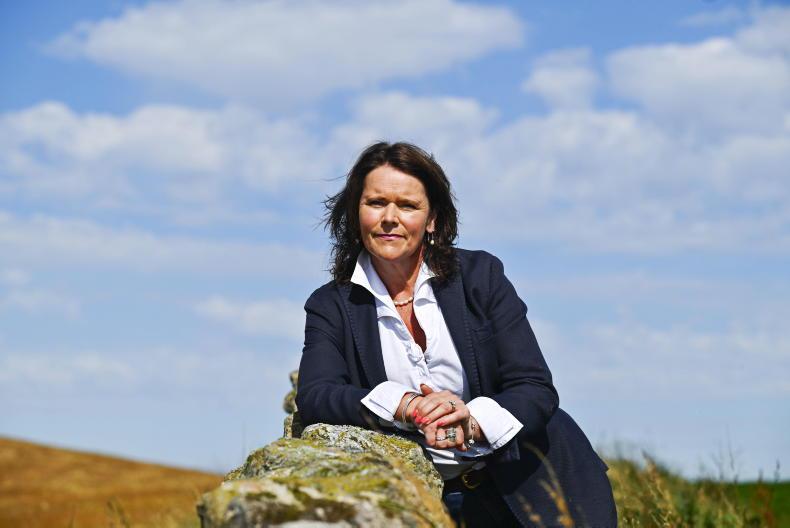
Anne Mitchell (Galway IFA chairperson).
Right of residence
“I also had to go to a Commissioner of Oaths (a legally appointed person who is authorised to witness and verify the swearing of affidavits and other legal documents) and swear on the bible that everything I was doing was right and above board and I wasn’t being coerced into it.
“I went back up to the Probate Office with all my documentation and from there I was able to go around to the Four Courts, pay my money there, get a receipt and come back to the Probate office and get everything stamped.”
Anne’s background as a civil servant proved beneficial in navigating the process but she says anyone can do it with a bit of patience and perseverance.
“I didn’t ever deal with any situation where someone told me they’d taken out probate themselves but I dealt with the surviving members who were trying to get their affairs in order,” she explains.
“Once I had probate sorted, I could make a succession plan which was what I did in that I transferred a site to my daughter and the farm to my son.
“I had to go to the Land Registry to get John Joe’s name off the deeds (the legal term is cancellation of a burden) and to get it in my name as sole owner, which had to be done again when my son took over the farm. I took the house and the garden out of it into a separate folio to remain in my name at that stage to protect my residency here.
“Again, I was lucky that I had a successor and my son had the Green Cert and wanted to get the 90% agricultural benefit, so I had to keep the farm five years in my name before I handed it over.
“I had to go through the procedure again. I came into contact with a lovely lady in Revenue who was ever so helpful. I paid my 10% stamp duty on everything and I’m happy in the knowledge that everything is done for my children now.”
Anne has one more step to take to sign her house over to her son, but is very confident that this can be achieved without any fuss or complication.
“I want to read up on what’s involved in handing the house over but I need to find out about the right of residence in terms of the implications for Fair Deal, if I need nursing home care in the future.
But I will get ingress and egress (a legal right to enter and exit a property) to allow me to go in and out of the house once it has been transferred into my son’s name.
“This is entirely doable for farm families, it’s a confidence thing. People look at forms and get put off. I tell them to sit down and take it one page at a time and to ask for help if they need it.
“I would encourage anyone not to be daunted by the process. But if you do want to go down the legal route you need to look for a solicitor with a strength in succession.
“If you don’t yet have a will, get one in place because that will make all the difference regardless of how you deal with your affairs,” she concludes.
Getting your affairs in order is a task most of us know we should prioritise but for some there’s little appetite to take the first steps to set the administrative ball rolling.
When it comes to succession, the thoughts of all the paperwork involved in transferring land and assets is often enough to dampen any enthusiasm for the task, but one woman who took on the challenge and now has all her affairs in order, is Galway IFA chair Anne Mitchell.
Losing her husband John Joe in 2012 prompted Anne to handle probate (the right to deal with a deceased person’s affairs) herself.
“At the time there was no probate officer in Galway so I had to contact the Probate Office in Dublin, where I requested the Inland Revenue Affidavit form which was a large document, 39 pages, and sought very detailed information,” explains Anne.
DIY approach
“I was only able to do this because John Joe had made a will in which everything was left to me so it was a very straightforward process. He would have died thinking he didn’t owe a penny to anyone but his funeral expenses are considered a debt, so the form came back to me a couple of times for different small issues.
“I was frustrated at that stage so I rang the office and asked if I could come up and meet someone, which they agreed to and they were most helpful on the day.”
Anne appreciates that the do-it-yourself approach may not be an option for everyone. However, she said there is no reason why people whose paperwork is in order and it’s a straightforward inheritance, can’t do the administrative work themselves.
“When a person applies to do this themselves, the probate office looks at the will and if there is a complication they may write back and advise the person to get a solicitor,” she explains.
“The fee I paid that day was €964, whereas solicitors had quoted me 2% of the value of the estate which would have been about €16,000 at the time. Everything was going into my name; the stock, the cattle the house, and the contents. I had to get an auctioneer to value the land and the house so that was another cost.
Anne Mitchell (Galway IFA chairperson).
Right of residence
“I also had to go to a Commissioner of Oaths (a legally appointed person who is authorised to witness and verify the swearing of affidavits and other legal documents) and swear on the bible that everything I was doing was right and above board and I wasn’t being coerced into it.
“I went back up to the Probate Office with all my documentation and from there I was able to go around to the Four Courts, pay my money there, get a receipt and come back to the Probate office and get everything stamped.”
Anne’s background as a civil servant proved beneficial in navigating the process but she says anyone can do it with a bit of patience and perseverance.
“I didn’t ever deal with any situation where someone told me they’d taken out probate themselves but I dealt with the surviving members who were trying to get their affairs in order,” she explains.
“Once I had probate sorted, I could make a succession plan which was what I did in that I transferred a site to my daughter and the farm to my son.
“I had to go to the Land Registry to get John Joe’s name off the deeds (the legal term is cancellation of a burden) and to get it in my name as sole owner, which had to be done again when my son took over the farm. I took the house and the garden out of it into a separate folio to remain in my name at that stage to protect my residency here.
“Again, I was lucky that I had a successor and my son had the Green Cert and wanted to get the 90% agricultural benefit, so I had to keep the farm five years in my name before I handed it over.
“I had to go through the procedure again. I came into contact with a lovely lady in Revenue who was ever so helpful. I paid my 10% stamp duty on everything and I’m happy in the knowledge that everything is done for my children now.”
Anne has one more step to take to sign her house over to her son, but is very confident that this can be achieved without any fuss or complication.
“I want to read up on what’s involved in handing the house over but I need to find out about the right of residence in terms of the implications for Fair Deal, if I need nursing home care in the future.
But I will get ingress and egress (a legal right to enter and exit a property) to allow me to go in and out of the house once it has been transferred into my son’s name.
“This is entirely doable for farm families, it’s a confidence thing. People look at forms and get put off. I tell them to sit down and take it one page at a time and to ask for help if they need it.
“I would encourage anyone not to be daunted by the process. But if you do want to go down the legal route you need to look for a solicitor with a strength in succession.
“If you don’t yet have a will, get one in place because that will make all the difference regardless of how you deal with your affairs,” she concludes.








SHARING OPTIONS