


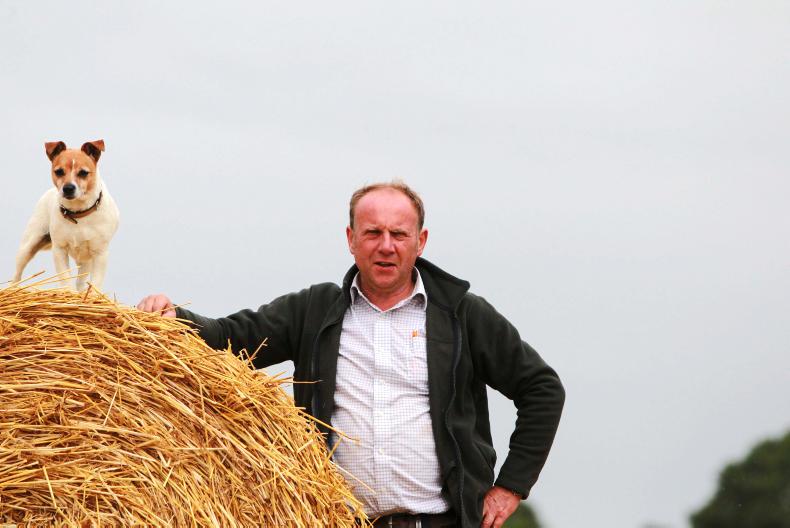
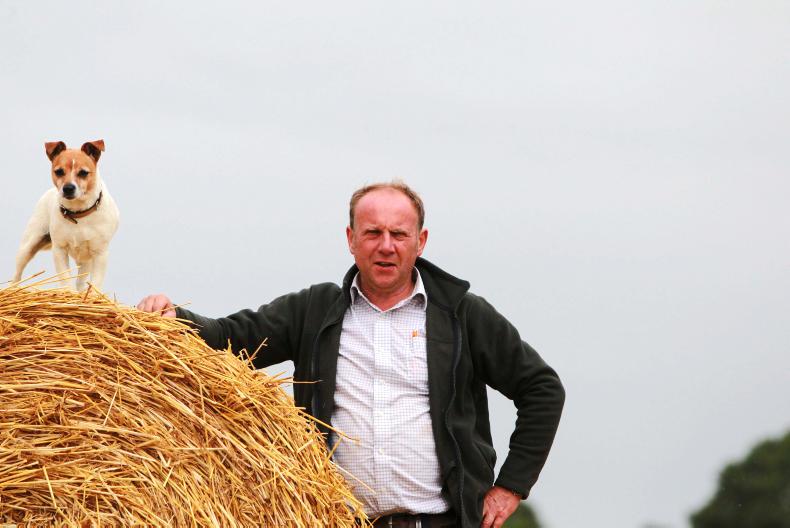
As I write, the drier is humming away in the background and Holly’s outside my window feeling very intimidated with five buzzards circling overhead. It’s not easy to intimidate a Jack Russell.
She’s probably right to feel uneasy as she could easily be mistaken for an albino rabbit from 100ft up. Equally, I’d say there’s little difference in the taste of terrier to that of rabbit to a hungry buzzard.
Buzzard numbers have increased hugely in recent years which, by and large, I welcome. The crows and pigeons are much less of a problem as a result, and those awful grey squirrels in the forest have thankfully become an endangered species.
Though the equally ruthless pine marten may take some of the credit for squirrel control.
But the buzzard increase may be a mixed blessing. Young pheasants and other young birds may well be suffering as a result, but it’s hard to dislike these lords of the sky.
It’s been a lousy drawn-out end to a harvest which began so early. Yes, I’m grateful for a very good harvest yield-wise, but the weather has been very disagreeable and prices are under severe pressure because, quite simply, it’s been a huge harvest worldwide.
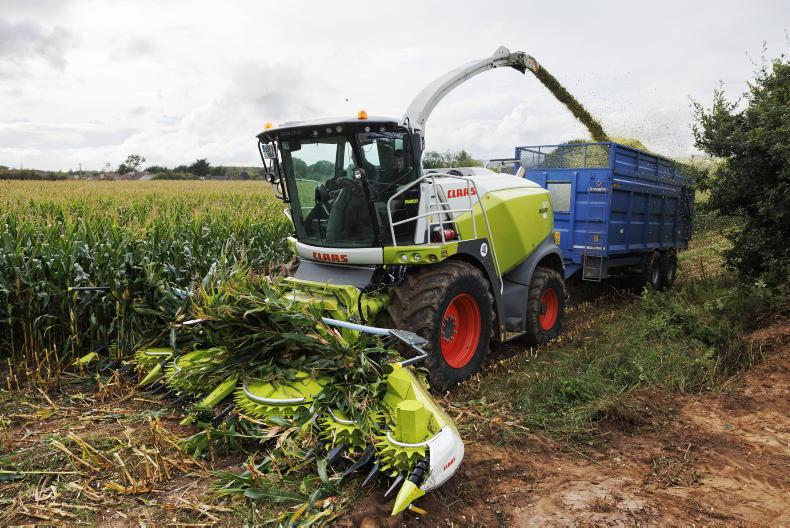
However, the national fleet of combines is in good shape which means a lot can be done at short notice, in between the wretched showers. With two or three men and their machines, acres can be swiped very quickly.
But straw has been difficult to save and neither does it dry as quickly as a standing crop. It’s been slow to get fields cleared for drilling oilseed rape and cover crops. Speaking of which, I think the GLAS-approved cover crop mixtures cost too much for the benefit derived.
However, it hasn’t always been a simple matter of scrambling up on the combine in between the showers. Spare a thought for pioneer farmer George Drumheller. George farmed extensively in the Palouse Hills of Washington State in the US in 1910. The Palouse Hills are steep but were some of the best wheat lands in America. They still are, with yields of twice the US national average.
At that time, unlike today, wheat was hugely profitable and again, unlike today, the bigger the farm the richer you became. George Drumheller reputedly sold the wheat from his 1910 harvest for $125,000, which in today’s terms would be multi-millions of euro.
But George and his men had to work hard for his reward. He ran five ground-driven combine harvesters (yes, proper combines, as opposed to reapers and binders) with 25ft headers. Tractors were not sufficiently developed or capable of pulling these huge harvesting rigs on the hills so it was down to horses or mules.
Horses
Each combine was pulled by a team of 33 horses, all led by two highly intelligent (and very valuable) lead horses up front. One man – known as a mule skinner – drove this huge team and there were a further five men working on each combine.
Naturally, there were support teams for hauling the wheat sacks and food for the men and feed and water for the horses.
And so the reason why I tell you this simple story. Imagine trying to marshal this team of 200 horses and perhaps 70 men together to snatch a few acres of wheat between the showers?
Difficult as it may be at Crooked Wood in the Westmeath hills or in the Wicklow hills to snatch a few acres with a couple of men, it was an awful lot worse for George Drumheller.
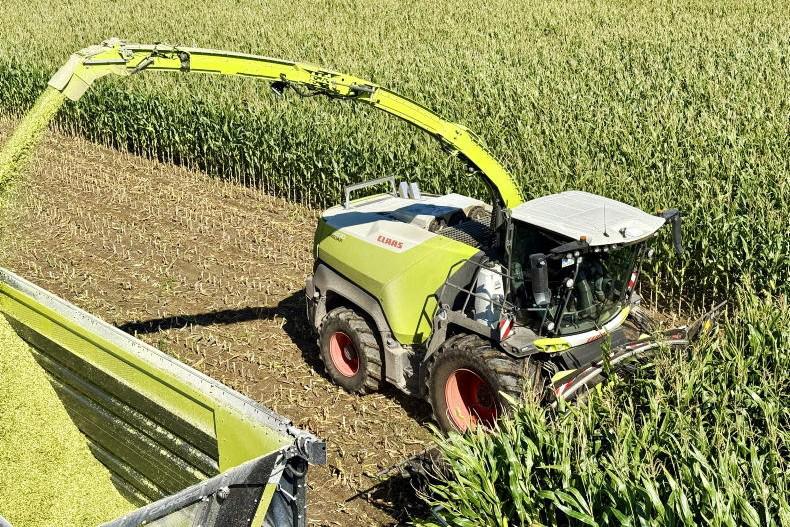
But just think what would he have given for a 30ft Claas Montana?


SHARING OPTIONS