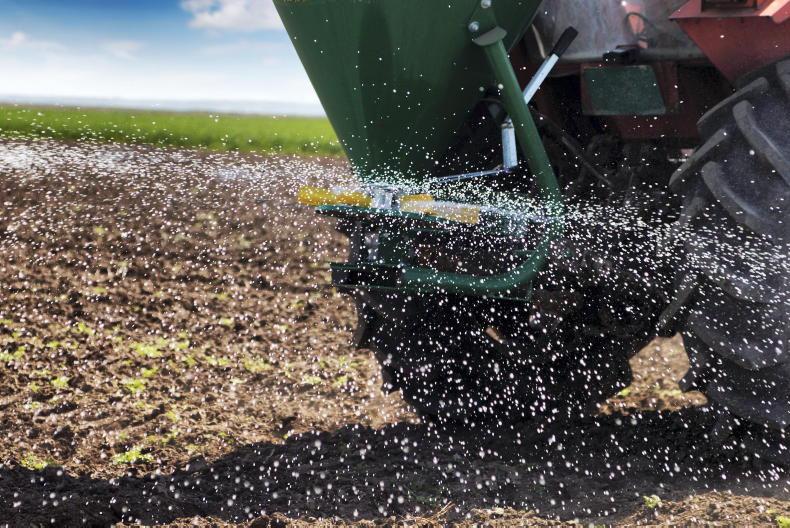
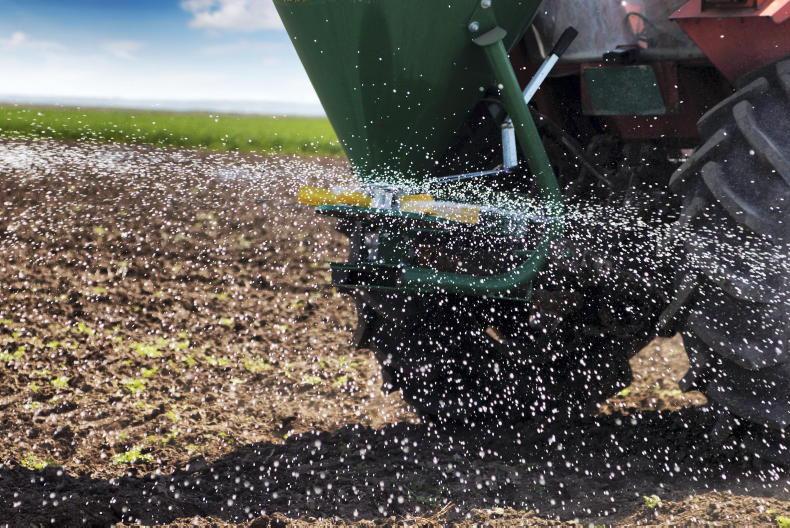
As global fertiliser prices continue their downward spiral, farmers are still facing higher prices from merchants and co-ops as old stock bought at higher prices washes through the system.
Anne Finnegan looks at the difference between the cost of raw materials and selling price to farmers for 2022. Clearly, the margins in the supply chain grew considerably last season.
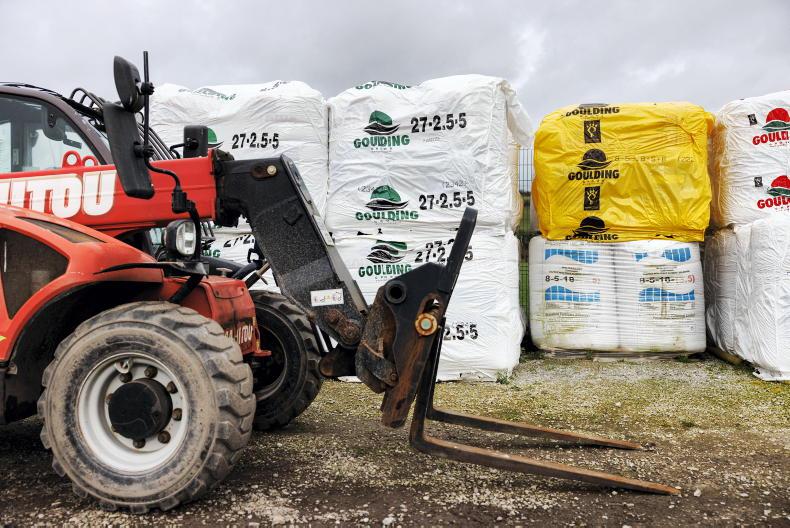
Her analysis, based on Central Statistics Office (CSO) data looks at the volume and price of fertiliser imports into the country between October 2021 and September 2022, which represents the import season. When compared to previous years, there appear to be significantly higher margins returned from these stocks when sold on to farmers.
We should not forget fertiliser importers and merchants were trading in a very volatile market situation last year, which posed significant logistical and financial challenges. At that time, costs including packaging, palletisation and freight had risen substantially. However, all have since normalised.
In the first half of the year, securing raw material was also a challenge. So, it is understandable that a risk premium would have been a feature last year to cover the uncertainty in costs and availability.
Margin growth
However, the extent of the margin growth that this analysis identifies is phenomenal. We’ve seen super profits in international fertiliser producers and energy companies while consumers struggle with affordability.
The analysis indicates that while fertiliser was bought at a range of prices over the 12-month period, the volumes bought at lower prices were priced up to higher global market prices. Farmers will hope to see the same practice as prices fall, with the supply chain releasing some of the risk margin to lower fertiliser prices at farm level.
Farmers badly need more transparency in fertiliser stocks in the market, in real time, as they make significant investment decisions. Not alone is clarity needed on stocks, but price indicators are also needed. We have visibility on milk and beef prices, but surely the Department should have real-time data on a significant cost input such as fertiliser to detail volumes and price indicators.
Grain farmers seem to be walking or forced away from tillage land, as demand for land increases. More profitable options seem to be soaking up any available leased land opportunities. Will the minister be surprised?
He shouldn’t be. It was inevitable given the message from tillage farmers at our CAP information meeting in Carlow. They were clear they would be unable to compete for rented land in 2023 given CAP reform changes.
The minister has repeatedly said he wants to see the tillage sector grow. He has invested in tillage schemes. However, instead, solar farms producing energy instead of food will be developed.
In addition, dairy farms getting map acres to dilute organic nitrogen to stay under new thresholds will win out. This will have little if any effect on improving nitrates levels in rivers and will make the dairy enterprise less competitive. That’s what you call a lose-lose situation.
Dribble bar grant aid row
The science seems inconclusive at best when Irish and International research is reviewed comparing dribble bars and trailing shoes.
The potential exclusion from grant aid seems to fly in the face of getting more and more farmers to tool up to use on farm nutrients better.
At the very least surely some sensible lead in time to exclude grant aid for dribble bars is possible?
As global fertiliser prices continue their downward spiral, farmers are still facing higher prices from merchants and co-ops as old stock bought at higher prices washes through the system.
Anne Finnegan looks at the difference between the cost of raw materials and selling price to farmers for 2022. Clearly, the margins in the supply chain grew considerably last season.
Her analysis, based on Central Statistics Office (CSO) data looks at the volume and price of fertiliser imports into the country between October 2021 and September 2022, which represents the import season. When compared to previous years, there appear to be significantly higher margins returned from these stocks when sold on to farmers.
We should not forget fertiliser importers and merchants were trading in a very volatile market situation last year, which posed significant logistical and financial challenges. At that time, costs including packaging, palletisation and freight had risen substantially. However, all have since normalised.
In the first half of the year, securing raw material was also a challenge. So, it is understandable that a risk premium would have been a feature last year to cover the uncertainty in costs and availability.
Margin growth
However, the extent of the margin growth that this analysis identifies is phenomenal. We’ve seen super profits in international fertiliser producers and energy companies while consumers struggle with affordability.
The analysis indicates that while fertiliser was bought at a range of prices over the 12-month period, the volumes bought at lower prices were priced up to higher global market prices. Farmers will hope to see the same practice as prices fall, with the supply chain releasing some of the risk margin to lower fertiliser prices at farm level.
Farmers badly need more transparency in fertiliser stocks in the market, in real time, as they make significant investment decisions. Not alone is clarity needed on stocks, but price indicators are also needed. We have visibility on milk and beef prices, but surely the Department should have real-time data on a significant cost input such as fertiliser to detail volumes and price indicators.
Grain farmers seem to be walking or forced away from tillage land, as demand for land increases. More profitable options seem to be soaking up any available leased land opportunities. Will the minister be surprised?
He shouldn’t be. It was inevitable given the message from tillage farmers at our CAP information meeting in Carlow. They were clear they would be unable to compete for rented land in 2023 given CAP reform changes.
The minister has repeatedly said he wants to see the tillage sector grow. He has invested in tillage schemes. However, instead, solar farms producing energy instead of food will be developed.
In addition, dairy farms getting map acres to dilute organic nitrogen to stay under new thresholds will win out. This will have little if any effect on improving nitrates levels in rivers and will make the dairy enterprise less competitive. That’s what you call a lose-lose situation.
Dribble bar grant aid row
The science seems inconclusive at best when Irish and International research is reviewed comparing dribble bars and trailing shoes.
The potential exclusion from grant aid seems to fly in the face of getting more and more farmers to tool up to use on farm nutrients better.
At the very least surely some sensible lead in time to exclude grant aid for dribble bars is possible?







SHARING OPTIONS