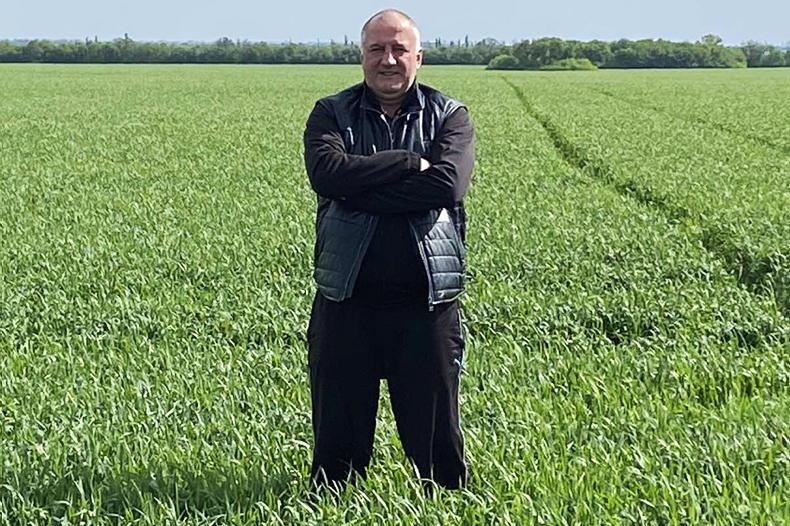
Anatoly Petrenko is considered the owner of a medium-sized farm by Ukrainian standards. He cultivates approximately 2,800ha in the south of the Kropyvnytskyi region. This region is located close to the south of Ukraine, where fierce fighting is currently ongoing.
Ukraine has three main climatic zones from north to south. This is a forest zone, a forest-steppe zone and a steppe (a dry, grassy plain). Farmers who work in the steppe have the hardest time. There is very little rain here and while the black soil is very fertile, without moisture, it is of little use.
That is why I have always admired the skill of the farmers of the steppe zone, and in particular the way Anatoly Petrenko works. In addition to winter wheat and barley and sunflowers, Anatoly knows how to grow winter rapeseed and corn under difficult conditions.
In good years, the profit of a Ukrainian farmer in a zone provided with moisture can reach €1,000 per hectare. The situation is different in the steppe. You must learn to work miracles, if only to return the money invested in the land. Anatoly is such a farmer, and over many years of work, has managed to build a strong farm with the purchase of modern agricultural machinery from well-known global manufacturers.
Frontline farming
Now, imagine that everything that you have created, with such a huge effort can be destroyed in a short time. All your work may go to waste, and your relatives and neighbours may risk death due to an invasion by Russian forces. Therefore, it is not surprising that from the first days of the war, Anatoly - together with his friends - began to organize the defense of his native land.
“What did we do in the first days of the war? We took out guns from safes, built fortifications, dug dugouts and prepared to meet the enemy. At the beginning, it was only 40-50 kilometers from us to the combat zone. Yes, it was a little scary, but we all united - farmers, policemen, firefighters, hunters and just brave people,” says Anatoly.
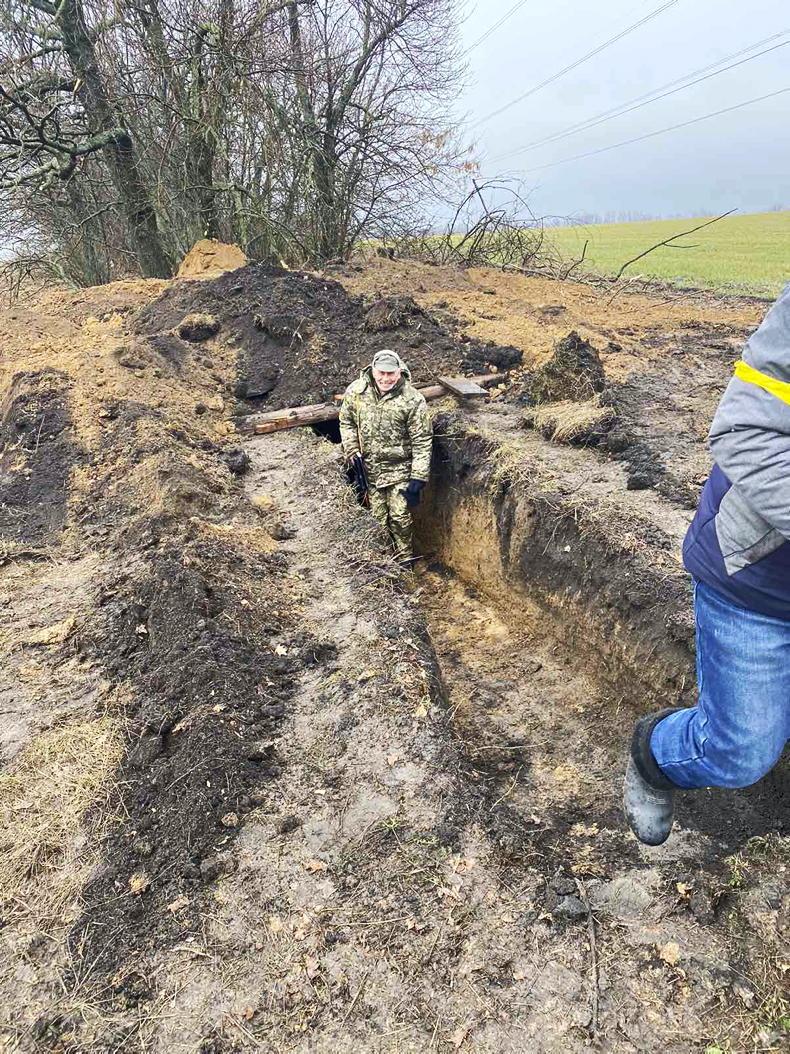
In the early days of the war, Anatoly and other members of the community took out guns from safes, built fortifications and dug dugouts.
“I want to say that at that time people, including farmers, created voluntary associations for the defense of the country in all regions of Ukraine. We formed squads to find saboteurs, built road fortifications, and collected glass bottles to turn into anti-tank incendiary grenades.
“Thank God, our army pushed back the occupiers to the south in a few days and we started the acquisition and production to support our armed forces. Our workers welded metal anti-tank structures, we cooked canned meat, made cereals and flour, and also made many other products. We send all this free of charge to the soldiers, as well as to the people who suffered the most from the war.”
Supporting the army
It should be said that with the beginning of the full-scale war, the Ukrainian army felt the lack of many means, and in particular, transport and engineering equipment. Therefore, Anatoly- like thousands of Ukrainian farmers- gave part of his trucks to the front for free. In addition, he actively helps repair damaged equipment, and buys pick-up trucks and SUVs for the military.
“Yes, we don’t have a lot of money now because of low grain prices,” acknowledges Anatoly.
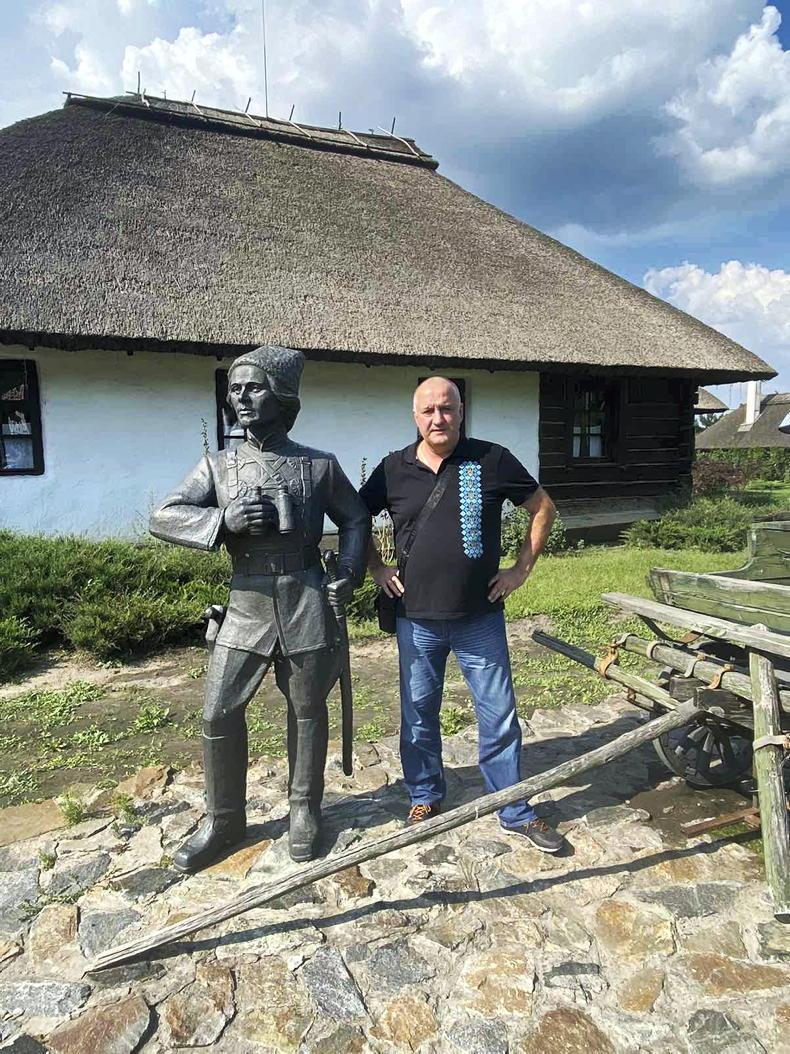
In addition to winter wheat and barley and sunflowers, Anatoly Petrenko knows how to grow winter rapeseed and corn under difficult conditions.
“But we never refuse the military. If you need to buy batteries, we buy them. It is necessary to find money for bulletproof vests and military uniforms - we give money. Every day we receive requests from volunteers looking for equipment for the army, and we always help.”
The fact is that during a full-scale war, Ukraine was faced with the need to provide more than a million soldiers with all the necessary resources. This is an unprecedented task for modern Europe, and the country’s farmers are helping to fulfill it.
Low prices
Unfortunately, they have very little money as the export of grain from Ukraine is hampered by Russian warships in the Black Sea and occupation of part of their seaports. As a result, the price of grain in Ukraine is very low and farmers are often forced to sell it at a loss.
“Today, the farmer who previously built his own granary has a better chance of survival,” Anatoly explains.
“This allows you to save money on transportation, drying and storage of grain. And the main thing is that you can save the grain until the moment when it becomes more expensive.”
The farmer says that winter rape provided the highest economic efficiency in 2022. The harvest of this agricultural crop has the highest demand and a good price.
“Thanks to winter rape, we were able to earn money, which we lived on until the new year. And we have already sold wheat for a more or less normal price. That’s why I have the funds to work quietly in the spring,” he says.
Anatoly is glad that a few years before the war, he built a granary and other important infrastructure. In addition, he always pays taxes in full and cooperates honestly with his partners and employees. Thanks to this, people trust him, which allows him to work better in such difficult times.
“Despite the war and difficult economic situation, we will grow bread. I will do everything so that our people have food and wages. We will help the army and refugees. I believe in Ukraine and I believe in civilization,” concludes Anatoly.
Read more
Ukrainian farmer: 'Starting life in a new place, but hoping to return home'
Anatoly Petrenko is considered the owner of a medium-sized farm by Ukrainian standards. He cultivates approximately 2,800ha in the south of the Kropyvnytskyi region. This region is located close to the south of Ukraine, where fierce fighting is currently ongoing.
Ukraine has three main climatic zones from north to south. This is a forest zone, a forest-steppe zone and a steppe (a dry, grassy plain). Farmers who work in the steppe have the hardest time. There is very little rain here and while the black soil is very fertile, without moisture, it is of little use.
That is why I have always admired the skill of the farmers of the steppe zone, and in particular the way Anatoly Petrenko works. In addition to winter wheat and barley and sunflowers, Anatoly knows how to grow winter rapeseed and corn under difficult conditions.
In good years, the profit of a Ukrainian farmer in a zone provided with moisture can reach €1,000 per hectare. The situation is different in the steppe. You must learn to work miracles, if only to return the money invested in the land. Anatoly is such a farmer, and over many years of work, has managed to build a strong farm with the purchase of modern agricultural machinery from well-known global manufacturers.
Frontline farming
Now, imagine that everything that you have created, with such a huge effort can be destroyed in a short time. All your work may go to waste, and your relatives and neighbours may risk death due to an invasion by Russian forces. Therefore, it is not surprising that from the first days of the war, Anatoly - together with his friends - began to organize the defense of his native land.
“What did we do in the first days of the war? We took out guns from safes, built fortifications, dug dugouts and prepared to meet the enemy. At the beginning, it was only 40-50 kilometers from us to the combat zone. Yes, it was a little scary, but we all united - farmers, policemen, firefighters, hunters and just brave people,” says Anatoly.
In the early days of the war, Anatoly and other members of the community took out guns from safes, built fortifications and dug dugouts.
“I want to say that at that time people, including farmers, created voluntary associations for the defense of the country in all regions of Ukraine. We formed squads to find saboteurs, built road fortifications, and collected glass bottles to turn into anti-tank incendiary grenades.
“Thank God, our army pushed back the occupiers to the south in a few days and we started the acquisition and production to support our armed forces. Our workers welded metal anti-tank structures, we cooked canned meat, made cereals and flour, and also made many other products. We send all this free of charge to the soldiers, as well as to the people who suffered the most from the war.”
Supporting the army
It should be said that with the beginning of the full-scale war, the Ukrainian army felt the lack of many means, and in particular, transport and engineering equipment. Therefore, Anatoly- like thousands of Ukrainian farmers- gave part of his trucks to the front for free. In addition, he actively helps repair damaged equipment, and buys pick-up trucks and SUVs for the military.
“Yes, we don’t have a lot of money now because of low grain prices,” acknowledges Anatoly.
In addition to winter wheat and barley and sunflowers, Anatoly Petrenko knows how to grow winter rapeseed and corn under difficult conditions.
“But we never refuse the military. If you need to buy batteries, we buy them. It is necessary to find money for bulletproof vests and military uniforms - we give money. Every day we receive requests from volunteers looking for equipment for the army, and we always help.”
The fact is that during a full-scale war, Ukraine was faced with the need to provide more than a million soldiers with all the necessary resources. This is an unprecedented task for modern Europe, and the country’s farmers are helping to fulfill it.
Low prices
Unfortunately, they have very little money as the export of grain from Ukraine is hampered by Russian warships in the Black Sea and occupation of part of their seaports. As a result, the price of grain in Ukraine is very low and farmers are often forced to sell it at a loss.
“Today, the farmer who previously built his own granary has a better chance of survival,” Anatoly explains.
“This allows you to save money on transportation, drying and storage of grain. And the main thing is that you can save the grain until the moment when it becomes more expensive.”
The farmer says that winter rape provided the highest economic efficiency in 2022. The harvest of this agricultural crop has the highest demand and a good price.
“Thanks to winter rape, we were able to earn money, which we lived on until the new year. And we have already sold wheat for a more or less normal price. That’s why I have the funds to work quietly in the spring,” he says.
Anatoly is glad that a few years before the war, he built a granary and other important infrastructure. In addition, he always pays taxes in full and cooperates honestly with his partners and employees. Thanks to this, people trust him, which allows him to work better in such difficult times.
“Despite the war and difficult economic situation, we will grow bread. I will do everything so that our people have food and wages. We will help the army and refugees. I believe in Ukraine and I believe in civilization,” concludes Anatoly.
Read more
Ukrainian farmer: 'Starting life in a new place, but hoping to return home'





SHARING OPTIONS