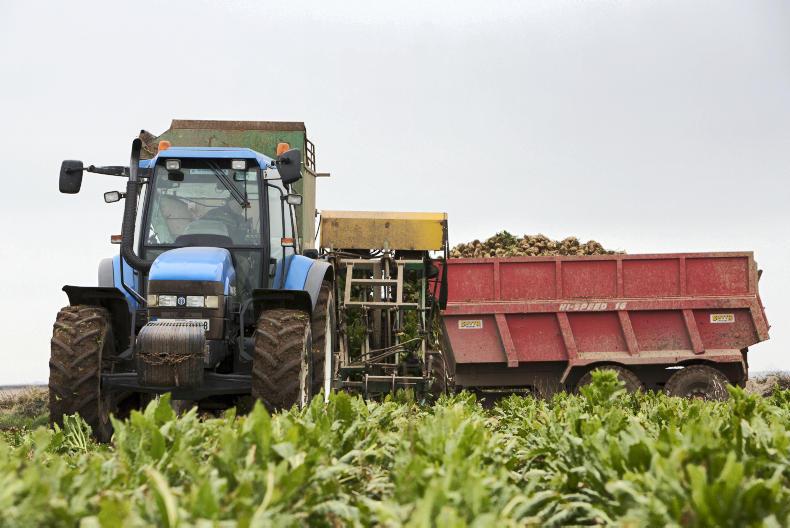
The European sugar quota system ends this Saturday, allowing beet producers and processors to grow and export as much as they want for the next season.
The production cap was introduced in 1968 in exchange for price supports.
These have been incorporated into direct farm payments in recent years and EU leaders agreed to connect the sugar sector more directly with world markets.
Greencore rescinded Ireland’s entire 199,000t sugar quota and shut down the industry here in 2006. Ireland received €353m in EU compensation at the time.
Taking a mid-point European price of €550/t since then would put the value of the Irish quota at €1.2bn over the past 11 years. Some former growers now want to revive the sector thanks to the abolition of quotas.
Tough market
Today’s global sugar industry, however, is a tough place to compete in, with giants Südzucker and Nordzucker of Germany, Associated British Foods and France’s Tereos controlling much of the European market.
This year to date has been marked by increasing production and falling international prices. In the EU, white sugar production is estimated to have risen 13% on last year and the European Commission is forecasting another 20% jump in 2017-2018, raising fears of an oversupply crisis similar to that observed after the end of milk quotas.
The Commission has pledged to intervene with market stabilisation measures if required.
On the import side, the EU will maintain high sugar tariffs after the end of quotas.
Read more
No return to beet industry – Coveney
Beet Ireland launch sugar factory fund
The European sugar quota system ends this Saturday, allowing beet producers and processors to grow and export as much as they want for the next season.
The production cap was introduced in 1968 in exchange for price supports.
These have been incorporated into direct farm payments in recent years and EU leaders agreed to connect the sugar sector more directly with world markets.
Greencore rescinded Ireland’s entire 199,000t sugar quota and shut down the industry here in 2006. Ireland received €353m in EU compensation at the time.
Taking a mid-point European price of €550/t since then would put the value of the Irish quota at €1.2bn over the past 11 years. Some former growers now want to revive the sector thanks to the abolition of quotas.
Tough market
Today’s global sugar industry, however, is a tough place to compete in, with giants Südzucker and Nordzucker of Germany, Associated British Foods and France’s Tereos controlling much of the European market.
This year to date has been marked by increasing production and falling international prices. In the EU, white sugar production is estimated to have risen 13% on last year and the European Commission is forecasting another 20% jump in 2017-2018, raising fears of an oversupply crisis similar to that observed after the end of milk quotas.
The Commission has pledged to intervene with market stabilisation measures if required.
On the import side, the EU will maintain high sugar tariffs after the end of quotas.
Read more
No return to beet industry – Coveney
Beet Ireland launch sugar factory fund






SHARING OPTIONS