



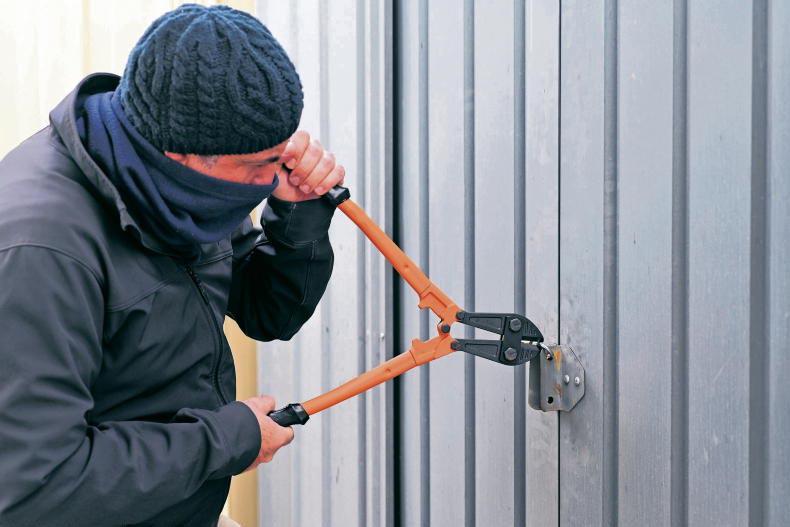
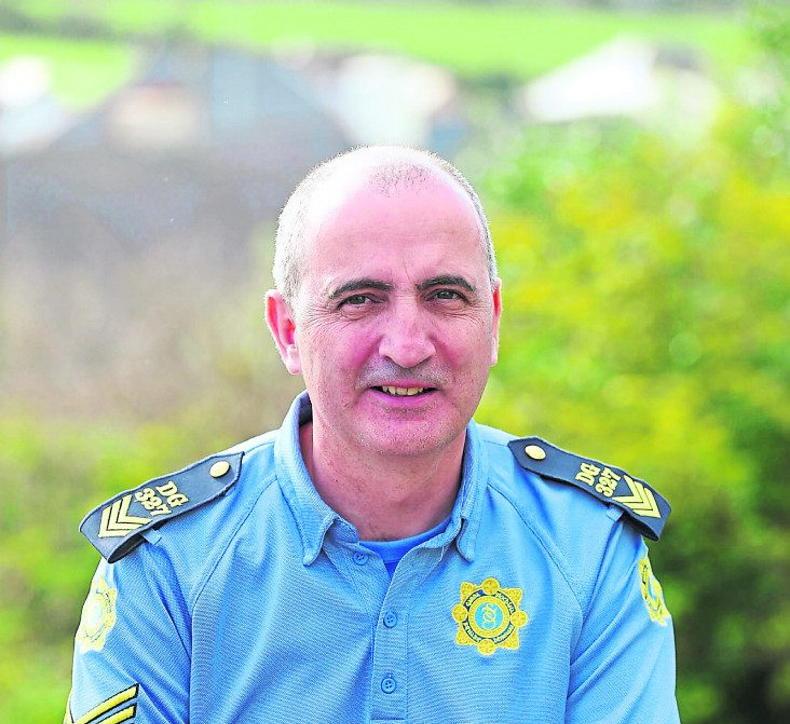
Recent data indicates an increase of up to 20% in break-ins over winter months when daylight hours are at their lowest level. As the winter phase of An Garda Síochána’s crime prevention programme Operation Thor launches, Irish Country Living spoke with Sergeant Fergus McGroary, divisional crime prevention officer at Letterkenny Garda Station, Co Donegal, for advice on securing homes and farms as darker evenings beckon.
“I always tell people, a crime will occur if three things are present,” he says.
“There’s somebody there motivated to commit the crime, an opportunity will present itself to them, and they think they’re not going to get caught.”
While homeowners cannot control a burglar’s motivation, they can reduce opportunities for theft by securing property and implementing deterrents.
When it comes to removing opportunity, Sgt McGroary says that restricting access to property is crucial, especially when it comes to farm equipment, which is often stored on unattended yards overnight.
“Install good gates, fit them with sturdy concrete metal posts, and keep them locked.
“Check your boundaries – make sure your fence, your hedges, and your walls are robust, [and that] there’s no weak spots.”
He encourages farmers to invest in closed-shackle padlocks with steel plate covers for gates. Expect to pay at least €40 for a good-quality lock, and €25-€45 for a plate.
Equipment such as quad bikes and trailers are key targets for thieves, and Sgt McGroary advises not to leave the keys in any vehicle, or to leave machinery unattended in accessible locations overnight.
“It’s very easy for a criminal to reverse a van in with a tow bar, take a piece of equipment and be gone with it before you even realise.”
In the home, gardaí recommend storing car and house keys away from window and doors and to avoid keeping large amounts of cash or jewellery. Where possible, valuables should be stored in a sturdy wall-mounted safe.
Data from the last three winter phases shows that almost one in four residential burglaries involve entry through an unsecured door, reinforcing the importance of locking doors and windows when leaving home and securing access points when elsewhere in the house.
“Think smart, lock up and light up,” says Sgt McGroary.
As the price of fuel continues to increase, he also points out that home heating oil tanks can be a target for criminals.
“With the price of fuel increasing all the time, that is something we’re aware is vulnerable,” he says.
“Invest in good lighting around your oil tanks. There are locks you can buy now for the top of tanks as well.”
In terms of deterring burglars, Sgt McGroary says, “There are three things I would say are equally important – good lighting, cameras, and an alarm.”
“These criminals are trying to steal your property. If they step on to a property and they believe somebody’s watching them, if the light’s coming on, if there’s an alarm on the house, or if they think that there’s CCTV picking up, there’s a good chance that they’re going to move on to somewhere else.”
Standalone cameras with mobile connectivity start at around €30 for a basic model, while video doorbells can cost as little as €20.
Last year’s data indicated that 78% of residential burglaries occurred between 6pm and 2am, with Friday and Saturday recording the highest frequency of break-ins. These patterns point to vulnerabilities when residents are out working or socialising after darkness has set in. Motion-sensor and timer-controlled lighting can help deter burglars by improving visibility and creating the impression that homes are occupied.
Recovering stolen property
Farmers can improve the chances of recovering stolen property by pre-emptively attaching GPS trackers, which start at around €35, to trailers and other expensive yard equipment. This will allow the owner to remotely track the location of any stolen items, information which should then be given to gardaí.
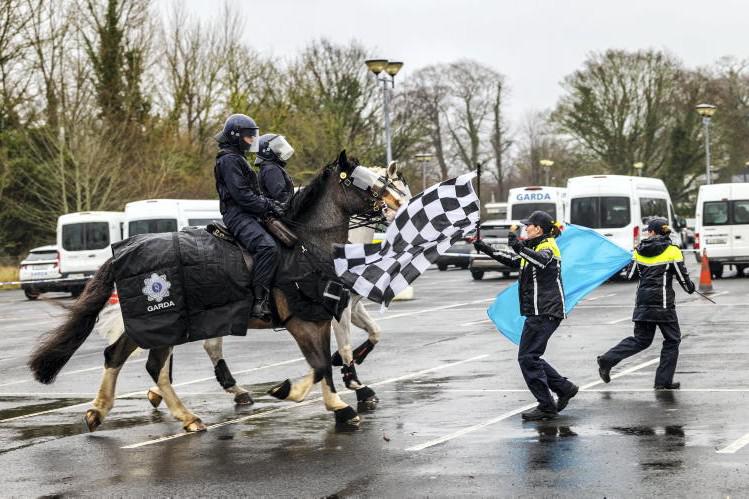
An Garda Síochána has also developed a free mobile app that allows the public to index their personal property such as jewellery, electronic equipment, bicycles and farm machinery. If property is subsequently stolen, users can easily report the theft through the app’s built-in reporting tool. Sgt McGroary also advises farmers to attend property branding events, which are currently running across the country.
If you’re in a quiet area, think about setting up a community alert group. And if you see a van or [a vehicle] going down the road that isn’t normal, don’t be afraid or don’t be waiting on somebody else to make that phone call
Visible property marking acts as a deterrent, as it makes property harder for thieves to sell on, and it also helps to get stolen equipment back to the owner if it is recovered by gardaí.
In isolated rural areas, he stresses the importance of community vigilance, and of reporting any suspicious behaviour to gardaí.
“If you’re in a quiet area, think about setting up a community alert group. And if you see a van or [a vehicle] going down the road that isn’t normal, don’t be afraid or don’t be waiting on somebody else to make that phone call.
“If [the driver] is a genuine person, they won’t mind being stopped by gardaí and being asked what they’re doing in that area,” he says.
The same goes for anyone who captures something they think is suspicious on a Ring doorbell or camera system.
“Don’t be afraid to ring the gardaí,” he urges.
“Some people still have the notion that they don’t want to be wasting the Garda’s time. At the end of the day, we are public servants. That’s what we get paid for.”
“We can’t promise you that anything is 100% crime-proof. But what we try to do is put enough measures in place to mitigate against these crimes taking place, and to reduce the chances of you becoming the next victim of these criminals.”




SHARING OPTIONS