Bluetongue is now a real and immediate concern for Irish farmers. A recent webinar which I moderated, featuring Professor Conor McAloon, UCD, UK vet Will Stevenson, clinical director at Three Rivers, and Chapelfield Farm Vets and Boehringer Ingelheim Technical services manager Sioned Timothy, highlighted the potential impact of the disease and what farmers can do to protect their herds and flocks.
While there is still uncertainty about how widespread or severe the bluetongue virus will be this year, one message was clear: the risk is real, the potential losses are significant, and vaccination is the most effective protection available.
Why bluetongue matters now
Bluetongue is a viral disease of cattle and sheep spread by biting midges. It has moved steadily across Europe and is now present in Ireland. The disease is also well established in parts of the UK, increasing the risk of further spread via windborne midges.
Ireland’s seasonal breeding system increases vulnerability. Breeding often begins in late April or May, coinciding with rising midge activity. This overlap means cows and ewes are at risk during early pregnancy, when infection can have the most serious consequences.
What farmers might see
In sheep, bluetongue often causes visible illness including fever, swelling, mouth lesions and lameness. In cattle, signs may be less obvious, but the economic impact is often greater. The biggest concern is fertility and production loss rather than visible disease. These include:
Empty cows and returns to heat;Abortions and stillbirths;Weak or malformed calves;Milk drop in dairy herds;Reduced growth rates in beef animals.Real farm experience from the UK
UK vet Will Stevenson described a suckler herd where 98 cows went to the bull but fewer than 40 viable calves were produced. This level of loss can be devastating financially and emotionally.
In a dairy herd, milk production dropped by up to 10% for several weeks. At typical milk prices, losses quickly exceeded the cost of vaccination.
The impact on non-breeding animals can also be significant with store and finishing cattle also affected. Outside of the clinical disease symptoms, farmers may see reduced thrive, longer finishing times and increased feed costs.
Control options
Other measures such as insecticides or housing have limited effectiveness. Midges can still bite and spread infection. Vaccination remains the only reliable control option. Vaccination protects against disease, reduces fertility losses and helps limit spread. However, timing is critical. Sheep require one dose, while cattle require two doses 21 days apart, with protection developing after the second dose.
Safety
The vaccine can be used in pregnant animals and has been widely used across Europe. The risk from infection is far greater than any risk from vaccination.
Recommendation
Farmers are strongly advised to vaccinate, particularly breeding animals such as cows, heifers, bulls, ewes and rams. Early action is key to ensuring protection before the midge season peaks.
Final message
Bluetongue virus has the potential to cause major disruption on Irish farms. While uncertainty remains, the safest approach is to act early and protect stock. As highlighted during the webinar, vaccination offers the best defence against potentially severe losses.

Kevin O'Sullivan, Glasslyn Veterinary
*Kevin O’Sullivan, MVB Cert DHH, qualified from UCD in 1998 and joined Glasslyn Veterinary in 2000. Glasslyn Veterinary are a member of XL Vets.
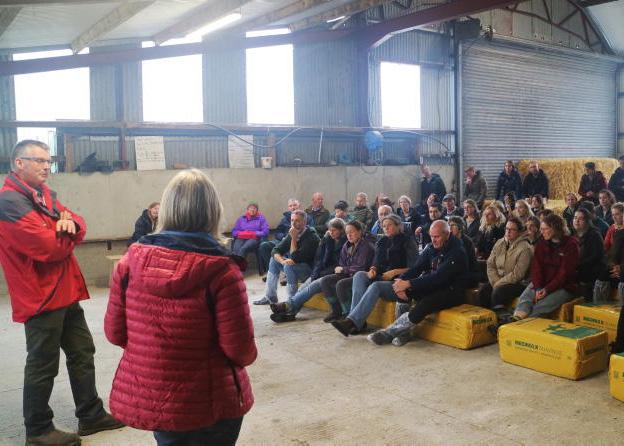
Bluetongue is now a real and immediate concern for Irish farmers. A recent webinar which I moderated, featuring Professor Conor McAloon, UCD, UK vet Will Stevenson, clinical director at Three Rivers, and Chapelfield Farm Vets and Boehringer Ingelheim Technical services manager Sioned Timothy, highlighted the potential impact of the disease and what farmers can do to protect their herds and flocks.
While there is still uncertainty about how widespread or severe the bluetongue virus will be this year, one message was clear: the risk is real, the potential losses are significant, and vaccination is the most effective protection available.
Why bluetongue matters now
Bluetongue is a viral disease of cattle and sheep spread by biting midges. It has moved steadily across Europe and is now present in Ireland. The disease is also well established in parts of the UK, increasing the risk of further spread via windborne midges.
Ireland’s seasonal breeding system increases vulnerability. Breeding often begins in late April or May, coinciding with rising midge activity. This overlap means cows and ewes are at risk during early pregnancy, when infection can have the most serious consequences.
What farmers might see
In sheep, bluetongue often causes visible illness including fever, swelling, mouth lesions and lameness. In cattle, signs may be less obvious, but the economic impact is often greater. The biggest concern is fertility and production loss rather than visible disease. These include:
Empty cows and returns to heat;Abortions and stillbirths;Weak or malformed calves;Milk drop in dairy herds;Reduced growth rates in beef animals.Real farm experience from the UK
UK vet Will Stevenson described a suckler herd where 98 cows went to the bull but fewer than 40 viable calves were produced. This level of loss can be devastating financially and emotionally.
In a dairy herd, milk production dropped by up to 10% for several weeks. At typical milk prices, losses quickly exceeded the cost of vaccination.
The impact on non-breeding animals can also be significant with store and finishing cattle also affected. Outside of the clinical disease symptoms, farmers may see reduced thrive, longer finishing times and increased feed costs.
Control options
Other measures such as insecticides or housing have limited effectiveness. Midges can still bite and spread infection. Vaccination remains the only reliable control option. Vaccination protects against disease, reduces fertility losses and helps limit spread. However, timing is critical. Sheep require one dose, while cattle require two doses 21 days apart, with protection developing after the second dose.
Safety
The vaccine can be used in pregnant animals and has been widely used across Europe. The risk from infection is far greater than any risk from vaccination.
Recommendation
Farmers are strongly advised to vaccinate, particularly breeding animals such as cows, heifers, bulls, ewes and rams. Early action is key to ensuring protection before the midge season peaks.
Final message
Bluetongue virus has the potential to cause major disruption on Irish farms. While uncertainty remains, the safest approach is to act early and protect stock. As highlighted during the webinar, vaccination offers the best defence against potentially severe losses.

Kevin O'Sullivan, Glasslyn Veterinary
*Kevin O’Sullivan, MVB Cert DHH, qualified from UCD in 1998 and joined Glasslyn Veterinary in 2000. Glasslyn Veterinary are a member of XL Vets.
SHARING OPTIONS