


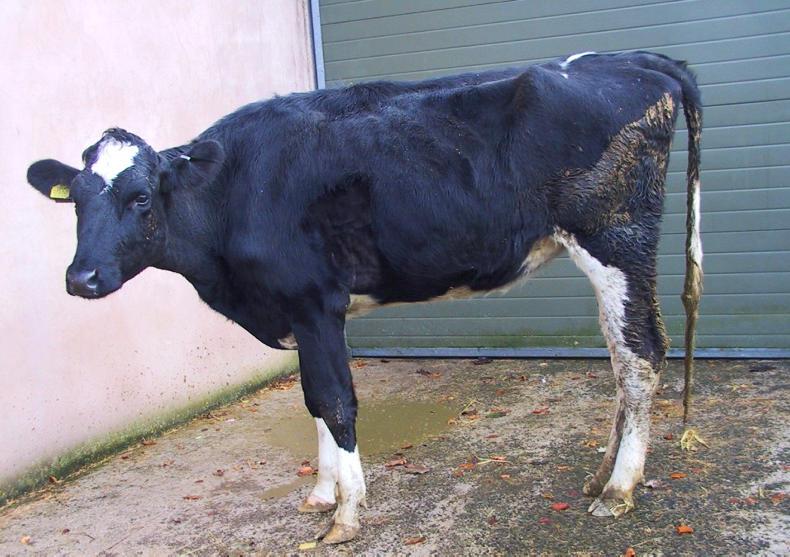
This condition typically affects cattle grazing in their first summer at pasture. However, the advent of long acting anthelmintics (wormers) has meant that the condition may also be seen in older animals. Stomach worms are also an issue with lambs and mature ewes.
Cause
The condition can be more severe among dairy-bred rather than beef-bred calves, because grazed grass makes up a greater proportion of the diet of a dairy bred calf in its first season at grass. Cattle pass worms in their faeces and these eggs become infective larvae in the cow pat. These larvae are then consumed by grazing stock on the pasture. Uneaten larvae can over-winter on pastures, and this explains why animals grazing some fields appear to be more susceptible to stomach worms. However, this relates to the infection pressure on the pasture and not the susceptibility of the animal. 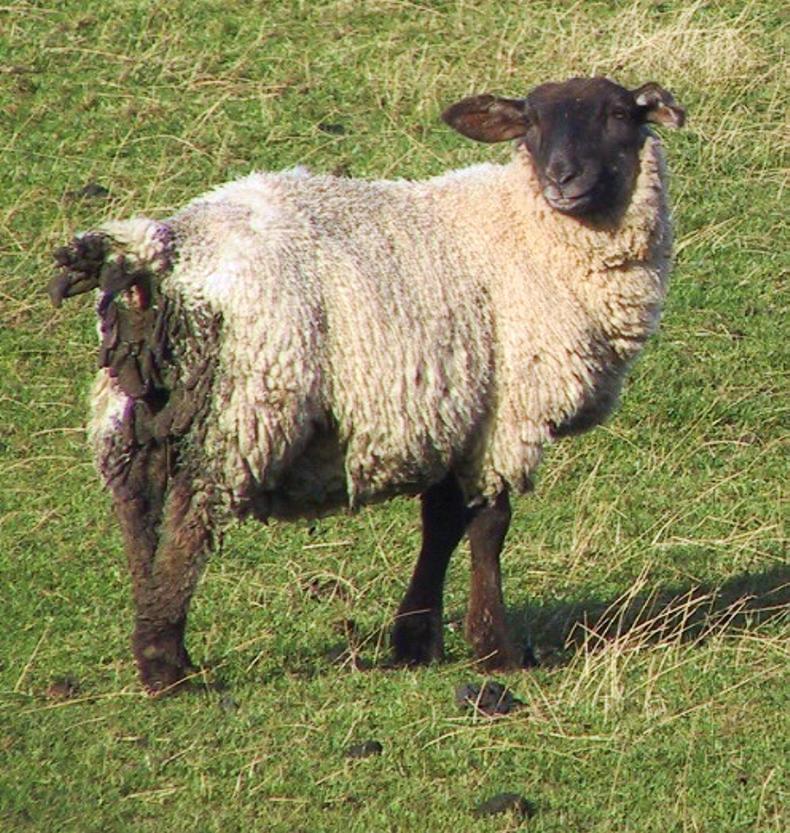
This is generally a condition of young cattle at grass, which have limited or no immunity to stomach worms. It is a particular issue of spring-born dairy-bred cattle and autumn-born beef calves in their first season at grass, and susceptibility increases as grass intakes increase.
Intensively grazed stock are at an increased risk, because they are more likely to graze close to the ground, and more likely to consumer the larvae.
The worm larvae can over-winter, which means infection pressure builds where on pastures which are continuously grazed by youngstock.
Modern anthelmintics provide such long-acting effects that calves may not develop an immunity in their first grazing season, and will be susceptible to infection in their second grazing season. As well as that, modern anthelmintics are now so cheap, they are used very regularly and this too prevents immunity from developing.
Symptoms
The worm most commonly associated with parasitic gastroenteritis in cattle is Ostertagia. There are two types of ostertagiasis. Type I occurs in the summer and autumn, and when it occurs, there will be a large proportion of the group affected. Affected animals will have a watery diarrhoea, and can waste away if left untreated. Type II ostertagiasis occurs in the late winter, where the infective larvae undergo a period of delayed development in the stomach, and re-emerge generally when weather is becoming milder. The use of levamisole-based wormers can facilitate Type II ostertagiasis.
Treatment
There is a variety of anthelmintics on the market to treat parasitic gastroenteritis and they are generally effective against stomach worms in cattle. However, resistance to wormers is emerging as a problem among the stomach worms of sheep.
One should always be conscious of resistance, and it would be wise to rotate the wormer from year to year. Another issue which might occur with the older anthelmintics, which have no persistence of action, is that an animal may become reinfected very quickly after dosing, if it is grazing a heavily contaminated pasture.
This can sometimes be confused with anthelmintic resistance. A faecal egg reduction test can be carried out to confirm the presence of anthelmintic resistance.
Prevention and control
The strategic used of anthelmintics is the primary way in which worm burdens are controlled. Timing of the dosing is to coincide with the peak of the threat. In Ireland, this means the animals should be dosed in July and again a few weeks later, depending on the product used. A period of dry weather followed by wet weather is a particular risk. Grazing silage after grass is likely to reduce the risk. Cattle should be wormed at housing to eliminate any worm burdens which have developed over the grazing season. A benzimidazole or avermectin product should be used to avoid type II ostertagiasis.




SHARING OPTIONS