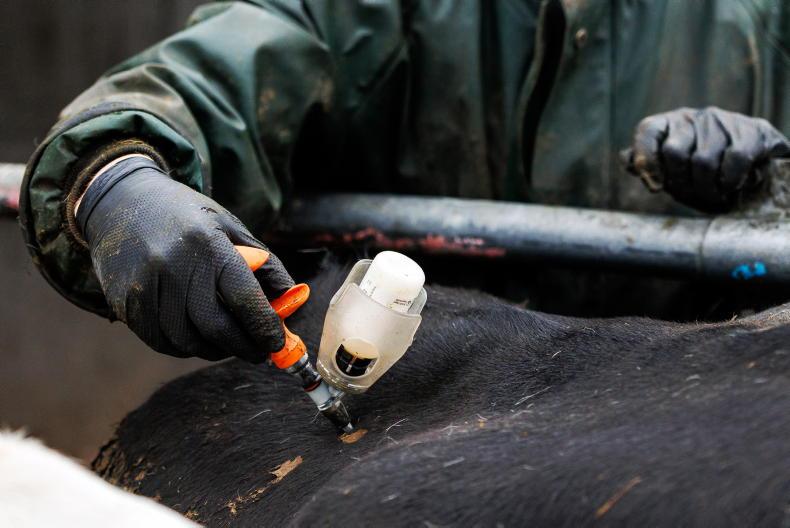
There is currently ample supply of vaccines for leptospirosis on the market with both Spirovac and Biobos L6 available. There were some concerns that supply issues witnessed in 2025 following the discontinuation of Leptavoid-H might carry forward to 2026 but this has not proven to be the case.
Spirovac is manufactured by Zoetis while Biobas L6 is being supplied via Animal Health Distributors on a special import licence granted by the Department of Agriculture. Leptospirosis is a bacterial disease that can lead to reduced milk production, impaired reproductive performance and abortion in cows.
Protecting a herd against disease is of high importance for human health as it is zoonotic and can cause disease in humans. Disease is generally contracted in humans by contact with urine, placental material or aborted foetuses of infected animals.
Clinical signs of disease in humans are flu-like symptoms, with headaches and fever while there is a slight risk of the disease progressing to meningitis. There is no risk of disease via the food chain.
Herd prevalence
As mentioned already the disease in a herd manifests in a sudden drop in milk yield which obviously is more apparent in dairy herds than suckler herds.
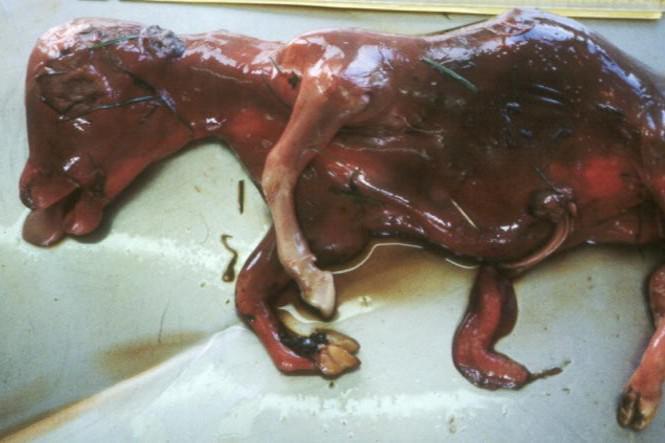
Abortions can occur six to 12 weeks after an initial infection while if the disease is contracted in late gestation it can be passed through the placenta resulting in the birth of infected calves.
Naïve herds can experience abortion rates rising to 20% to 30% while herds where the disease is prevalent can typically encounter lower abortion rates of 5%. The presence of disease should be investigated where reproductive performance is low and there are high empty rates or prolonged issues with fertility.
Animals within a herd can develop a level of natural immunity but any new animals that enter the herd are faced with an extremely high risk of acute infection. The presence of disease is generally identified through laboratory confirmation.
Herd protection
Vaccination remains the best option to protect your herd and also to control the disease in herds which have a confirmed presence.
Biosecurity when purchasing animals is also vital.
Any purchased animals should enter a quarantine phase and ideally undergo investigative testing. Infection can also be found in stagnant waters and as such it is recommended to keep animals away from open waterways.
It is often not recognised that dogs can contract the disease and as such dogs should be included in a vaccination programme.