



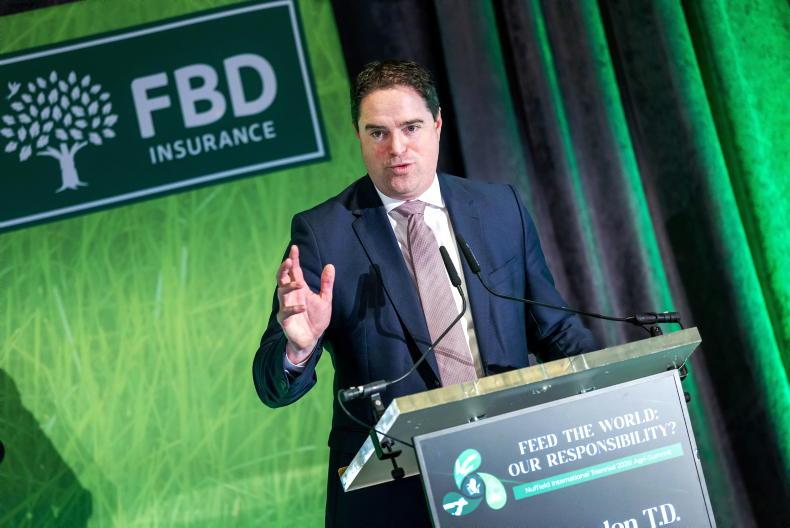
Ireland assumes the presidency of the Council of the European Union (EU) at a pivotal moment. It’s very close to decision time for the EU’s budget for 2028-2035, with demands from challenges old and new far outstripping the funding proposed.
For farming, the Common Agricultural Policy (CAP) faces a significant proposed cut to its budget. It leaves Commissioner Christophe Hansen with a delicate balancing act, evolving the policy programme and system of supports, while continuing to underpin the viability of the family farm. Environmental sustainability and generational renewal will also feature heavily in the final package.
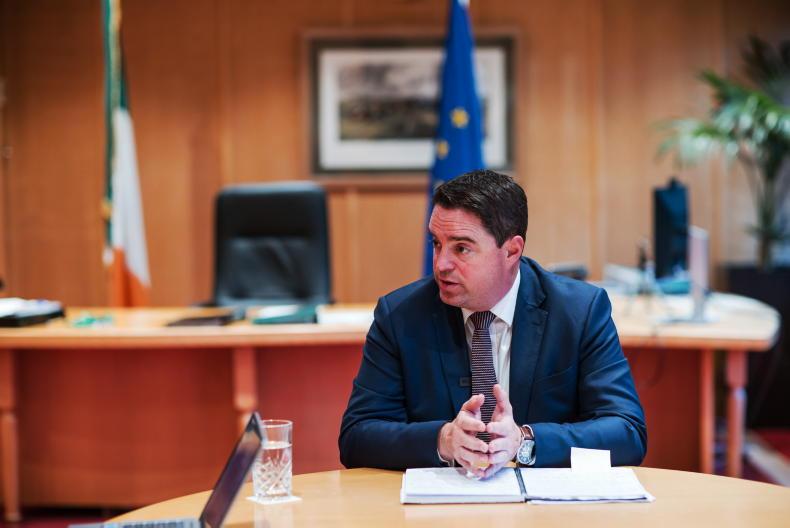
Martin Heydon has the opportunity to repeat the feat achieved by Simon Coveney when Ireland last held the EU presidency, in brokering a CAP agreement. If Taoiseach Micheál Martin could leverage some extra funding for CAP in the multi-annual financial framework talks that will be taking place among the EU’s heads of state, that would make Heydon’s job much easier.
Ireland consistently polls as one of the most pro-Europe and pro-EU countries among all member states, but that is not something we should take for granted.
Polling of people’s attitudes which took place during the European elections in 2024 showed a significant minority of Irish people expressed views that would be considered negative toward the European project. As many as 20% of people polled were anti-lockdown, suspicious of the origins of Covid, believed there is some form of world order, and were strongly anti-immigration.
Some might say that one in five dissenting from the European project is only to be expected, but it is a fairly significant base for an anti-EU populist party to build from. Remember, that in May 2015, Nigel Farage failed to win a seat for UKIP in the British general election. In fact, UKIP only won 2% of the vote and only one seat – the Conservative defector Douglas Carswell holding his seat.
A year later, exactly 10 years ago, Farage, along with the Eurosceptic wing of the Conservative party, outflanked David Cameron and the British government in the Brexit referendum. They somehow convinced the British people it was in their best interests to leave the European Union.
Ten years on, it seems a lot of British people have regret around that vote, but the die was cast.
We cannot take this Ireland’s political stability or our generally enthusiastic membership of the European Union for granted. The moment we do, we risk sacrificing it.



SHARING OPTIONS