



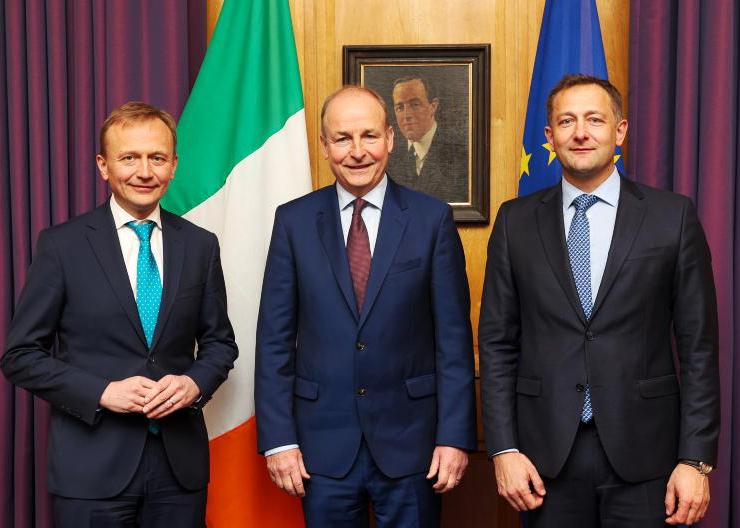
The CAP process is basically a three-legged stool.
The first leg is the European Commission, who put together a proposed policy package and a budget to pay for the schemes and initiatives it forwards.
The second leg is the Ministerial Council, which comprises the Ministers for Agriculture from the 27 member states.
They have the power to accept or reject the Commission’s proposals.
The European Parliament has co-decision powers; they must sign off on the final package along with the member state government representatives. Here we profile the key players in the Commission and the Parliament.
The Commission
Christophe Hansen
In January 2025, the recently-appointed Commissioner for Agriculture and Food Christophe Hansen impressed the IFA agm with his understanding of farming and his ambition for the next CAP. Since then, Hansen has being fighting to minimise the impact of cuts in the CAP budget, and the potential dilution of Cap money through bundling it with the funding for other programmes.
Hansen brings some advantages to the table.
Firstly, he is a member of the European Peoples Party (EPP) , which is still the largest grouping in the parliament, and also boasts a significant contingent of member state agricultural ministers.
Secondly, he comes from Luxembourg, a country that doesn’t have a significant domestic wish list of CAP policy objectives. This gives him a flexibility a commissioner from the likes of France or indeed, Ireland, could never have.
Thirdly, as a former member of the European parliament, he has a good insight into the complicated dynamic of that forum. He will need to utilise all these advantages and more.
Elisabeth Werner
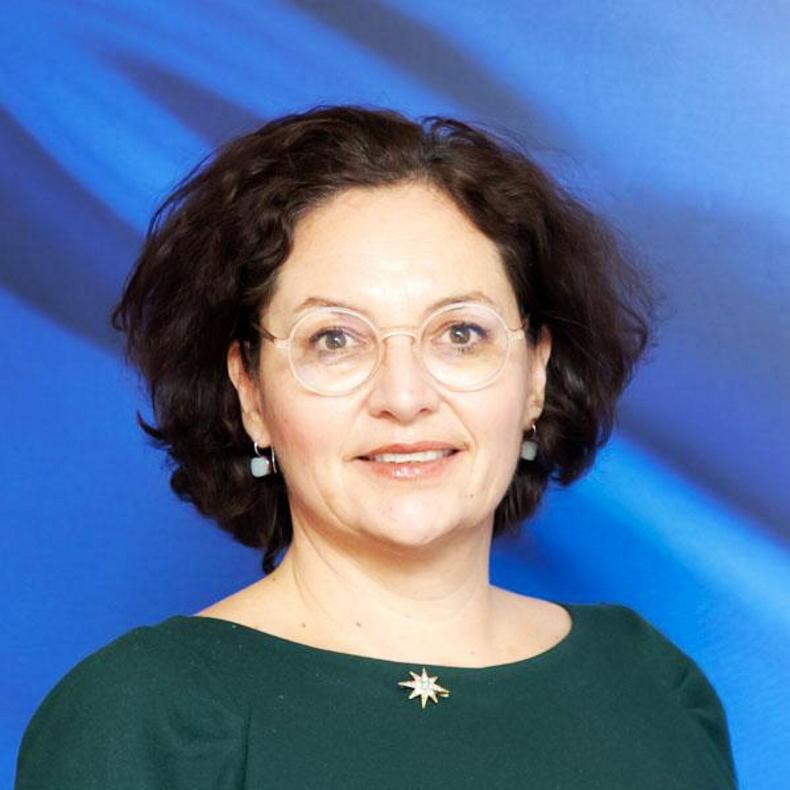
The Austrian woman was appointed to one of the hottest seats in the machinery of the European Commission a year ago, that of Director General of DG Agri. With 30 years’ experience in Brussels, she is well equipped to liaise with Martin Heydon and his officials in the effort to strike a consensus.
Ursula von der Leyen
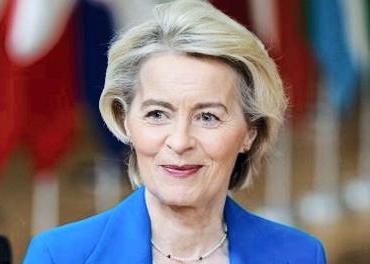
The president of the European Commission is not very popular with Irish farmers, following her championing of the Mercosur agreement, and the budget proposal she had a significant influence over.
How much leeway is there for an improvement in the budget proposals?
The security threats to Europe are real, with Putin’s Russia bordering five member states-Poland, Lithuania, Latvia, Estonia and Finland. And many of Europe’s economies are in moderate health at best. Like Hansen and Heydon, is a member of the EPP too.
Piotr Serafin
The successor to Janusz Wojciechowski as the Polish representative in the European Commission, Serafin is the Budget Commissioner, so his role is every bit as crucial as Wojciechowski’s was in 2021 as the Commissioner for Agriculture, for without an adequate budget, little ambition can be displayed in the policy programme.
Jessika Roswall
\ Claire Nash
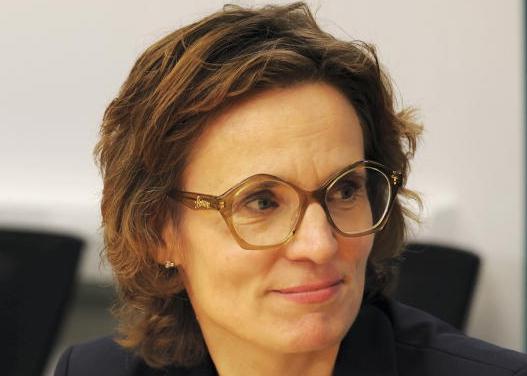
The Swedish national became well known to Irish farmers last year, as her Commission Department of Environment, Water Resilience and a Competitive Circular Economy considered Ireland’s application for a Nitrates derogation. Her visit to Ireland proved pivotal on that occasion. Her input into the process will be important. Yet again, she is an EPP member.
The EPP actually provides 15 of the 27 commissioners, which could be key to finding agreement.
The parliament
Veronika Vrecionová
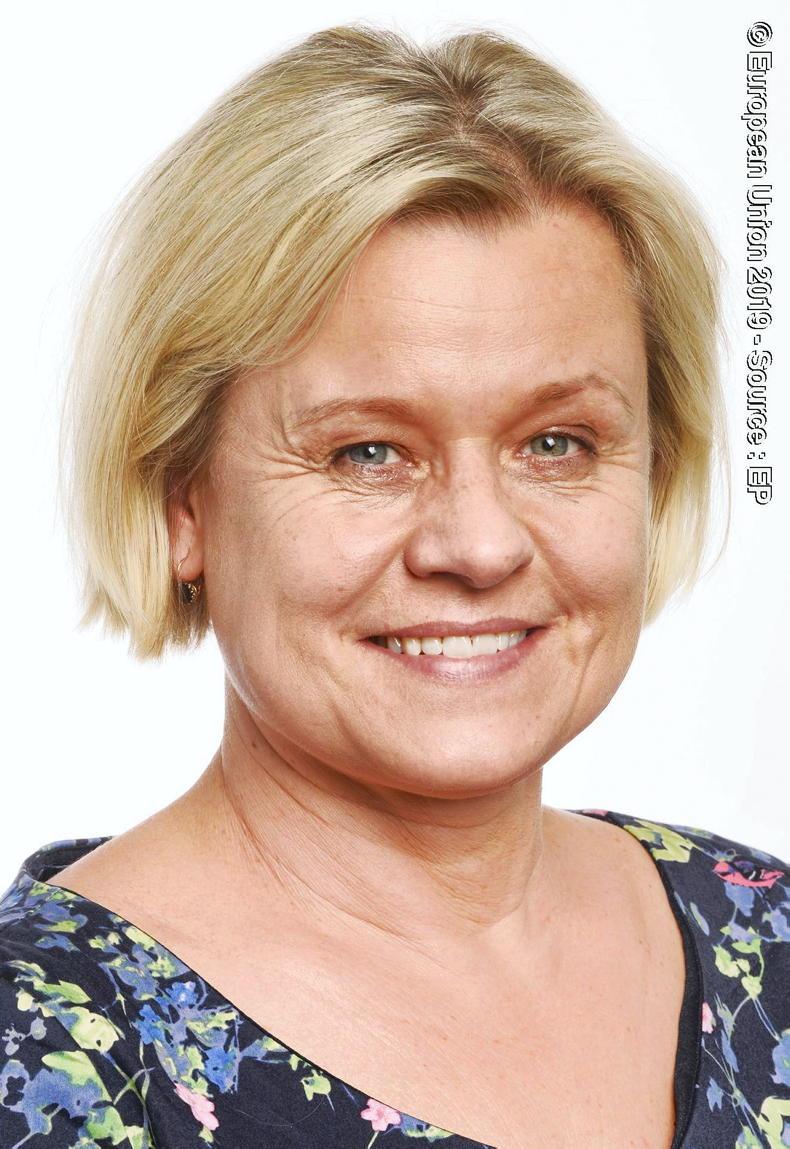
The chair of the parliament’s agriculture committee has a vital role to play, as the parliament has co-decision powers when it comes to CAP.
The agriculture committee had a significant impact on the final package in 2021. In all, there are 48 members on the committee, of which four are Irish.
Vrecionova, an MEP from Czechia, is a member of the European Conservative and Reform Group.
They are considered right of centre, but with Europe’s current political star performer, the Italian prime Minister Giorgia Meloni, did lead the grouping for five years until 2025.
Irish Agriculture committee members
Barry Cowen
Renew/Fianna Fáil
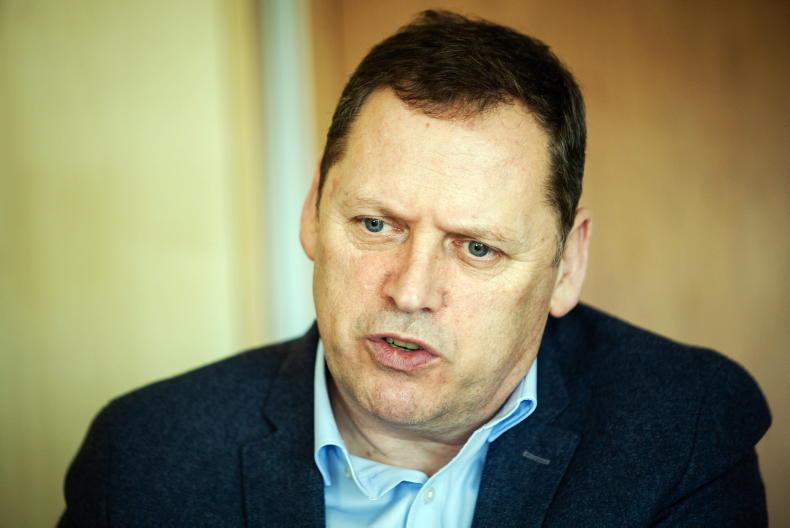
The Fianna Fáil Midlands North and West MEP was briefly Minister for Agriculture back in 2020.
Steeped in politics, he succeeded his brother Brian (who was preceded by their father Bernard) as a TD for Laois-Offaly in 2010. Indeed, a 30-vote loss in 1973 was the only interruption in half a century of Dáil representation from Cowen family, until Brian resigned his seat on being elected to the European Parliament in 2024.
Strong on farming matters, he will have a big role to play in the parliament.
Luke Ming Flanagan
The Left/Independent
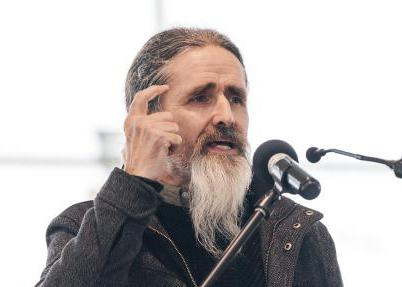
The most experienced Irish MEP on the Agriculture Committee, the Roscommon Independent has been an MEP since 2014.
His perspective could be characterised as closer to farmers on smaller holdings, but he has advocated a massive increase in the CAP budget.
His perspective held significant sway in the final outcome last time out, as the parliament supported front loading.
Ciaran Mullooly
Renew/Independent Ireland
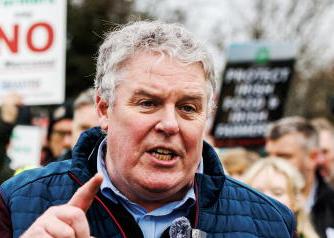
The former TV presenter has been close to farming matters since his time as an Ear to the Ground presenter 30 years ago. He won a seat in the parliament for Independent Ireland, and has made farming a strong focus. He anchored the massive Mercosur protest in Athlone back in January. He is in the same parliamentary grouping as Cowen.
Maria Walsh
EPP/Fine Gael
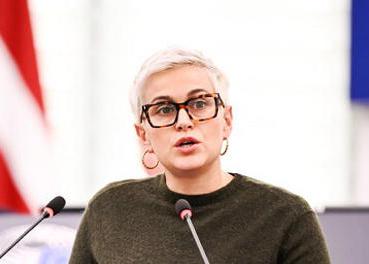
Like the other three, Walsh represents the Midlands North-West constituency, which surely has the highest representation of any single constituency on the agriculture committee. Walsh has focused on generational renewal in particular.
Her EPP membership might help her ability to network with the other players in the CAP process. Walsh is expecting her first child in the Autumn.



SHARING OPTIONS