A simple, grass-based system is the order of the day for James Slattery based at Moyriesk, near Ennis in Co Clare. James has been measuring grass for over 20 years and has grassland management down to a tee, with excellent grazing infrastructure.
James is farming 150 acres in one block where he keeps 110 cows and replacement heifers.
Soil type is good and this enables early turnout, with just one week of grazing missed this March.
The herd of Jersey crossbred cows delivered 536kg MS/cow last year from 800kg of meal. The EBI of the cows is €177 and 89% calve in six weeks.
The heifers are bred using sexed Jersey semen while conventional semen is used on the cows, with some cows that he doesn’t want to breed from getting beef AI.
An Aberdeen Angus stock bull runs with the cows to mop up after 10 weeks of AI with mostly beef AI used for the last six weeks or so.
Milk recording is carried out six times per year and 20% of the cows were treated with sealer only at the last drying off.
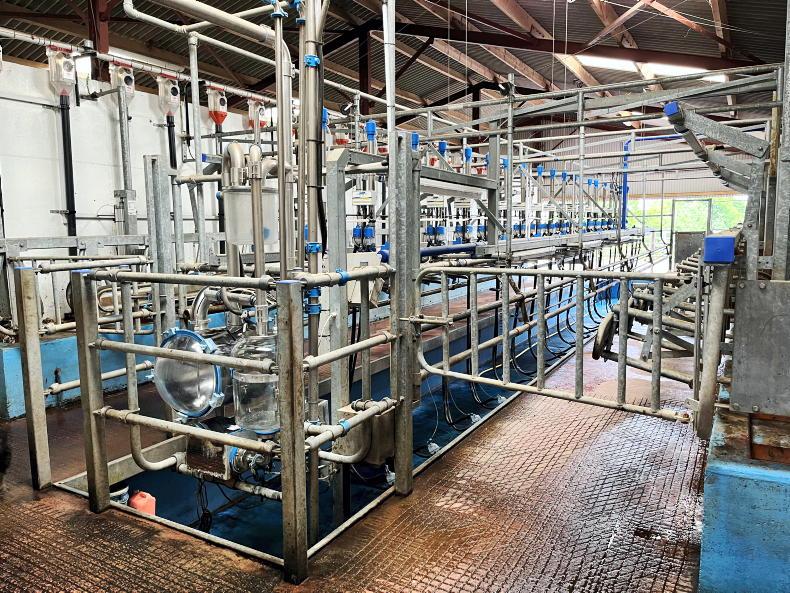
A new 20-unit milking parlour was built in 2013 with a handling unit, collecting yard, soiled water storage and automatic drafting gate installed also.
With a young family, James prioritises time off the farm so running a simple system is important to him. There is some extra help brought in for the spring, plus regular use of relief milkers.
Contractors do most of the machinery work, including all slurry and silage-related work.
Slurry is spread using a trailing shoe; protected urea is applied mostly.
At the time of the judges’ visit, the Slattery farm was just recovering from a drought with grass growth rates in the mid-40s and James was feeding 3kg of meal per cow.
James has incorporated clover into all recent reseeding work and suggests that getting used to managing clover is a new challenge for the farm.
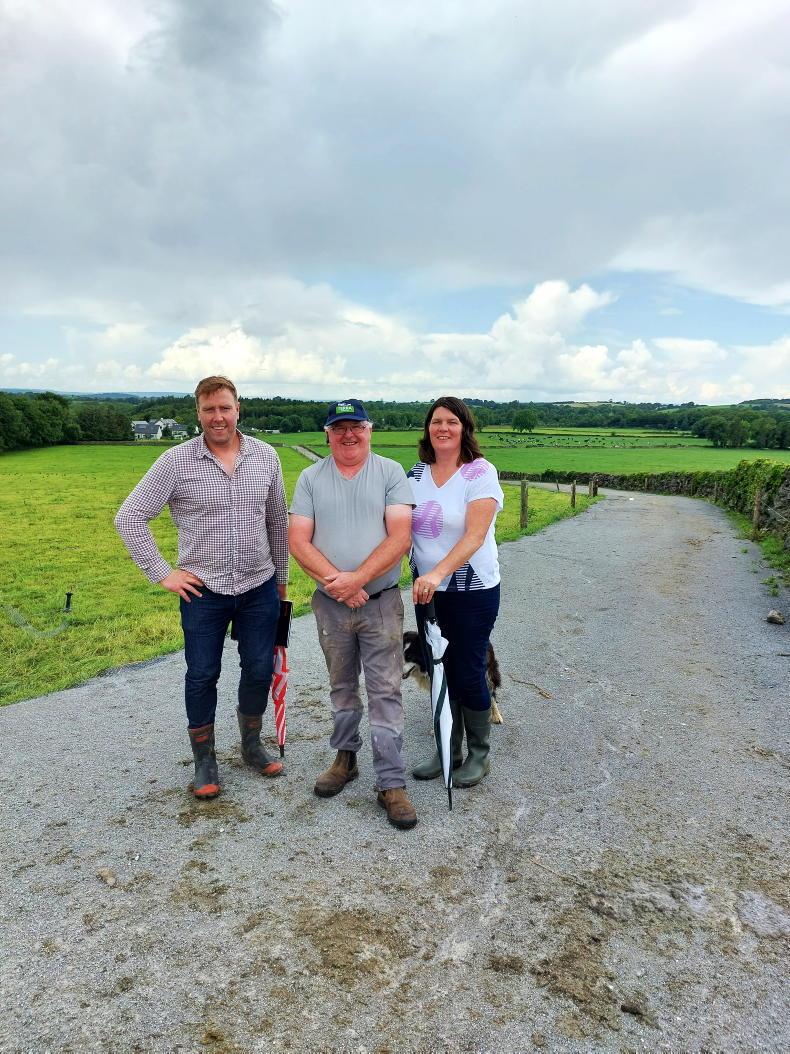
Aidan Brennan, James Slattery and Ailish Moriarty.
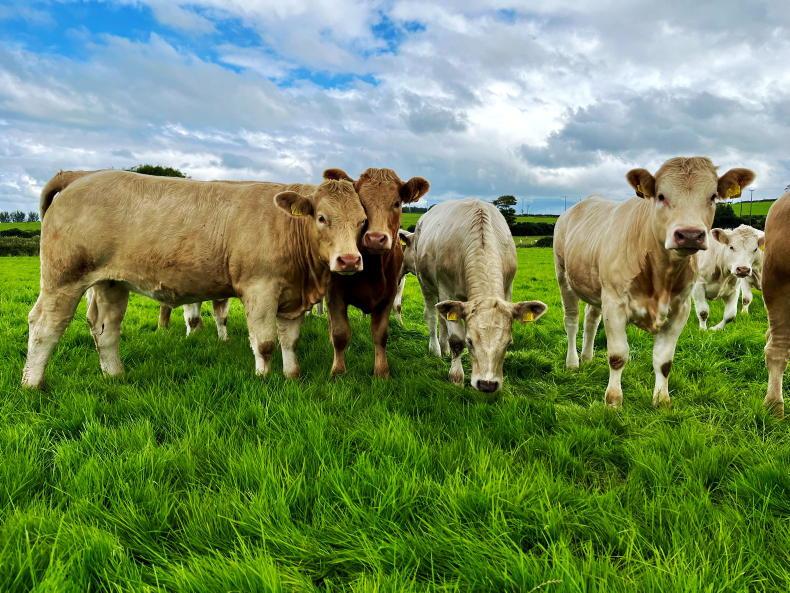
Another challenge identified by James is around calves and improving the beef merits of the calves born on the farm. To this end, James has been using more high dairy beef index continental-type beef breeds on his dairy cows, for which there is a strong demand among local calf buyers.
The carbon footprint on the Slattery farm is the lowest in the competition at 0.78kg CO2/kg FPCM.
James Slattery is farming near Quin, Ennis, Co Clare.He is milking 110 cows on free-draining land. The herd delivered 536kg MS/cow in 2022. Cows are milk recorded six times per year.
A simple, grass-based system is the order of the day for James Slattery based at Moyriesk, near Ennis in Co Clare. James has been measuring grass for over 20 years and has grassland management down to a tee, with excellent grazing infrastructure.
James is farming 150 acres in one block where he keeps 110 cows and replacement heifers.
Soil type is good and this enables early turnout, with just one week of grazing missed this March.
The herd of Jersey crossbred cows delivered 536kg MS/cow last year from 800kg of meal. The EBI of the cows is €177 and 89% calve in six weeks.
The heifers are bred using sexed Jersey semen while conventional semen is used on the cows, with some cows that he doesn’t want to breed from getting beef AI.
An Aberdeen Angus stock bull runs with the cows to mop up after 10 weeks of AI with mostly beef AI used for the last six weeks or so.
Milk recording is carried out six times per year and 20% of the cows were treated with sealer only at the last drying off.
A new 20-unit milking parlour was built in 2013 with a handling unit, collecting yard, soiled water storage and automatic drafting gate installed also.
With a young family, James prioritises time off the farm so running a simple system is important to him. There is some extra help brought in for the spring, plus regular use of relief milkers.
Contractors do most of the machinery work, including all slurry and silage-related work.
Slurry is spread using a trailing shoe; protected urea is applied mostly.
At the time of the judges’ visit, the Slattery farm was just recovering from a drought with grass growth rates in the mid-40s and James was feeding 3kg of meal per cow.
James has incorporated clover into all recent reseeding work and suggests that getting used to managing clover is a new challenge for the farm.
Aidan Brennan, James Slattery and Ailish Moriarty.
Another challenge identified by James is around calves and improving the beef merits of the calves born on the farm. To this end, James has been using more high dairy beef index continental-type beef breeds on his dairy cows, for which there is a strong demand among local calf buyers.
The carbon footprint on the Slattery farm is the lowest in the competition at 0.78kg CO2/kg FPCM.
James Slattery is farming near Quin, Ennis, Co Clare.He is milking 110 cows on free-draining land. The herd delivered 536kg MS/cow in 2022. Cows are milk recorded six times per year.






SHARING OPTIONS