



Dairy farmers are in a surprisingly good mood of late. After a horrendous spring weather wise and a milk price that’s nothing to write home about, the recent good weather to get first cut silage in to pits and bales has been the much-needed remedy that they needed.
If nothing else, it shows the resilience and grit of farmers to play with the cards dealt to them.
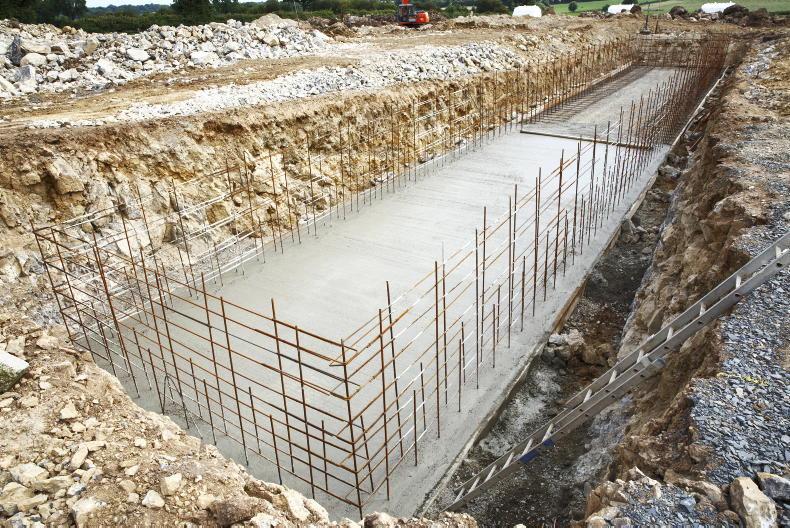
However, a stark reality will be facing many farmers over the next 18 months or so when it comes to investing in their facilities on farm regarding slurry and soiled water storage.
Both requirements are going up in 2028 on the back of the Teagasc study completed last year. In truth, it stated what we all knew; we were fine on paper but we simply hadn’t the capacity on farm to carry us over the required period.
What farmers now face is a choice; either invest in storage facilities (if they are lacking) based off the upcoming requirements or reduce cow numbers, while the constant threat of the derogation being lost always looms.
Farmers who roll the dice and invest in the facilities for their current cow numbers and who are in derogation could see the new facilities underutilised should they be forced to cut cow numbers if we were to lose the derogation or if the organic nitrate figure for the upper limit was cut.
That’s a tough ask for farmers, especially with concrete costs the way they are and poor reference costs for tanks under TAMS.
So, what’s the solution? To their credit, the Department have tried to implement further measures under TAMS for slurry storage with an increased grant amount and separate ceiling, while we have also seen a relaxing of rules surrounding planning permission, but the slow processing of TAMS applications as well as the restrictive volumes on the planning exemptions still leave farmers waiting a long time for approval for either planning or grant aid.
For farmers, it’s a damned if you don’t scenario regarding nutrient storage.



SHARING OPTIONS