



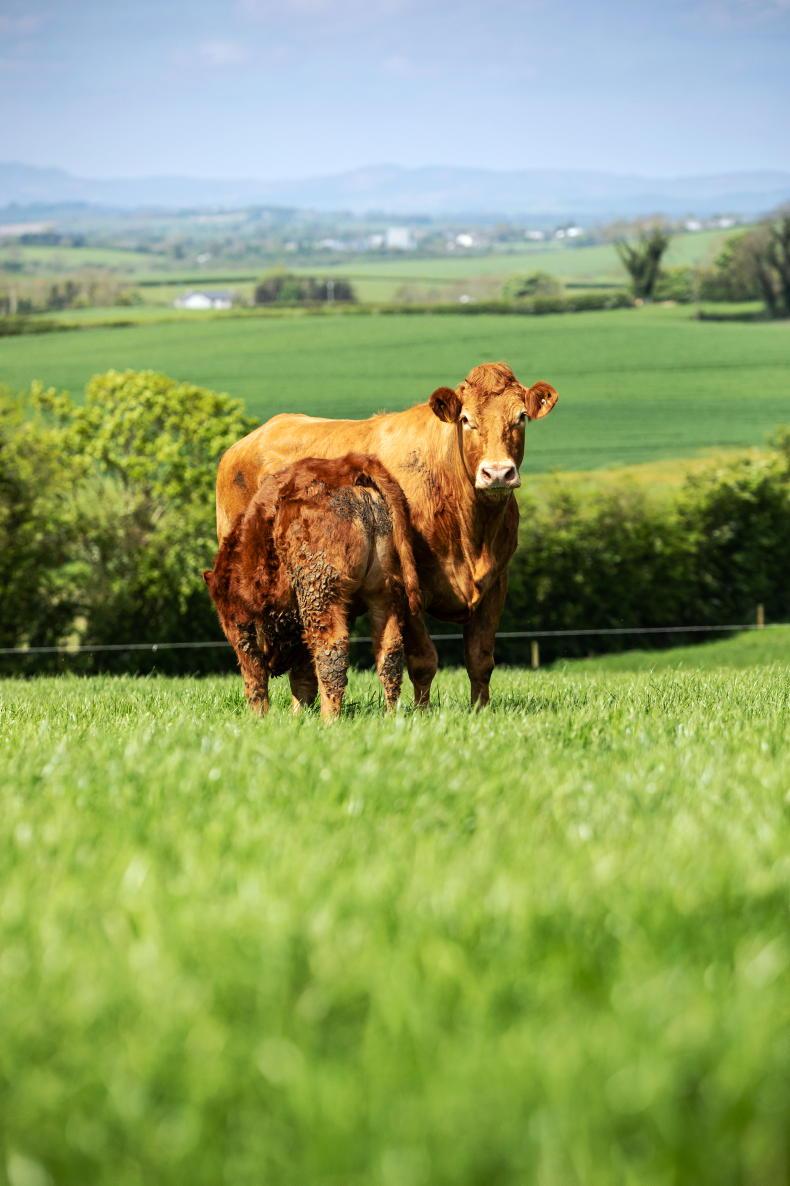
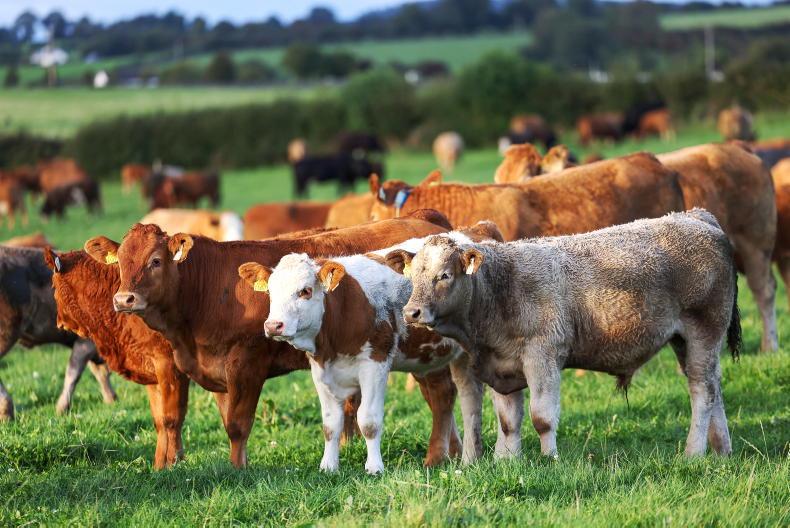
Upwards of 100,000 weanlings between six and 12 months of age will be traded through marts in the coming months, with another 50,000+ animals of a similar age moved farm-to-farm. For suckler-to-weanling producers having animals looking their best at sale time is obviously a critical factor.
This is not just a throwaway comment and having animals looking their best includes having animals at the optimum age, weight and condition for the target market outlet. We saw in 2025 how the health of weanlings and, in particular, pneumonia vaccination dominated the airwaves at many weanling sales towards the back end of the year.
A small number of live exporters are already vocal in their desire for weanlings to be presented vaccinated in 2026. This is a decision for each producer and is also a consideration for farmers retaining calves beyond weaning stage.
Pages 44 and 45 contain invaluable information for farmers considering the most appropriate vaccination programme for their farm.
Unfortunately, after a year of record farmgate returns there is pressure on margins due to rising input costs and lower beef prices. Safeguarding payments has been, and continues to be, vital in a suckler context.
Pages 46 and 47 detail a reminder of scheme targets in the Suckler Carbon Efficiency Programme and look forward to what is likely to be included in the 2026 National Beef Welfare Scheme.
Page 47 also looks at the importance of suckler farmers in Northern Ireland tightening up herd reproductive performance and keeping animals performing every day they are on the farm.
While liveweight prices have reduced, there is still a good return on investment from strategic use of concentrates with animals at a younger age achieving a much more positive feed conversion efficiency.
Last but not least, prospects for the live export trade for weanlings in 2026 are examined on page 50.



SHARING OPTIONS