


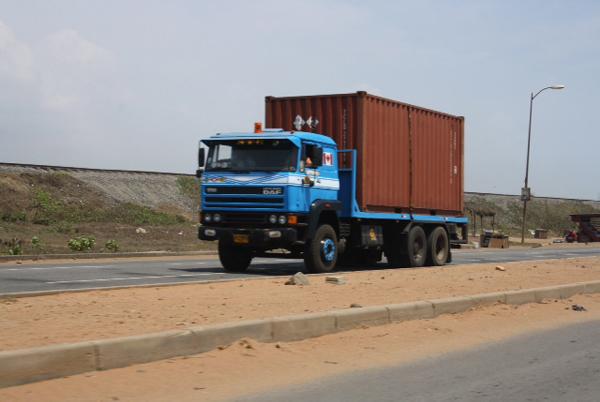
Africa is home to six of the 10 fastest growing countries in the world and sub-Saharan Africa is projected to grow between 5% and 6% per annum over the next few years. There is no doubt that Nigeria’s reputation precedes it. Danger, chaos and corruption are widely reported yet, under the skin, this country may become the first African lion, to mirror the Asian tigers of the 1980s.
One in every 43 people in the world is Nigerian and it is now Africa’s most populous country, with a population of 170 million. And they are young, with 63% under 25 and a further 30% under 55. With growth rates of 2.5% per annum, it is expected to surpass the population of the US by 2050.
Half its population live in cities that are expanding by six million people every year. Almost three quarters are farmers, with agriculture contributing 30% to GDP.
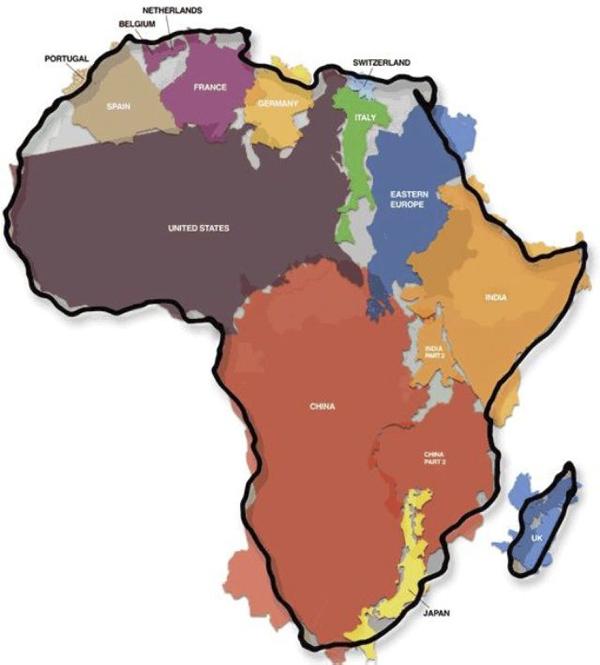
Africa holds most of the world’s most valuable resources: 30% of the world’s global mineral reserves, 40% of the world’s gold and 60% of the world’s diamonds. But oil rich Nigeria has been hobbled by political instability, corruption and inadequate infrastructure coupled with poor macroeconomic management. However, since 2008 the government has shown the political will to implement market-orientated reforms and this is reflected in Nigeria’s consistent GDP growth over the past five years.
The western world remains the greatest economic actor in Africa. However, Asia is becoming a very significant contributor. China, needing raw materials to fuel its growth, is concentrating a large amount of trade and outward investment in sub-Saharan Africa, which in turn is fuelling Africa’s growth.
While almost 50% of the population lives on less than $1.25 per day, the scale is equally unbalanced in Lagos where almost 10,000 ‘dollar millionaires’ reside. But it is the growing middle classes that are of most interest. By 2020, the total number of people in social classes A and B in Nigeria will be 25 million, 23% more than the UK and Germany combined. Even though Africa is a long way behind other emerging countries in terms of the size of its middle class, the combination of a rapidly growing economy and youthful population augurs well for the next 10 years.
The technological revolution is well underway in sub-Saharan Africa. The recent privatisation of the power industry will open great opportunities for Nigeria, a country with over 100 million mobile phones.
It could be assumed that Nigeria, as Africa’s largest crude producer, is self-sufficient in oil. However, it buys 80% through trading houses as its own refineries are old and in need of investment. This lack of infrastructure is evident for imports of grain, fruit and fertilizer.
Africa today imports 40% of the food it consumes, compared to just 10% 50 years ago. Up until the 1970s, Nigeria was self-sufficient in grain but it abandoned much of this production in favour of oil. With its fertile land and favourable climate, Nigeria could easily become self-sufficient again and even become a regional exporter.
What is evident and arguably different in Nigeria to other emerging economies is that there is a sense of opportunity, even among the poor. Perhaps an African twist to the American dream.
As economic growth accelerates, driven by political stability, youthful population, increasing foreign direct investments, and improving infrastructure, Nigeria is set to become very relevant for Irish food exports, notably dairy products, as we expand our milk production towards 50% (FH 2020).
Irish exports to Africa reached €2.7 billion last year, with much of this growth in sub-Saharan Africa. Various projections show that exports from Ireland to Africa could reach €24 billion by the end of the decade. There are over 160 Irish companies trading in Africa, including the Irish Dairy Board which has been there for 35+ years.
Ireland has a very enviable reputation across Africa arising from its educational and aid support delivered for many decades. But, despite all the recent progress, Africa remains poor, with many obstacles, while corruption, coupled with shaky infrastructure, remains.




SHARING OPTIONS