



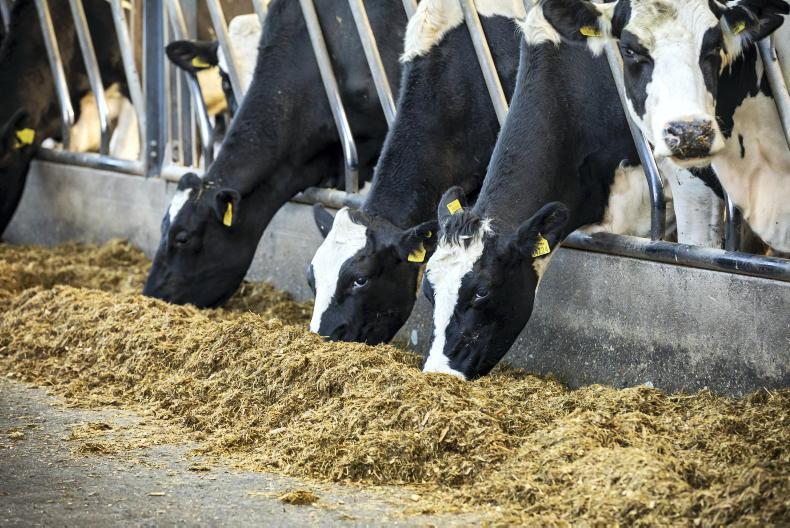
Picking bulls in a winter milk system and picking bulls for a spring-calving herd is actually not that dissimilar, despite what some might say.
No matter what the system is, a strong EBI should be high up on the list of priorities, followed by a good mix of the fertility and milk sub-indexes, with high percentages for kilos of milk solids also common to both.
Below are the top five tips for selecting bulls in autumn calving herds.
1. EBI
The economic breeding index is designed to breed more profitable animals. Higher EBI stock will typically produce more solids relative to litres, be more fertile and hence last longer in the herd.
For every €1 of EBI above zero, there is an estimated increase in profitability of €2. This figure still stands true under a winter milk system.
Avoid picking bulls solely on type, conformation or yield as this does not equate to higher profitability.
2. Milk index
When looking at the milk index, focus more on the estimated PTAs for kilos of fat and protein, instead of getting bogged down in kilos of milk produced.
A negative figure for milk kilos is not a problem provided the fat and protein figures are strong.
Aim for above 17kg of fat and protein combined, with percentages over 0.23% for fat and 0.15% for protein.
3. Fertility
Breeding cows for better fertility increases the days in milk, reduces calving interval and increases the average age of the herd.
More mature cows with a lower replacement rate and fewer empty cows will mean more milk produced in each lactation.
When selecting bulls, ensure the values in the index are balanced for both milk and fertility.
A target of €100 for each trait is a good starting place when selecting the bull.
4. Bull team
When choosing bulls, put together a team of seven to ten bulls. This is particularly important when using genomic bulls as they are more at risk of a drop in EBI than those daughter-proven bulls. Having a team also means a lower risk of inbreeding.
ICBF’s sire advice is a useful tool when the bull team has been selected. Once the bull team’s information has been inputted, the programme will develop a breeding plan for each cow with a lower risk of inbreeding.
5. Sexed semen
Sexed semen is now widely used on Irish dairy farms as it’s an opportunity to reduce the number of bull calves born, as well as increasing the chances of breeding heifers from the best cows.
Extra care and vigilance is needed when breeding autumn-calving cows to sexed semen.
Cows indoors can be less likely to display signs of heat in fear of slipping or falling. On farms with collars, it’s easier to identify the ideal time for insemination but where there are no collars, extra time will need to be spent observing cows.
When selecting the cows for mating to sexed semen, aim for younger cows, calved more than 50 days and that are regularly cycling.
Performance of the cow is also important. Select those cows milking more solids with fewer health issues or cell count problems.



SHARING OPTIONS