



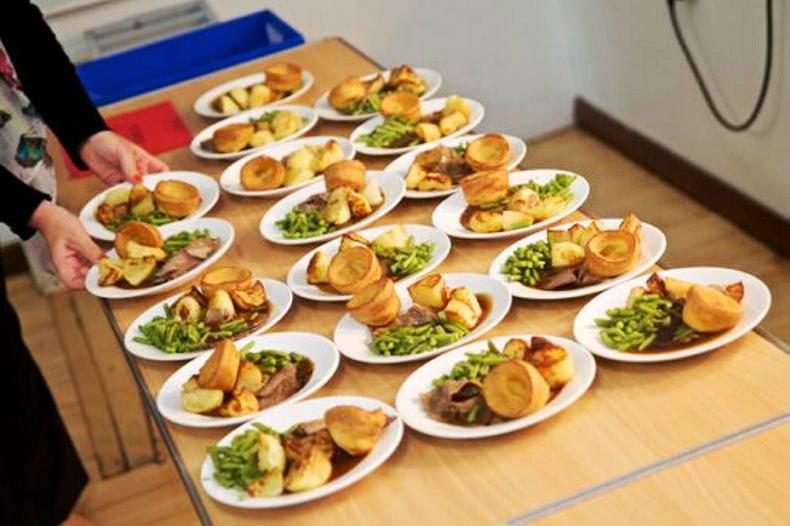
In an aim to address food poverty and promote equity among primary school students, the Irish Government began a phased rollout of its Hot School Meals Programme in 2024.
By September 2025, the programme was estimated to have reached 3,200 primary schools and 550,000 students across the country.
While this is an admirable feat, there have been serious issues with the rollout; particularly for rural schools with limited options.
Teachers, principals, students and parents have cited vast amounts of food waste and packaging generated from the programme. Flavour, nutrition and overall quality has also come into question, as has the funding and procurement process the schools must use to obtain the meals.
In response to these criticisms and as per the most recent update to the programme (March 2026), changes have been made to make the tendering process more accessible and to provide schools with more options. Repeat orders are no longer permitted and food waste will now be collected from schools weekly.
Schools are provided with €3.20 per child per day for the Hot School Meals Programme, and caterers must be chosen through the public procurement tendering process. This process is complicated and, often, smaller catering companies are not able to navigate the system. As a result, many school meals are assembled in large central kitchens, transported throughout the country and reheated on-site.
More than a meal
In March 2026, the Joint Oireachtas Committee on Education and Youth released its 77-page Report on Evaluating the Impacts of the School Meals Programme which contained recommendations, including the idea of having on-site kitchens in schools. In its statement to the committee, Barnardos emphasised the importance of ensuring that children experiencing disadvantage have consistent access to nutritious food, noting that without school-based provision, many vulnerable children may struggle to access regular meals.
Dr Michelle Darmody and Ruth Hegarty of Food Policy Ireland welcomed this report and, at the time, released a statement on behalf of its More Than a Meal campaign. More than a Meal is supported by the School Food Coalition and advocates taking action towards a school food programme that feeds children well, while also benefiting local farms, protecting the environment, strengthening communities and contributing to long-term food education.

“What the report makes clear is that improving the current school meals programme is not about making a few small tweaks, it is about overhauling the policy and being transformative,” their statement reads.
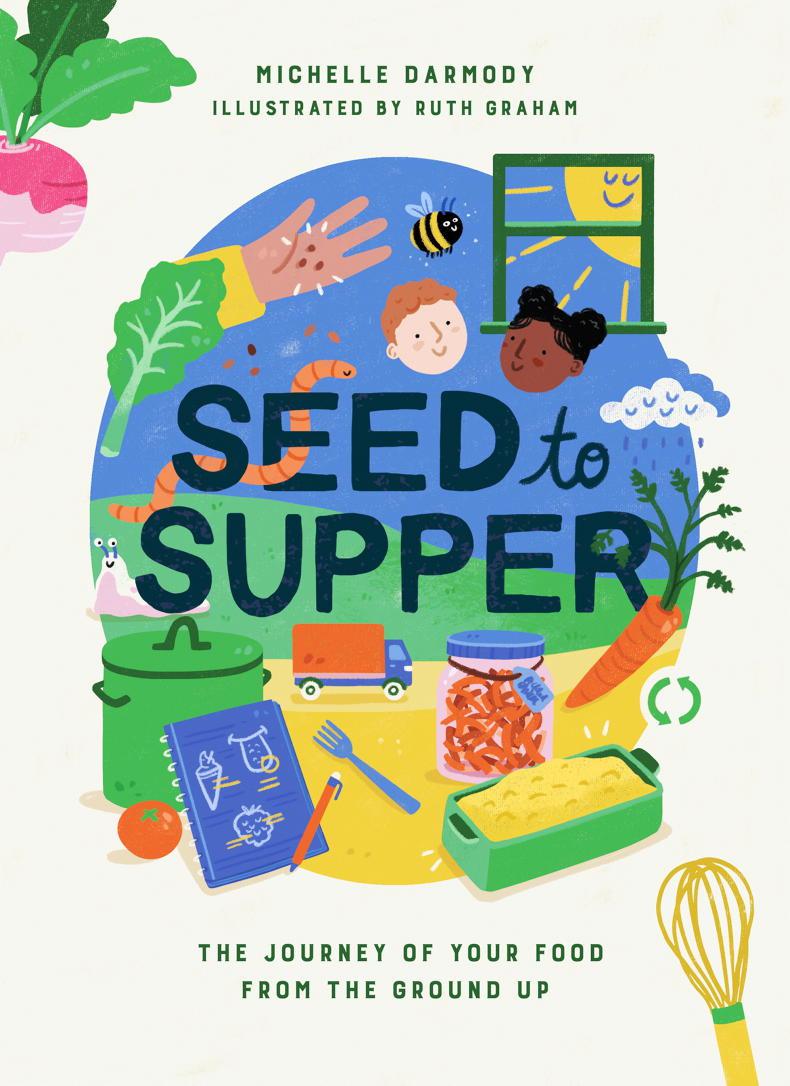
Michelle is a food consultant, award-winning author, entrepreneur and journalist with a PhD in food literacy. Her most recent cookbook, Seed to Supper, offers family-friendly ideas on how we can create sustainable food systems in our own homes. Since much of her work revolves around food education and the environment, the Hot School Lunch Programme is a topic of particular concern.
What the report makes clear is that improving the current school meals programme is not about making a few small tweaks, it is about overhauling the policy and being transformative
“It’s a systemic problem and needs a complete overhaul,” she tells Irish Country Living. “It is an amazing idea to feed children who need food. The ideology behind it is laudable. But we could be doing it in a much better way; a way we’re proud of.
“The €325m [allocated to the programme] could be used to support the farming and food producing community in Ireland, and it’s just not.”
Community hubs
From Michelle’s academic research – considering school lunch programmes in other countries and understanding the logistical, environmental and nutritional challenges of our own programme – she advocates for the use of ‘community hub’ kitchens when in-school kitchens aren’t a viable option.
“If we had 100 hubs, each serving around 30 schools in their area and providing local employment, that would cover nearly the whole country.”
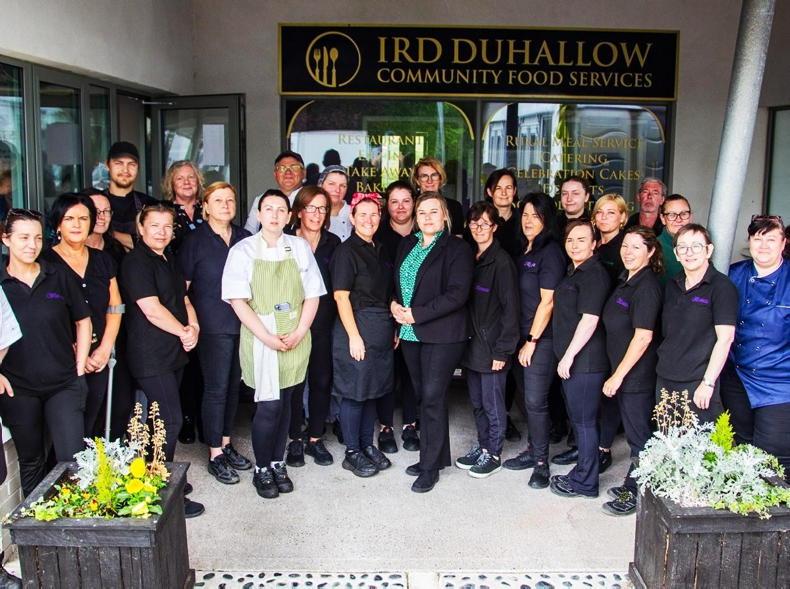
There are a few examples of community hub kitchens serving local schools in Ireland, including the award-winning Duhallow Community Food Services (duhallowfoodservices.ie) in Co Cork. These hubs hire community members to cook, serve and deliver meals and are much more likely to support local farmers and food producers.
“I know the Oireachtas Committee came up with the idea of a kitchen in every school – and that is a great idea – but some schools will not be able to sustain their own kitchen,” Michelle says. “Now, certainly a school with a large kitchen could also serve as a community hub. I visited some schools in the UK who are doing this, where one school would invest in a kitchen and a chef and that school would serve other schools.
“[With these set-ups], gastronorm trays [containers] are placed on small hot plates in a section of the school,” she continues. “The kids queue up with plates and there are usually two meal choices each day. They sit in classrooms or halls, and these meals are efficient, healthy and freshly cooked.”
Most Irish primary school meals are chosen from an app each week. On some apps, there are up to 30 meal choices provided. Having these options might seem like a great idea, but Michelle says research has proven that fewer options actually lead to better results.
“When they’re eating with their peers, they are more likely to try new things and, while they have fewer choices, the few options they do have are better quality and have greater nutritional value,” she explains. “Often, when children have too many options, they end up ordering the same thing over and over – they aren’t actually getting any variety in their diet.”
Michelle is currently working on a research project with her colleague, food policy specialist Ruth Hegarty, and professor Norah Campbell through the Trinity Business School. They are taking the example of Duhallow Community Food Services and examining its socio-economic impact.
“There is a huge sense of care, there, to the community,” Michelle says. “The furthest school they provide lunches to is a 40-minute drive away, but most are found within a 20-minute drive.
“When the Government first launched the programme, they were heavily concerned with the logistics of it all. Looking at it in a different way – looking locally – really simplifies things. Look at the current model: the amount of people and man-hours required, the hundreds of kilometres travelled each day, the overall environmental impact of the programme. When it’s just a hot plates and kids with [washable] trays, there’s no heavy transport or big ovens needed and there’s very little waste by comparison.”
Local Food Links
Michelle refers to several community food hubs based in the UK as examples of how hot school meals are being done well. One such community food enterprise is Local Food Links (localfoodlinks.org.uk) in Dorset.
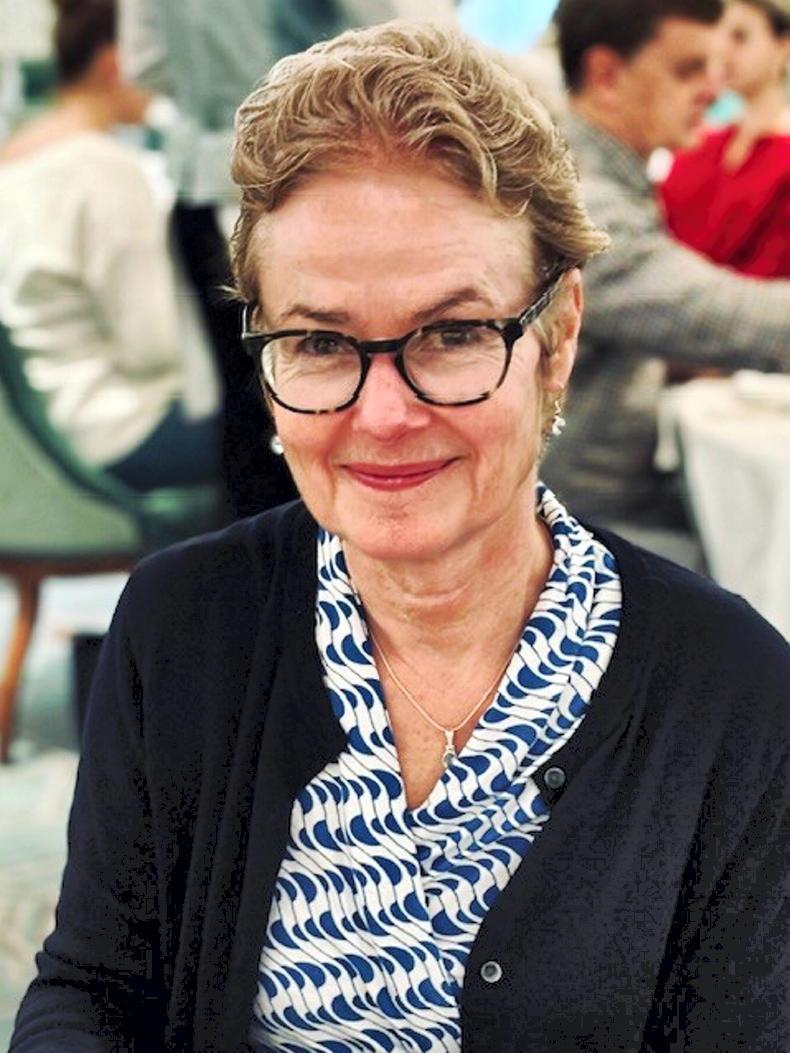
Caroline Morgan is its chief executive and has been with the enterprise since its inception in 2006.
“This year, we’re celebrating 20 years,” she says. “For about 25 years, Dorset had no hot school meal provision in primary schools.”
They started out in two local schools. One day per week, they would make a big pot of soup for the students. A local bakery provided wholemeal bread rolls, a local farm shop provided the vegetables and there was an orchard down the road which provided fresh apples and pears. In addition, they would make some muffins or flapjacks.
“While at first it was just one day per week, it moved to two days and then the full eight schools [in our region] got involved. I was recruited to get hot schools meals to these schools five days a week.”
At first, the organisation operated with volunteers, but as things got busier, they used paid lunchtime assistants. Soon enough, more schools wanted hot meals, so the council found Local Food Links, a disused kitchen which they are still using as a hub today.
“All of this coincided with Jamie Oliver’s campaign around improving the nutrition and quality of hot school meals, but while the government allocated some funds and more schools came along, we were finding it difficult to make ends meet,” Caroline says.
“Survival was always precarious. And then Universal Infant Free School Meals came along [in 2014]. I remember one of my kitchen managers saying, at the time, ‘So it’s going to be, like, our Christmas meal every day? And I said, ‘Yes, sort of,’ – it was that much of a jump. For us, it really made a difference.”
Today, Local Food Links operates three central kitchens and serves over 60 schools in the Dorset and East Devon regions. While they have grown hugely over 20 years, they still maintain their original ethos: create great-tasting, home-cooked meals for students; support farmers and producers by using locally sourced ingredients and create menus based on feedback from pupils and schools.
“When you go into the schools, you realise: this is why we do what we do,” Caroline says. “When you see them enjoying the food.”



SHARING OPTIONS