



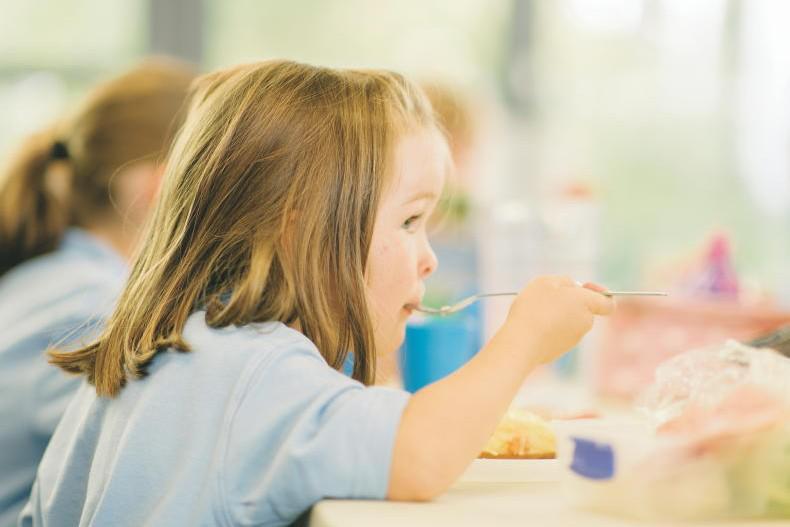
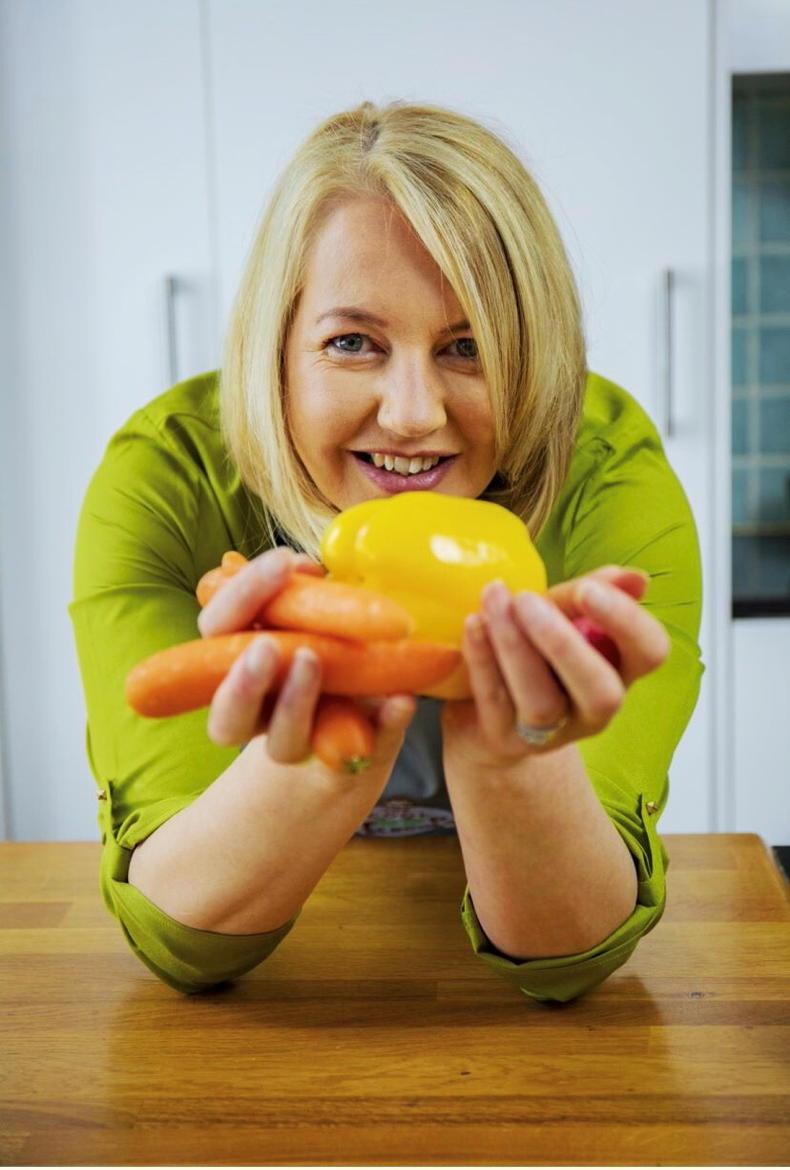
Concerns over several aspects of the Hot School Meals Programme have been raised in many quarters, since it was first rolled out as a pilot scheme in 2019, with food quality and waste being the main issues schools and parents have reported. Trina Trass is a recently retired primary school teacher but has experience of the programme as it was rolled out in her school in south Tipperary during her final year in the classroom.
“There were so many aspects I didn’t agree with,” says Trina. “We aren’t a DEIS school, but we have children with similar needs. I would want those children looked after. But rolling out a system for everyone because a few definitely need it – I don’t know if that was the wisest way to do it.
“The food waste and the amount of packaging is terrible,” she says. “If there was some kind of nominal fee, there would be an incentive to cancel meals. The way the programme was rolled out, you can’t just opt in for two days a week or just have it on a Friday – it’s all or nothing. Some students would take a weeks’ holiday in June, and their lunches would go straight into the bin.”
Good quality, local food is close to Trina’s heart – her family operates The Apple Farm in Cahir. She says the lack of flavour, texture and diversity in the food being served is setting students up for a lifetime of pre-cooked, highly processed meals served in single use packaging.
“And if the students want to order a healthy salad, there isn’t an option for that,” she remarks. “There is so much money going into this scheme. If we took that funding and were able to have immediate, direct access to speech therapists, occupational therapists and nutritionists, imagine how much value you would get for the money spent. If we invested in people and had those professionals serving a pool of regional schools, that would be much better use of public money.”
Just after the Christmas holidays, in early 2025, Trina surveyed students to see how many lunches were being wasted. She estimated that if as many lunches were binned each day as on that day in January (which was considered a “low waste” day), they would waste around €30,000 worth of lunches per school year. After making this realisation, Trina and other teachers encouraged students who weren’t eating their lunches to opt out of the programme, which helped bring down the waste.
“We made a concerted effort to go around and get kids to cancel their lunches,” she says.
In April, Irish Country Living reported that the Department of Social Protection were launching a nutritional review of the programme, the results of which are due by the end of 2025. Providing nutritious school meals is essential for children’s health and wellbeing, but for most who work in food or education, this feels more like a box-ticking exercise than a precursor to tangible change. After all, it doesn’t matter how nutritious a meal is – if it isn’t tasty, it will still end up in the bin.
Making the change
According to the American-based Global Child Nutrition Foundation, which publishes their global survey of school meal programmes every two to three years, when done well, school lunch programmes create demand for nutritious foods, can improve the livelihoods of food producers and help meet climate targets. Their survey compiles data on school lunch programmes from 142 countries.
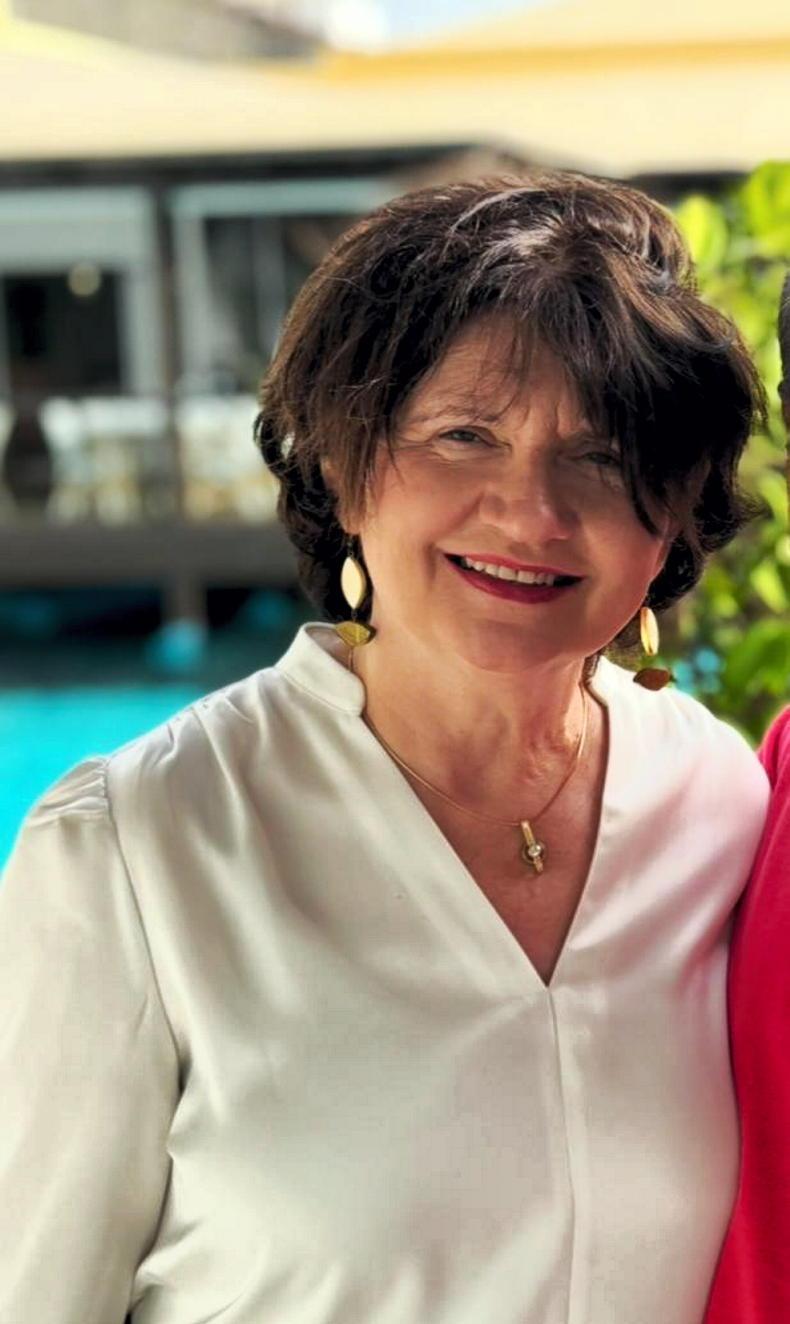
Ruth Hegarty, director of Food Policy Ireland, has been researching sustainable food systems for the past 20 years. She has written and spoken extensively on the Hot School Meals Programme, particularly around the missed opportunities for food system reform and developing primary food education.
“I see a complete transformation needed [with the Hot School Meals Programme],” she says. “I think [with the current nutritional review] you’re going to have a review of the standards but within the same model, with the same providers. This means, in many cases, we will still see mass-assembled meals with pre-prepared components coming from a centralised facility.”
Ruth, alongside food education expert Michelle Darmody and others, hopes to inspire this transformation through a school food pilot they are currently scoping. This is a model which focuses on the health and nutrition of children, with climate and local food production in mind.
“Our aim is to reduce inequality and deliver the best in terms of health and wellbeing while supporting farmers and local economies,” she explains. “This can be done through stronger procurement strategies, with a focus on local sourcing.”
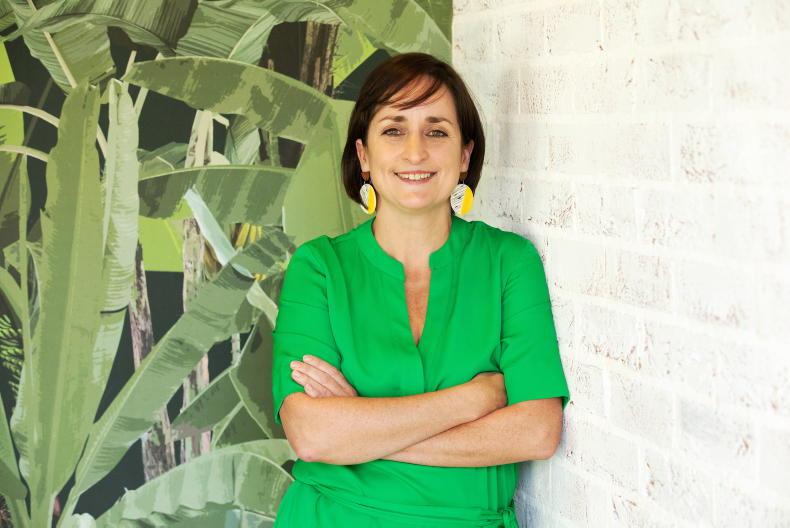
Food Policy Ireland has secured short- term funding from Lifes2Good Foundation and has brought together an advisory group to help develop the pilot. Ruth says we need to ensure public money is being spent on sustainable food, but we are not seeing a coherent approach on this from the Government.
“There is a huge opportunity here, yes to tackle food poverty, but at the same time, to make a significant contribution to better food systems and a positive food culture,” she says. “As it currently stands, we are institutionalising industrial food for our children – we are sending the message that a pre-packaged meal is the norm, and there is no thinking about where it comes from.
“Where is the vision and ambition? If it can be done in other countries, why not here? A kitchen in every school would be ideal,” she adds. “Without school kitchens, we need to look at community-based solutions, [like] regional food hubs to serve local schools.”
Ruth also believes that Irish farmers should have their voices heard on the issue.
“There is a budget of €325m of public money going into this programme each year. Green Public Procurement rules are not being implemented. Our farmers should be fighting for local sourcing, and supports are needed to give producers access to public catering contracts.”
It takes a village
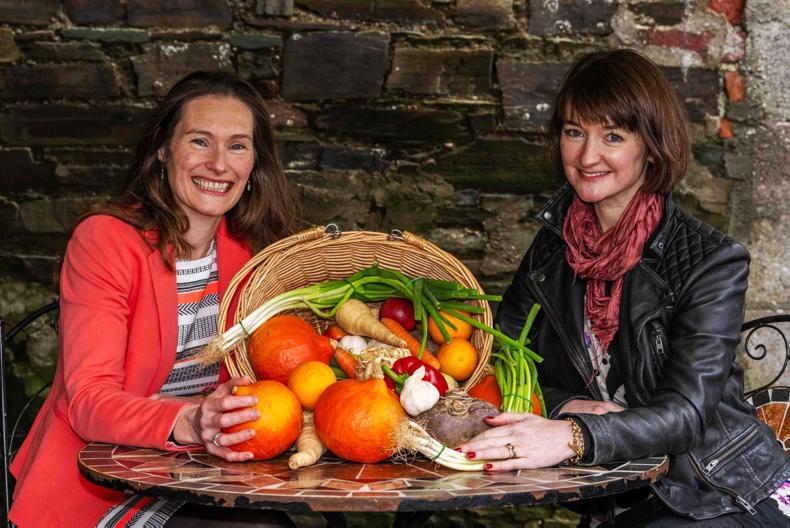
Meanwhile, in west Cork, Melissa Byrne and Gillian Hegarty have taken matters into their own hands – or, at least, into the collective hands of their community. They saw the lack of healthy foods being offered to local children and wanted to do something about it.
Gillian is former head chef at Ballymaloe House and Melissa is a registered dietician with 16 years of clinical experience. In 2024, they launched the Kids Food Revolution (kidsfoodrevolution.com) to encourage collective action regarding children’s nutrition. This is a grassroots movement working to provide healthy food and food education to entire communities.
“What prompted Gillian and myself to develop the organisation was the sheer amount of jellies, sweets and crisps being served to our children,” Melissa explains. “It was everywhere, and accepted as normal. We’re not about banning treats, we just want to see some balance.”
Melissa and Gillian approached local organisations and found that, when you work as a collective, making positive change becomes much easier – there was an overwhelming positive response.
Melissa says, “By changing the snacks given to our children, we’re changing their environment in a positive way. There is a great sense of togetherness, seeing the community working in this way, and now the movement is being picked up in other areas. It’s not about placing blame on anyone; it’s about looking at the food environment around us – we are often set up for failure.
“We need the Government to step in here and protect our kids. Restricting advertising and price promotions on unhealthy foods would be a good start, making healthy food more accessible.”
When it comes to the provision of school lunches, Gillian and Melissa feel the same principles should apply – meals should be tasty and made with whole ingredients.
Government response
Irish Country Living reached out to the Department of Social Protection regarding these concerns. A representative says that under the Hot School Meals Programme, the primary relationship is between the school and the supplier, with the Department providing the funding. The representative also says the current nutritional review is being conducted by a dietician who will “undertake multi-stakeholder engagement” as part of the process.
“Surveys will be conducted with both parents and children participating in the Hot School Meals Programme to determine satisfaction with meals provided and explore opportunities for redesign or improvement of menu options.”
The Department has established an Interdepartmental Working Group (which includes several other Government departments and the Food Safety Authority of Ireland) to oversee and make recommendations on the operation of the School Meals Programme. As part of this, the Department of Education finalised procurement documentation for the Hot School Meals Programme which was made available in mid-August.
“The documents are updated to strengthen the procurement process, [and] the use of these procurement documents will be a mandatory requirement for all schools for participation in the programme,” the representative says.
On a more holistic approach to food education, it is understood that as the working group continues its work, other aspects of the Hot School Meals Programme – like food education – will be examined.
France, Sweden and Japan are all countries with excellent school lunch programmes. Some are free of charge, while others are heavily subsidised, but all have high rates of participation and adhere to a similar ethos.
Variety, not choice: foods vary from day to day, but students eat the same thing.
Fresh and local: meals are sourced and cooked locally.
Time to dine: students are given ample time and the right tools (dishes and cutlery) to eat properly.
Education: students are educated on food culture and food systems.
Nutrition: meals are minimally processed and produced with care.



SHARING OPTIONS