



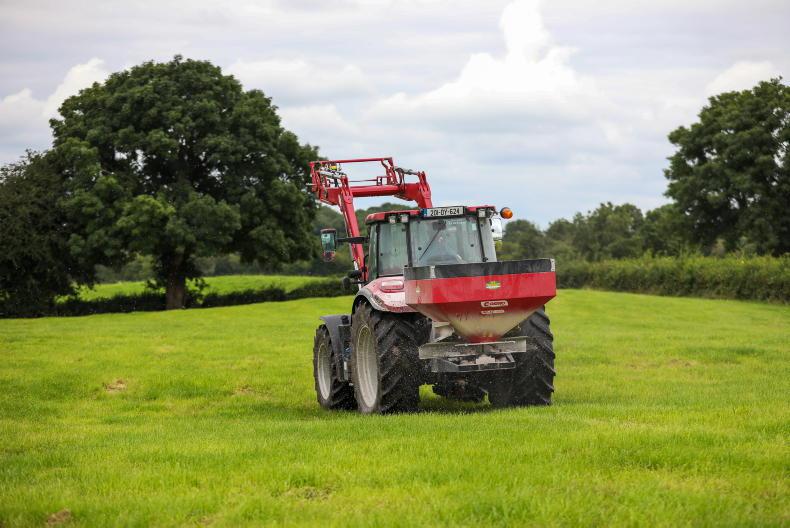
The latest surge in natural gas prices has piled further pressure on the red-hot fertiliser market and dampened farmer hopes of a new year easing in the cost of product.
Europe’s wholesale natural gas price jumped by 40% over the last week to reach a record high of €180 per MWh.
This is on the back of increased gas demand across Europe and rising political tensions between Russia and the west over Ukraine.
The shutting off of Europe’s main gas pipeline from Russia by Gazprom, the country’s largest gas producer and exporter, has exacerbated the emerging crisis.
Fertiliser importers now fear that the latest surge in gas prices will again hit CAN and urea production.
“Production of CAN and urea is likely to be back because of the latest gas price increases,” predicted Liam Woulfe of Grassland Agro.
He said that this will further disrupt fertiliser supplies in the peak season of February-March, when a major tranche of product is traditionally purchased by Irish farmers.
Confirmation last week that Norwegian-based fertiliser manufacturer Yara was to increase ammonia output from its European plants had prompted hopes of improved product supplies in the spring.
In September, Yara warned of a 40% cut in output because of the surge in natural gas prices.
Urea is being purchased for between €890/t and €930/t
Last week, however, the firm stated that overall ammonia production had fallen by just 30% and that its European plants were back in operation.
However, this week’s events have created further uncertainty from a fertiliser price and availability perspective.
The continued volatility in the fertiliser market, and fears around supplies this spring, have resulted in a flurry of farmer buying over the last fortnight.
Urea is being purchased for between €890/t and €930/t, with CAN making €700/t. Up to €775/t has been paid for 9-10-25, while €750/t was paid for 10-10-20. Generally, 18-6-12 is making around €750/t, with 0-7-30 on €740/t.
Farmers are securing between 40% and 60% of their requirements from co-ops and merchants.
In contrast, urea is available to Russian farmers at €380/t.




SHARING OPTIONS