



The drought across Europe continues to break records. The Danube, a waterway running through the heart of the continent, is at historically low levels, revealing secrets from the past.
Everything from World War II warships to prehistoric fossils are emerging from their watery graves. Irrigation and water abstraction bans have been imposed, crippling the ability of farmers to water their crops.
Ships carrying vital supplies are unable to traverse Europe’s arteries like the Rhine, Rhone, and Danube.
Closer to home, we might never have thought that water would ever be scarce, but hosepipe bans change mindsets. A story that Irish data centres between them used over half a billion litres of water to cool their plants over the three months of summer caught many eyes, and raised many eyebrows.
It’s hard for Irish people to put that in context, but 30mm of rain would deliver 300,000l to every hectare of land it fell on.
In old money, that equates to 22,000 gallons of water per acre per inch of rain.
Of course, there has been little or no rain in recent months in some parts of the country.
For high-value crops, this has meant incessant irrigation. And again, the figures are pretty eye-watering. A hectare of cabbage requires between four and seven million litres of water during it’s growth cycle. Similar amounts are needed for potatoes.
Of course, much of this irrigated water returns to the country’s aquifiers, streams and rivers having nourished a crop, but the same could be argued of the water cooling the data centres.
The fear among farmers is that small-scale irrigation will be subjected to licensing requirements if we continue to experience prolonged droughts.
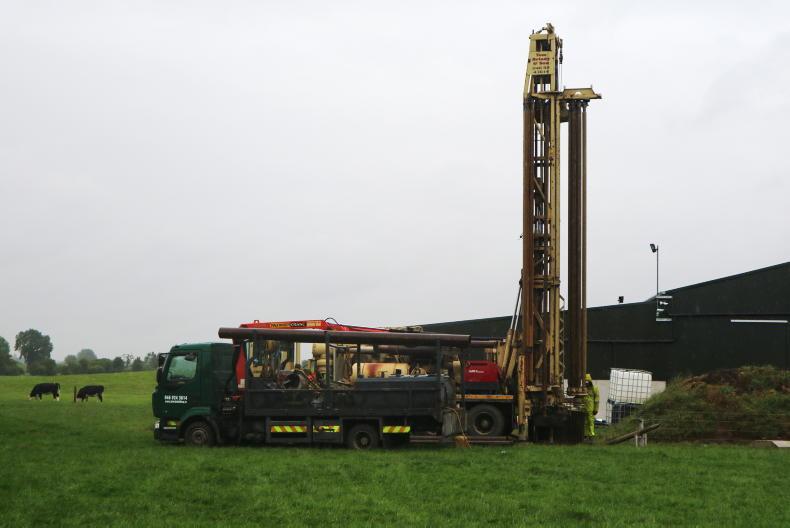
As it is, farmers in the market gardening stronghold of north Dublin are fearful that the streams they irrigate from will run dry. Meanwhile, stories abound of cattle farmers in drought-affected areas having to bore new wells to water their livestock.
As climate change impacts on regional weather patterns to negatively affect farming in some places, it is having the opposite effect in others. I heard last week of a farm in Russia taking an order from a prominent machinery manufacturer for a dozen 6m and a further dozen 12-metre seed drills.
But Russia with Ukraine has been the breadbasket of Europe for centuries, I hear you say. The catch is that this order came from a farm on the far side of the Ural mountains, in an area that previously had a climate unsuitable for growing grain.
As nature giveth, it also taketh away.



SHARING OPTIONS