


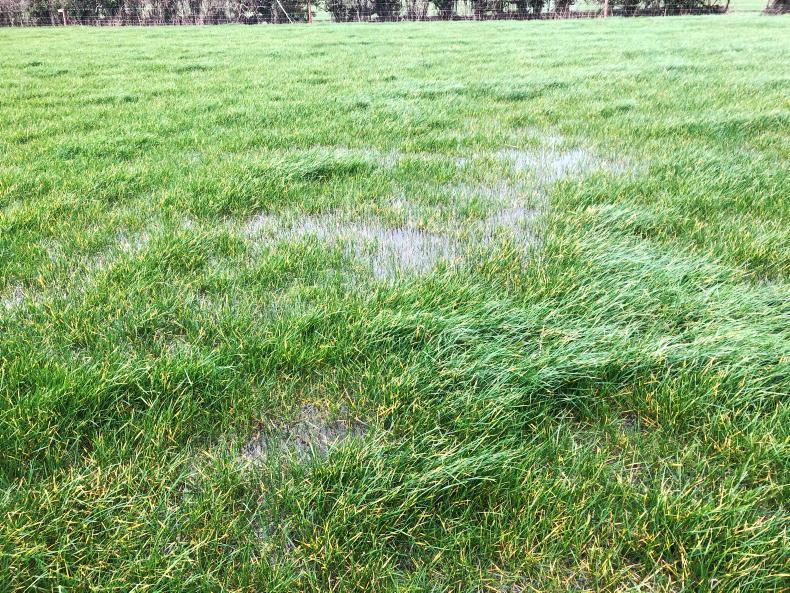
We’re coming very close to the end of the grazing season of 2025, if it hasn’t already ceased on your own farm. Wetter weather and poor drying conditions have resulted in ground conditions being too poor to keep heavier stock out.
Even as it stands, dry matter is low for the majority of farms at 13%; grass is running through some stock and weight gain will be variable unless supplementation in the form of concentrates is included to increase dry matter intakes.
If we are seeing poor utilisation and cattle thriving very little, with loose dung and cattle pasted against a ditch on more days than not, then the best option is to get these indoors and on to silage.
If farm cover is higher than optimal, then grazing in dry conditions can continue to try get these heavy covers cleaned off, but a mini-break for cattle indoors in the hope that some drier, more settled weather will return later in the month is no harm.
If you are seeing farm cover drop in or around the 600kg Dm/ha mark and growth is below demand, then this is a sign that more cattle should be house, no matter if weather allows for grazing or not, unless you are a dairy calf to beef system with an extremely low spring demand.
Shaun Diver – Tullamore Farm, Co Offaly
We have all housed now bar our 45 heifer weanlings, 15 in-calf heifers and four store heifers. These will be housed at the weekend, when we will then dose and clip all cattle.
Weanlings will be housed for one week to allow them develop an appetite for silage, and 20 of the heaviest will then be turned out on to forage rape and silage on 15 November.
Dry cows are on second cut silage, which is 64 DMD. With a lighter first cut we had to aim for bulk to ensure sufficient fodder for the winter.
Rams are now 20 days joined with ewes, with rams being rotated and raddles being changed this week. Some ewes will graze some of the forage rye this week that was sown on 5 September.
System Suckler to beef
Soil Type Variable
Farm cover (kg/DM/ha) 600
Growth (kg/DM/ha/day) 21
Demand (kg/DM/ha/day) 13
Jack Spillane – Tipperary Calf Farm, Co Tipperary
We have all our weanlings still at grass, while all store cattle are indoors on high DMD silage and 5kg of concentrates ahead of finishing.
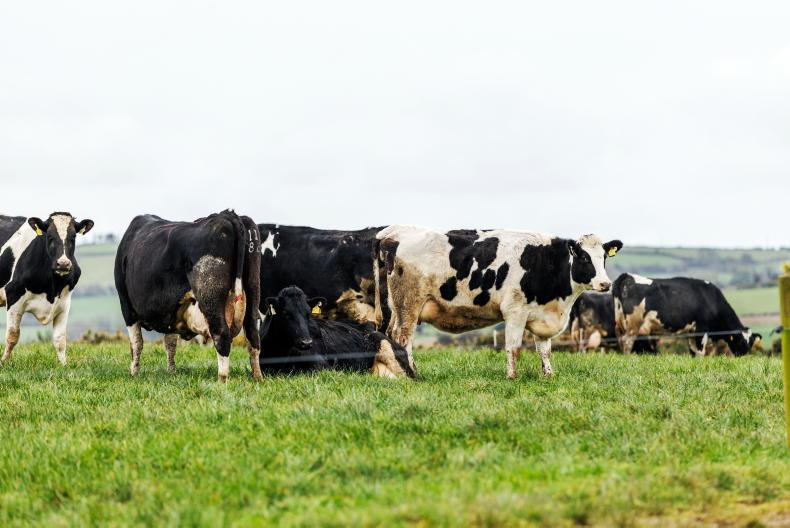
We have slaughtered 120 cattle over the last four weeks, so we have space to house 200 weanlings if required. We are trying to keep them at grass for as long as possible as while we have ample grass on farm, our silage supplies would be on the tighter side after the dry summer.
Calves are grazing covers of 2,000kg DM/ha on 24-hour breaks, but I am not pushing them to graze them out too hard. We will be on covers of 1,500-1,600kg DM/ha after a week or so, which should see better utilisation. We’d hope to keep all weanlings out at grass until 1 December.
System Dairy calf to beef
Soil Type Variable
Farm cover (kg/DM/ha) 1,061
Growth (kg/DM/ha/day) 24
Demand (kg/DM/ha/day) 12
William Treacy – Hackballscross, Co Louth
We’ve received a lot of rain over the past while, and grazing conditions are sticky.
We still have a lot of cattle out which is a result of good grass growth but also waiting to send more cattle to the factory to make room indoors, with one load gone this week and more to be drafted next week.
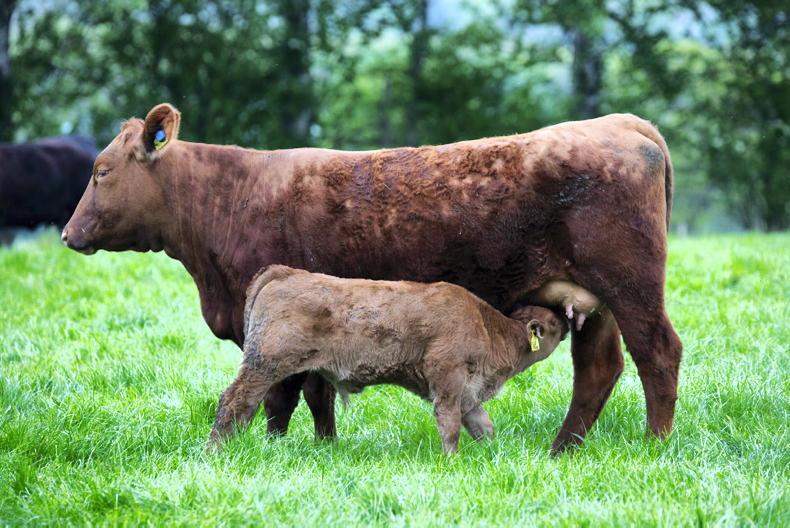
Late-spring cavers are still at grass with their calves, as well as all the dairy beef calves, while we also have some weaned spring sucklers dotted about to graze off some of our heavier covers.
I find that it is better to graze these covers in wetter weather, as they graze and lie down compared to weanlings that walk a lot of grass in to the ground.
System Suckler to beef
Soil Type Variable
Farm cover (kg/DM/ha) 678
Growth (kg/DM/ha/day) 34
Demand (kg/DM/ha/day) 13




SHARING OPTIONS