



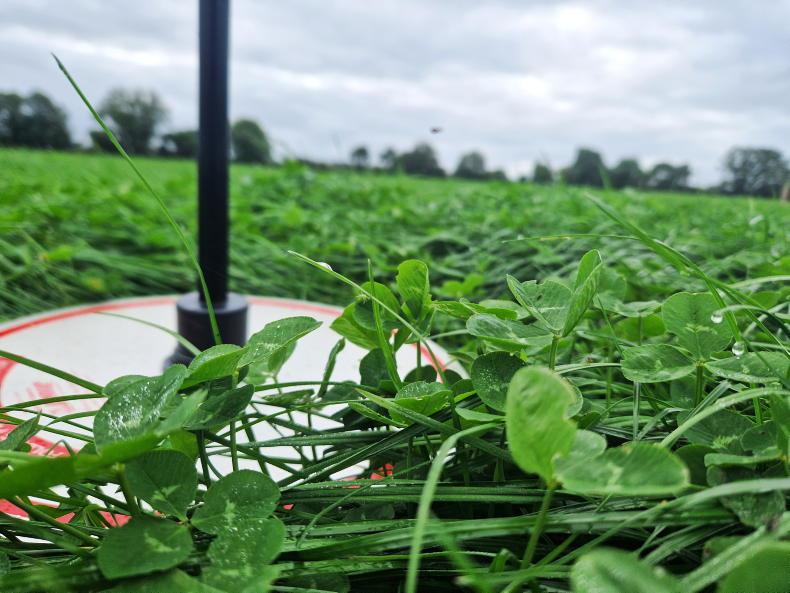
We’re through with July, and it has gone down as one of the wettest on record, with some weather stations reporting two to three times the normal rainfall for the month, with some weeks recording up to five times normal rainfall levels. It was a difficult month for silage harvesting and managing grass, with few sorry to see it past.
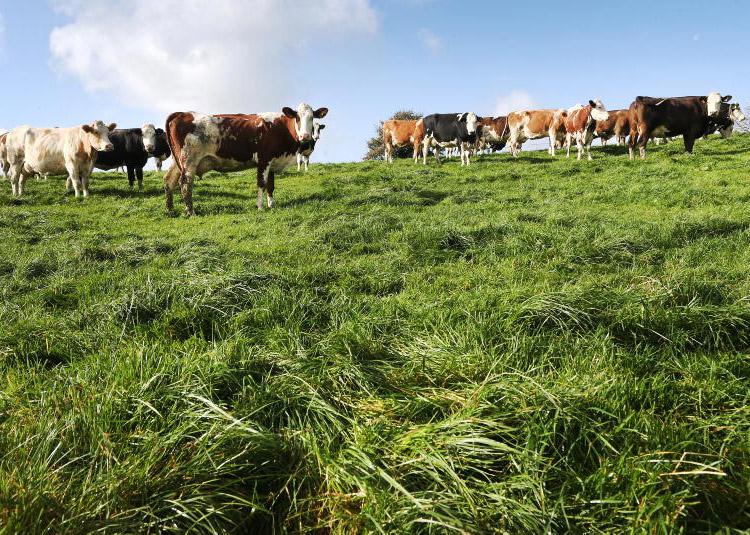
Most farmers at this point have opted for 12-hour grazings, and even at this you may need to over allocate and under utilise if ground conditions are particularly poor.
The real worry would be the impact that severely damaging ground would do to growth rates and the autumn rotation, as well as the long-term impact.
Much the same as in spring time, cows will need very little water, so back fencing to protect grazed ground and a smaller temporary trough will work well.
As well as the difficult grazing, the incessant rain and leafy swards have caused grass dry matter to fall as low as 10-12%.
While energy demand of cows is not at its highest, it will still have an effect on cows. Concentrates and a source of roughage, even as simple as a ring feeder of straw at the parlour exit, will help to maintain dry matter intake.
As seen below in the Ballyhaise notes, bloat is also an issue on clover swards in this heavy rain.
With white clover growing close to the ground, grazing of low covers may result in overgorging.
Bloat oil should be added to water troughs, with a source of roughage (such as above) also offered.
Gordon Swanton – Carrigbyrne, Co Wexford
Second cut silage was harvested last week without rain. It was mowed Thursday evening, tedded Friday and lifted Saturday. 18% of the platform is earmarked for mowing. This hasn’t been mowed yet this year, with no pre-mowing or topping done on the farm.
Eight hectares of a clover reseed is performing very well and is now on its third grazing with no chemical N since sowing.
The aim will be to build covers with clover, slurry and a small volume of bagged N, with paddocks treated on an individual basis. Our chemical N usage is down 20% on last year with a similar volume of grass grown.
Stocking Rate (cows/ha) 3.6
Growth Rate (kg/day) 82
Average Farm Cover (kg/cow) 172
Yield (l/cow) 21.4
Fat % 4.58
Protein% 3.93
Milk Solids (kg/cow) 1.87
Concentrates 2
David O’Leary – Castleisland, Co Kerry
Ten per cent of the platform is to be baled to bring grass back under control, as cover per cow had gone very high.
Second cut was made three weeks ago at this stage, with 35 acres fertilised for third cut.
Hopefully we will get this done in the first week of September and get a light application of fertiliser on it for grazing.
We have five acres of reseeding to try get sown this week, which was disced last week.
We are doing the 10 in 7 milking routine with cows, which takes a little more planning with grazing but is working very well with very little yield loss.
Stocking Rate (cows/ha) 3.89
Growth Rate (kg/day) 53
Average Farm Cover (kg/cow) 210
Yield (l/cow) 18
Fat % 4.55
Protein% 3.83
Milk Solids (kg/cow) 1.55
Concentrates 2
Donal Patton – Teagasc Ballyhaise, Co Cavan
We received significant rain the weekend before last, which caused some of our lower paddocks to flood, some of which were our reseeded ground.
We managed to get most of them grazed, but one of these with a cover of 2,000 kg DM/ha now will have to be baled.
We had 150mm of rain in July, with very few opportunities for drying.
We had one case of bloat last week, with the cow being saved. Dry matter of reseeded paddocks has been as low as 10%. Bloat oil had been going in for two weeks prior to this, but we have also added access to straw at milking times for roughage.
Stocking Rate (cows/ha) 2.88
Growth Rate (kg/day) 68
Average Farm Cover (kg/cow) 208
Yield (l/cow) 19.4
Fat % 4.57
Protein% 3.57
Milk Solids (kg/cow) 1.6
Concentrates 2



SHARING OPTIONS