



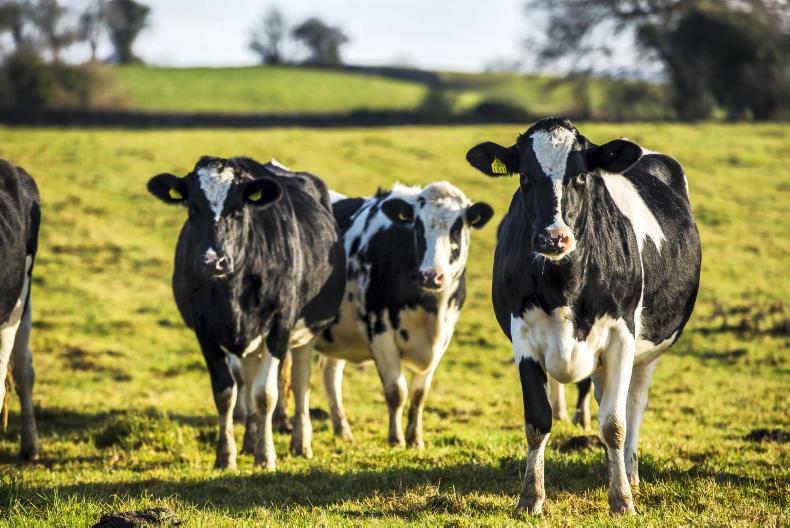
The early days of this week had a real spring feel to them and many farmers were able to get cows, cattle and even slurry out.
High winds last weekend dried out land very well and even though there was some rain on Wednesday night, conditions are good for the time of year.
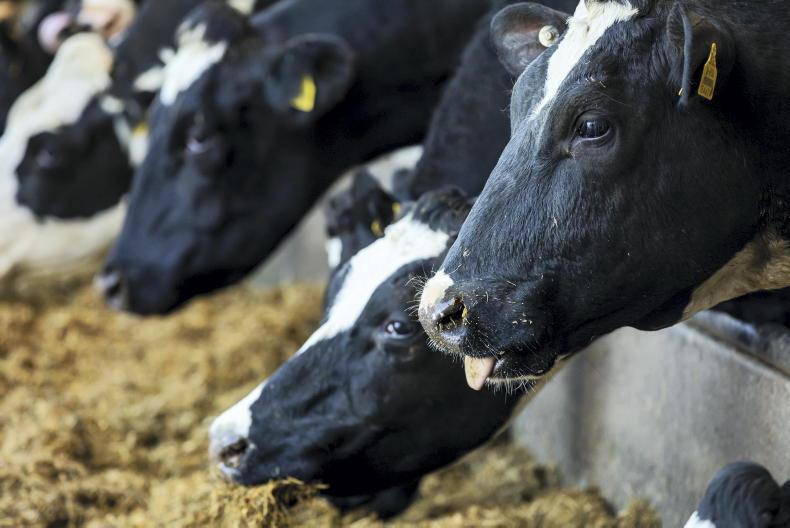
On the dairy side, a lot of farmers continue to feed silage in addition to grazing.
A lot of the reason for this is to ensure bellies are full to prevent stomach upsets and it’s hard to argue against that.
However, it is important not to lose sight of the grazing targets also.
There are 40 days between now and 10 April and for farms with very little grazing done that’s 40 days for there to be enough grass back on paddocks for the start of the second rotation.
Accelerating the amount of area grazed now will increase the proportion of the farm with higher covers in April. This means graze low covers now and leave high covers until later.
Slowing down
On farms that got ground grazed in early February they will have 60 days of growth on them by early April and so they can consider slowing down area grazed per day by going into some higher covers.
You would like to get paddocks with high clover contents grazed off by now.
Where nitrogen is available conditions are suitable on most farms for spreading but the question is should be it be spread now, or save it for later.
Brendan Horan – Teagasc Curtins Farm, Co Cork
The above figures are based on the grass only treatment. Growth has been good at 15kg/day for the past two weeks. Post grazing residuals have been 3.5cm for the last few days and ground conditions are improving each day. We have 75% of the herd calved and cows are now back out full time on a diet of 13kg of grass and 3kg of concentrates, they were getting 2.5kg silage at night last week. We have 31% of the area grazed by last Monday and we will continue to graze medium covers (1,200 -1,500) to get an additional 9% grazed by the end of the week. If conditions allow, we will hit high covers of 1,800kg to 2,200kg DM/ha next week.
Michael Quigley – Nenagh, Co Tipperary
I’ve got a massive farm cover with a huge amount of grass on the farm. I’ve never seen a winter like it with so much growth. It’s actually a bit of a problem because I have too much grass with a lot of high covers. I have 20% of the farm grazed but should have 30% to 40% grazed by now. Some of the maiden heifers are out grazing on the platform to speed things up. Cows are grazing covers of 1,800kg with 24 hour breaks and clean outs are good. The milking platform got 20 units/acre of nitrogen at end of January and I will follow the cows with 23 units/acre of nitrogen until mid-March. Ground grazed in February is getting slurry this week.
Caroline O’Neill Walsh – Ballinascarthy, Co Cork
We have 78% calved and 33% of the farm grazed. Growth rates have really taken off in the past few days and cows are back out day and night. They are coming back in at night to get a 50:50 mix of maize and grass silage. When the weather settles down they’ll just be getting maize at night. We lock the cows away from the silage after morning milking for two hours so they have an appetite when they go out to grass. Everywhere got either slurry or nitrogen already and we’ll go again with 23 units/acre of urea at around St. Patrick’s Day. We’re holding as much slurry for the silage ground as we can.
Brian Geraghty – Dysart, Co Roscommon
Ground has dried up greatly over the past few days. Land that was flooded last week is trafficable this week. I hope to get the lightest batch of heifers out to grass in the coming days.
There is plenty of grass on the farm at the moment and I’d like to start getting some of the farm grazed off.
The driest ground got 2,000gals/ac of watery slurry in late January and more will be piped out over the next week. I had planned to get lime out three weeks ago on newly purchased ground but the weather broke at that stage. I have a contractor lined up to go with 2t/acre next week.
With extra ground this year my stocking rate will be lower so less fertiliser will need to be spread.
Declan Marren – THRIVE farm, Cashel, Co Tipperary
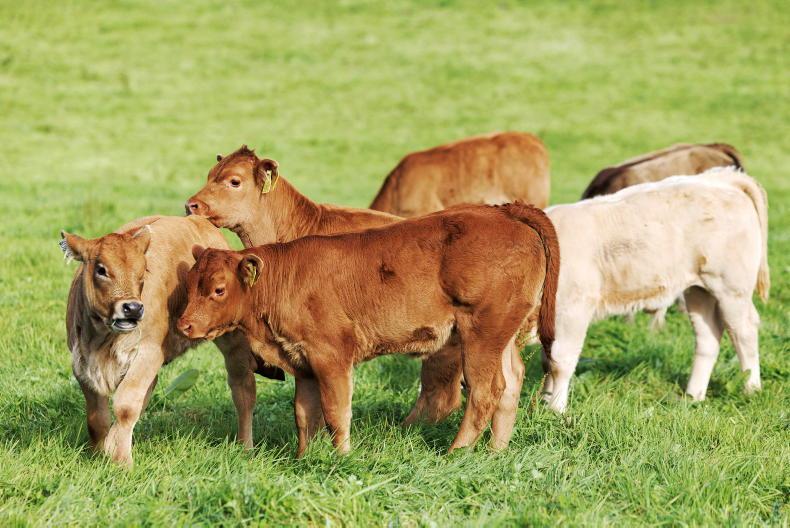
The first 43 yearling heifers were let out to grass on Tuesday at an average weight of 346kg having grown at 0.96kg/day over the winter period. They entered a cover of over 1,600kg DM/ha. There are a few heavier covers on the paddocks that were closed in early October whereas around one-third of the farm that was grazed in late autumn has an average cover of around 800kg DM/ha.
The rest of the heifers went out on Wednesday as well as half of the bullocks. The bullocks are to graze some silage ground that got slurry in mid-January which has too much grass on it to close for silage. It is hoped to graze this ground off in the next fortnight and then move all stock to the grazing ground.
Shaun Diver – Tullamore Farm, Co Offaly
I spread 30 acres with a half bag of urea on Wednesday, soil temperatures are 6.5°C consistently over the last week so I was happy to go at this stage. I need to ensure I have sufficient grass for ewes and lambs once they start lambing on 14 March.
The ewes are currently housed and eating baled silage from last year’s surplus grazing. It has analysed at 76% DMD and 14.9% protein. While they may be expensive bales to make, the quality you get it well worth it.
On Tuesday I let out 12 cows and calves to a sheltered field which has really taken the pressure off housing. Hopefully I will be able to go with another four or five in a few days’ time if weather remains favourable.



SHARING OPTIONS