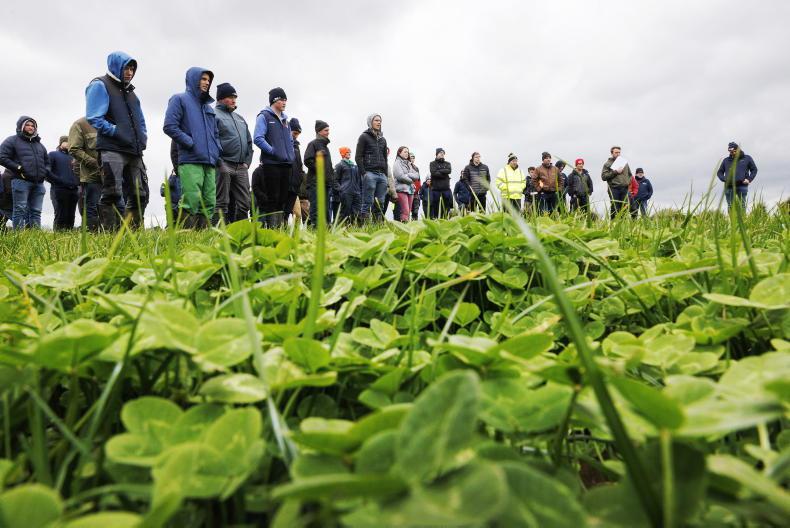
Growth rate this week is 55kg per day according to the average of the farms recording grass on PastureBase. It occasionally happens that these average growth rates seem to be underestimating what is actually happening on farms, and this week seems to be one of those times.
Many farms are reporting growth rates of 80kg per day and more. These are growth rates that would be more commonly seen in mid-May rather than late-August.
Soil temperatures continue to average around two degrees higher than normal, so this is definitely helping growth rates.
There is power in the ground to grow grass, and many farmers are pointing to the fact that this is the first time this year that growth rates are really good. One thing that is certain is that current growth rates won’t last.
Not only that, but they will drop off quicker than expected. So, farmers need to manage grass carefully over the next few weeks.
I would be very slow to cut out paddocks for silage unless you are certain you don’t need to graze it and the only way of knowing this is to have an autumn grass budget done. Being ahead of target for grass now isn’t necessarily a bad thing, because it might just mean that less supplement will be fed in September and October.
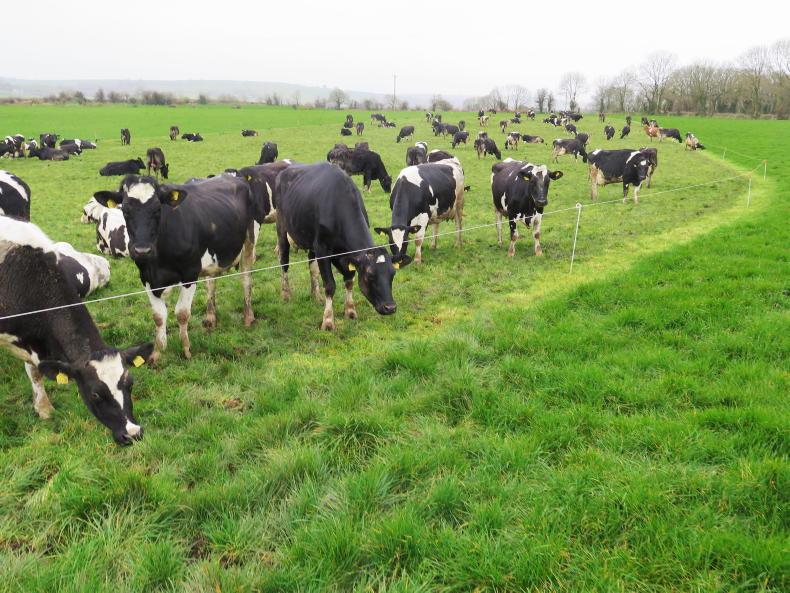
As a guide, farmers should be wading through grass by mid to late September – that is grazing covers of 2,200kg or more.
It is slightly too early to be in this position now because rotation length will be too slow, so there could be a case to be made for cutting out a surplus paddock, particularly if the stocking rate is fairly low.
Another key consideration is that the wetter farms should not be building up covers as high as drier farms. When the weather changes they will struggle to get through the area if the covers are too high.
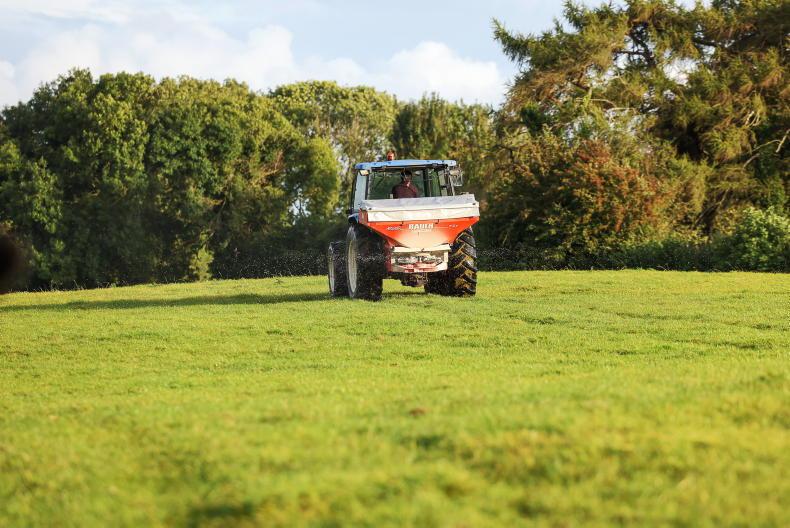
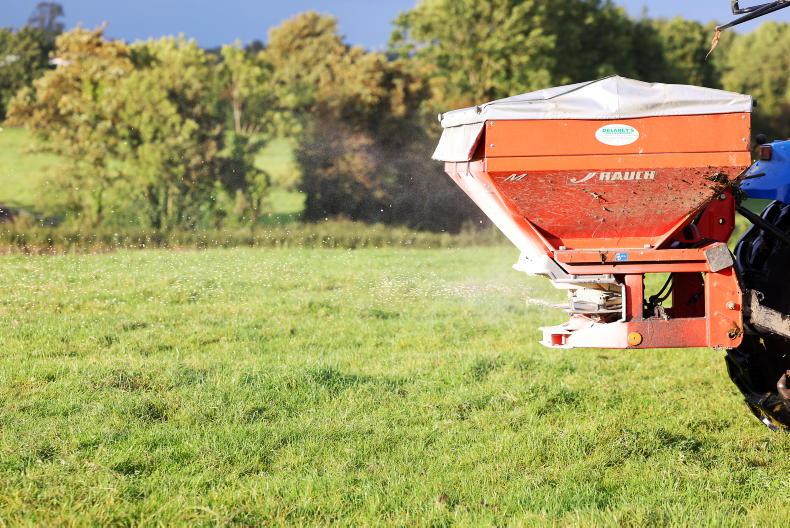
The next two weeks are the last two weeks for spreading fertiliser. Most farmers I speak to are content to spread between 20 units and 30 units per acre of nitrogen in the last round. Some are skipping high clover paddocks because they feel there is enough nitrogen being fixed by the clover.
CarolineO’Sullivan – Teagasc Curtins, Co Cork
Grass growth rates are still excellent for the time of year. I can only think of one other occasion that we were growing more than 70kg per day so it’s good.
We cut one paddock for silage last week and now the whole farm is open for grazing. The demand is only 45kg per day, so we will build grass quickly.
Our target is to be at 300kg per cow at 1 September and we are at that now, so we’re happy.
We scanned the cows last week and the empty rate was 11%, but 2% of this was for cows not bred so we’re happy enough with the results. Last round of N being spread this week.
Stocking Rate (cows/ha) 2.62
Growth Rate (kg/day) 73
Average Farm Cover (kg/ha) 776
Yield (l/cow/day) 16
Fat % 5.15
Protein % 4.06
Milk Solids (kg/cow) 1.51
Supplement Fed (kg/cow/day) 1
Chris Tuffy – Doonally, Co Sligo
Grass growth has been excellent but grass quality is only very average. This is because we struggled to get good cleanouts during the very wet weather and it was too wet to even think about topping them.
Because growth is good and because I don’t want to have too high a cover too early, I skipped over a paddock for silage and I also took a chance and reseeded another field. I put the cows into a paddock with a low cover of 1,200kg to help them clean it out better and it worked well.
I only want to have a peak cover of 950kg/ha by early October. Any higher than this will be too hard to manage on a heavy farm.
Stocking Rate (cows/ha) 3.3
Growth Rate (kg/day) 62
Average Farm Cover (kg/ha) 760
Yield (l/cow/day) 17.5
Fat % 4.89
Protein % 3.99
Milk Solids (kg/cow) 1.6
Supplement Fed (kg/cow/day) 2.5
David Gannon – Craughwell, Co Galway
I’m a little bit behind target for average farm cover but at the same time I’m happy to be where we are. We have plenty of grass ahead of the cows and they are cleaning it out well which is important as we head into the autumn.
July was very wet and we didn’t get reseeding done as planned so I put 2ha into kale and will reseed it next year. We’re practising 10 in seven milking since July and it’s going very well for us so far.
Cows are in better condition and with less lameness, particularly as we are on long walks. Teagasc is having an open day as part of the Grassland Farmer of the Year competition on 7 September at 11am.
Stocking Rate (cows/ha) 3.07
Growth Rate (kg/day) 59
Average Farm Cover (kg/ha) 859
Yield (l/cow/day) 17.5
Fat % 5.2
Protein % 4.07
Milk Solids (kg/cow) 1.67
Supplement Fed (kg/cow/day) 2
John Hally – Cashel, Co Tipperary
Conditions in Tipperary have been ideal for the past 3 weeks. Quality is good on the all swards, with lots of leafy material. We weighed the finished cattle at the beginning of August and pulled out the heifers over 470kg that we thought would finish quickest.
There are about 30 in the group currently weighing 512kg with a target to slaughter the first of these off grass in the next 3 weeks. We have started to feed these 2-3kg of ration a day. Ration is costing €395/tonne.
People unhappy with killouts have been saying the meal might help to keep performance up on the very leafy grass. There is also a draft of bullocks taken out for meal feeding. The heaviest bullocks are heading for 580kg in this group.
System: Dairy calf to beef
Soil Type: Free draining
Average Farm Cover: 1,031
Growth (kg/ha/day): 58
Demand (kg/ha/day): 48
Trevor Boland – Dromard, Co Sligo
We are a month into calving here in Sligo. It’s going well with 34 calves on the ground from 33 cows and very little intervention required.
Most cows calved outdoors and are working through covers now. We have a lot of last year’s bull weanlings sold off the farm with just a few remaining to be sold in the next few weeks.
Prices are pretty similar to last year with heavy weanlings a good trade. We got our second cut completed two weeks ago and we also took out two paddocks last week, so we have loads of silage for the winter.
We will start breeding the autumn calving cows around 15 October with about 3 weeks of breeding outdoors with the rest being bred indoors.
System: Dairy calf to beef
Soil Type: Heavy clay/Free draining
Average Farm Cover: 384
Growth (kg/ha/day): 49
Demand (kg/ha/day) 28
Chris McCarthy – Newford Farm, Co Westmeath
Our second cut was late, and that has meant everything is a running a little later than normal this year. We would usually have good bulky silage aftermaths at this stage of the year but a late second cut has meant these are scarce.
We scanned last week and we have 41 out of 42 cows in-calf. We were a little worried as our bull went lame for two weeks and we had to AI, but it all turned out ok. We gave the calves their first pneumonia vaccine when the cows were in for scanning.
We sold a few autumn calves that were out of heifers and we were really happy with the prices. We are currently deciding what we will do with this year’s bull calves with the current beef price not helping the finishing bulls case.
System: Suckler to beef
Soil Type: Free draining/Clay
Average Farm Cover: N/A
Growth (kg/ha/day): N/A
Demand (kg/ha/day): N/A