



Irish farmers and rural communities have been through a torturous week as Arctic conditions wreaked havoc on the country. While the snow may have melted and temperatures improved, the severe impact not only on farm infrastructure but farmer wellbeing is only starting to emerge.
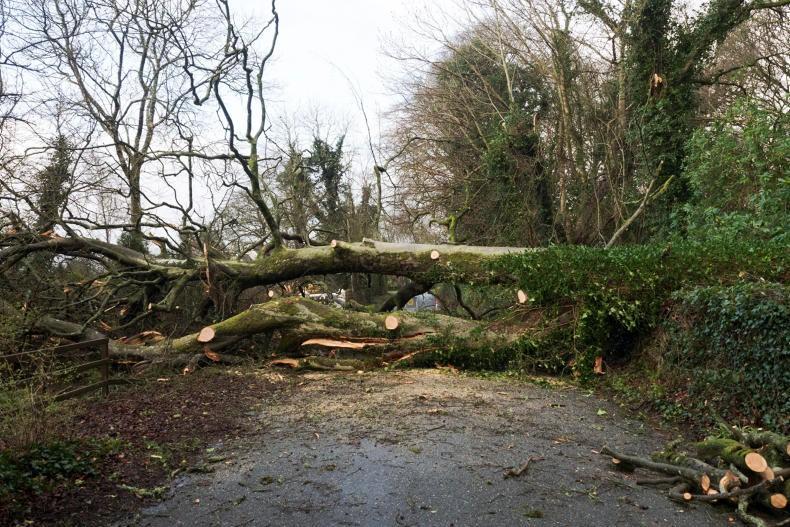
Pictures of collapsed roofs and vehicles stuck in snow drifts present a very clear visual account of the challenges that farmers faced.
But of course this only tells part of the story. The mental stress of not being able to properly look after stock and the welfare challenges this created, while a lot less visible, has taken a serious toll on farmers – many of whom were already exhausted as they reached the midway point in the calving season.
These farmers and their employees need to be encouraged to take a break – even if it is just for a day. Where extra help can be got in to facilitate this, it should be done.
It is encouraging to see that over the past few days the response to the crisis has been swift, and We report on how the country’s main insurance providers have been actively engaging with their clients.
Meanwhile, the swift action taken by Glanbia to relieve the financial stress on farmers forced to dump milk should also be acknowledged.
Continued support
However, when the focus of the media attention moves on, these farmers will not only continue to need help and support, but also a level of regulatory flexibility as they rebuild their businesses.
Given the extent of the damage and losses on some farms, there is going to be a cohort of farmers who will need financial assistance if they are to get back on their feet.
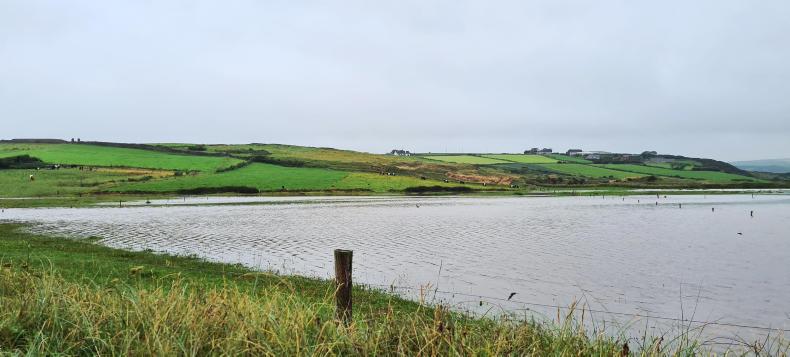
As Darren Carty reports, the Government’s Flood Damage Relief Measure, introduced in the wake of severe flooding in Donegal last year, is a model that has worked well. By supporting these farmers, there is clearly the opportunity for the Government to recognise the critical services that the farming community provided, mainly free of charge, to keep rural towns and villages accessible over the past week.
Of course, with adversity comes the opportunity for some to shine and there is no doubt that there were many shining lights within the wider farming community over the past week.
Farmers will be the first to express a sincere debt of gratitude to all farm staff that went beyond the normal call of duty to make it into work. Most could have justifiably stayed at home but instead in many cases prioritised the welfare of the animals in their care.
This mantra extended beyond the farm gate and in the same vein many of the lorry drivers that braved the treacherous road conditions could have instead parked up their trucks.
The farming community owes a debt of gratitude to those drivers who went beyond the call of duty to collect milk off farms or get feed on to farms in extremely challenging conditions.
Of course, this required workers at the mills and processing facilities to also brave the elements in order to keep these sites accessible and operational. There are also many individual instances where vets, Teagasc/private advisers and other service providers went above and beyond to support their farmer clients.
Why did farmers and all these individuals go the extra mile in the face of such challenging conditions? It wasn’t to squeeze the last bit of milk out of their cows or sell a few extra tonnes of meal. It is because at all levels of Irish farming comes an inherent commitment to protecting the welfare of animals.


SHARING OPTIONS