


As a country which exports the vast majority of what is produced on its farms, Ireland’s agricultural sector is extremely exposed to global demand and changing consumer needs as well as geopolitical and trade headwinds.
This week’s Teagasc Outlook 2026 report on the economic prospects for agriculture outlined how these factors will bring challenges and opportunities next year. The report also gave forecasts for the changes in average incomes for different farming systems next year.
Overall, those forecasts show a fall in incomes (see Figure 1 and page 9), but significantly that fall is driven by reduced output prices – particularly in dairy – rather than a substantial increase in input costs.
In fact, of the input costs, the only place there is a price rise is in fertiliser costs which are forecast to increase by approximately 10%, a rise almost entirely driven by the European Union’s implementation of the Carbon Border Adjustment Mechanism (CBAM) from the start of next year.
Continued high production of global cereals, high stocks at the end of this year, and the prospect of peace in Ukraine further adding to 2026 supplies means that feed input costs will remain subdued for much of 2026.
On the energy side, electricity costs are expected to remain stable and oil and gas prices are forecast to drop further next year, with the green diesel on average 12% lower next year.
In such a benign cost environment, financial planning should be easier for next year.
However, it seems that all the headaches will come from the output side of the equation in 2026.
Presuming that the derogation is extended, Irish dairy farm incomes will be dictated by the continued supply-demand imbalance in global markets which has driven the tumble in commodity prices seen since the middle of this year.
On the energy side, electricity costs are expected to remain stable and oil and gas prices are forecast to drop further next year, with the green diesel on average 12% lower next year
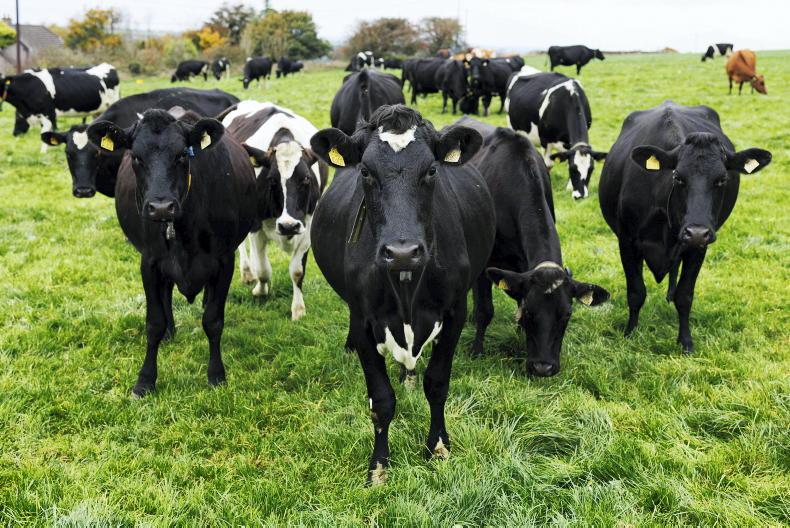
The Teagasc report says that strong international supply growth has created a glut of dairy products. In Europe, butter prices are currently close to their 2023 lows. On a wider scale, the global dairy trade auction this week saw a 4.3% drop, taking the reversal since the May 2025 peak to 21%.
Right now, nobody is forecasting a rapid turnaround in dairy prices, which is bad news for the Irish system which sees milk production concentrated in the first half of the year.
With Irish milk output forecast to be little changed next year, we have to look far beyond our borders to see where the extra supply is coming from.
The biggest offender right now is the US, where milk supplies have grown by more than 2% this year and are expected to increase more in 2026.
This expansion of output, coupled with the weaker US dollar against the euro means that there is more US product on global markets which can withstand lower prices than European producers.
The one bright light for dairy is the increased demand for whey protein products, which is expected to grow by 6% every year to 2030. However, investments in increasing production of high-quality, valuable, whey protein isolate (WPI) will take some time to come on stream. The recently announced Tirlán €126m investment in WPI production isn’t expected to start production until 2027.
While the reduced costs of feed are good news for farmers where that is an input cost, it adds further pressure to Ireland’s tillage sector.
Like dairy, there is little sign of a turnaround in prices with 2026 starting with a supply overhang from 2025. Also like dairy, this leaves tillage farmers hoping that supply in other parts of the world starts to fall off in order to bring the supply-demand equation back into equilibrium at a price where it is profitable to grow crops in this country.
One place where there is optimism about prices for 2026 is in the beef sector. Unfortunately, as explained on page 26, much of the higher prices in beef are from a lack of supply both in Ireland and the wider EU. Latest data from the Department of Agriculture shows that there are 130,000 fewer cattle on farms in Ireland on 1 October than there were a year earlier.
Beef production in the US remains at multi-year lows, meaning there is no prospect for producers there to take advantage of a weaker dollar to boost exports.
Right now, there are signs that Northern Hemisphere imports from Southern Hemisphere producers are increasing, but that pace remains well below the level needed to replace the drop-off in European and American production. Significant changes to trade flows take a long time to gain a firm footing, and with recent problems with Brazilian quality highlighted in this publication, some of those flows might take a long time to get going.
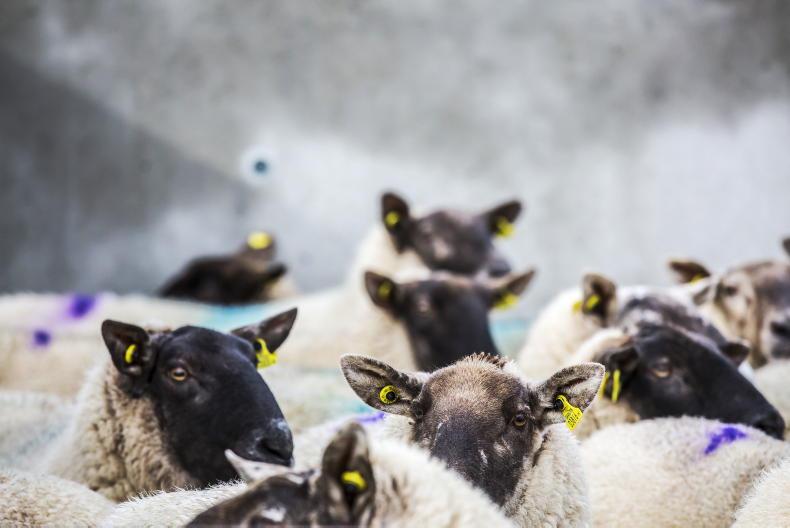
The high prices for beef, and to a lesser extent, sheep, have done nothing to increase output in Ireland.
This is good news for prices for individual farmers who have stock to sell and can take advantage of the current strong prices, but if the fall in output becomes a structural issue, then it will likely have knock-on effects for market share in places which have traditionally purchased Irish products.
Comment
This week’s Teagasc outlook for 2026 is a good report in showing where the Irish farming sector is at the moment, and what might be coming next. While any prediction about the future of market prices is, at best, an educated guess, there are some trends highlighted in it which are useful to farmers making plans for the coming year.
The expectation that input prices will remain relatively subdued is certainly good news. But it is also clear from reading the report that the world is facing into next year with too much milk and cereals and not enough beef or sheepmeat. Neither of those are trends that Ireland can do anything about. For individual farmers in the dairy and tillage sector, 2026 is looking like a year of belt-tightening. Dairy farmers are probably, in the main, in a better place financially to manage a drop in incomes after a strong 2025 than those growing cereals for a living who are coming off a year of low prices.
However, the good news is that when we stand back from the vagaries of month-to-month changes in supply and demand, we can see that the overall level of global demand for food will continue to rise, driven by both the growth in global population and the rise in global incomes.
What Ireland’s agricultural industry, as a whole, needs to do is to make sure that this country remains positioned to be able to take advantage of that inevitable growth in demand.



SHARING OPTIONS