



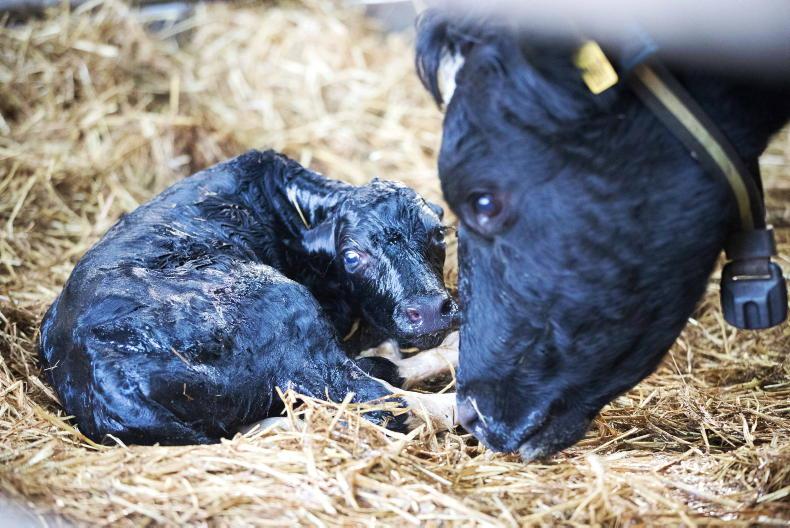
“In order to deal with the labour shortage on farms, I definitely think the responsibility is on the farmer to have everything organised, so whoever is coming into work for you that their life is as easy as possible and that they don’t go home wet and they don’t go home dirty.
"We need help from eight o’clock in the morning until six o'clock in the evening; we’ll look after the rest ourselves.
"Once it comes to six o’clock, it’s important that no matter what is not done, the worker should go home.
“We definitely rely on the farm relief to help us get labour, especially for this busy time of year. This year we have a very good person who comes from a farm so he really hit the ground running."
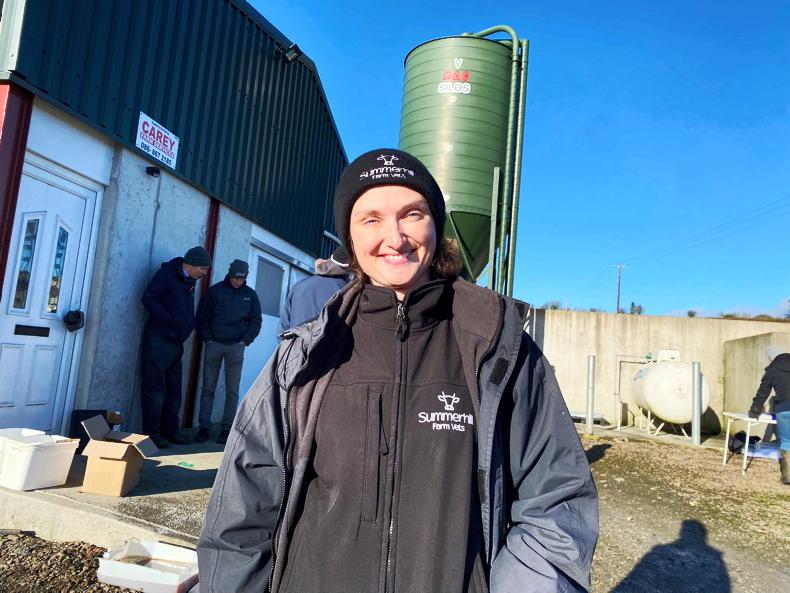
"I'm from a dairy farm myself and from being on farms every day, there's not many farms that can say they're happy with the labour they have.
"For me, a lot of my recommendations involve work which involves time and it's very difficult to achieve better animal outcomes when there aren't enough people on the ground.
"However, I do hear of lots of farmers getting workers in from abroad from the likes of the Philippines and eastern Europe. However, the visa process seems to be very laborious."
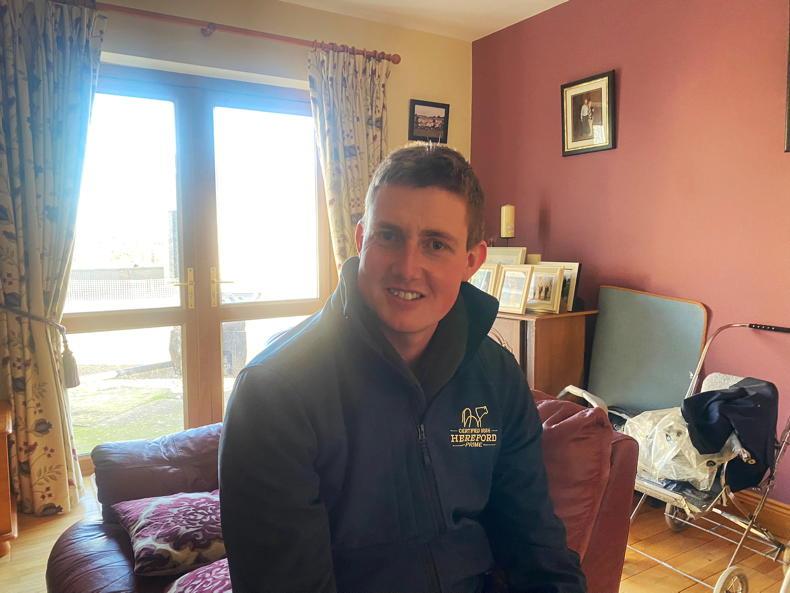
"The new nitrates banding won’t really affect me, I’ve 100 cows and I'm in the middle banding because I carry so many dry cows.
"We fatten a good few every year and they're in the herd until June or July, so they're taken into account as well. This year, we're back feeding whole milk too.
"In the short run, if there's an end to exports, it won't really affect us that much because my dad runs a beef farm up the road and buys all the beef calves and Friesian bull calves and fattens them up there.
"In the long run, it might affect us because it'll mean there'll be more cattle in the country by the time he's ready to kill."
"There's plenty of pension-age farmers still milking cows who you'd imagine if they got paid to get out, they would. It would free up a lot of things, especially land."
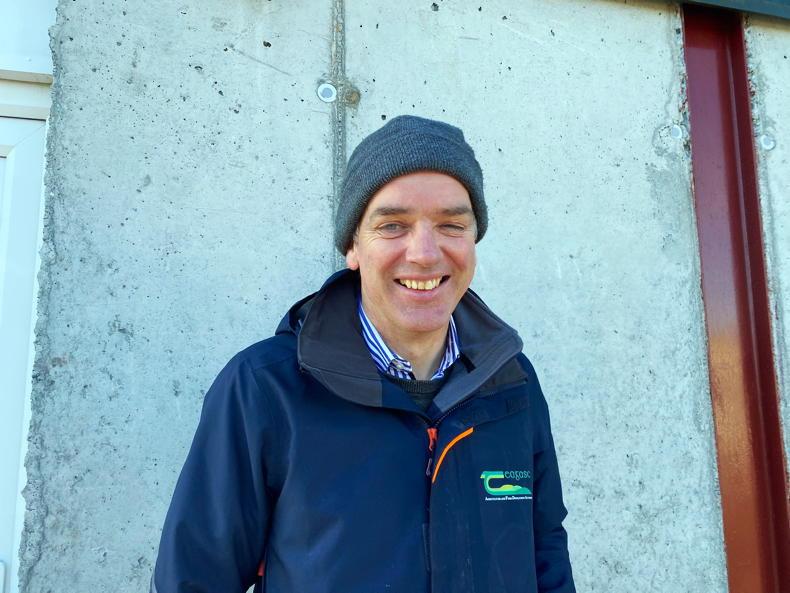
"It is very hard to get labour on farms at the moment, they just don't seem to be there. The biggest thing at the moment seems to be having accommodation for them.
"I'd take someone with very minimal skills over experience any day. As long as their attitude is right and they're reliable.
"A dairy exit scheme, from a co-op point of view, is probably a bad thing, but from a farmer point of view, it's probably a good thing because it's the next best thing to a retirement scheme.
"If it'd free up land for the younger generation who might not even want to expand more cows, just to hold the numbers they have, they'll need more land. There's loads of land tied up and it's not being farmed.
"The nitrates banding won't affect my core business, which is dairy. I have beef as well, so if something had to go, I could reduce my beef business.
"There's huge losses for farmers who are highly stocked and in the high band and the penny is only starting to drop with a lot of people now."


SHARING OPTIONS