A liver with evidence of fluke. The tissue should be healthy pink consistency.
ADVERTISEMENT
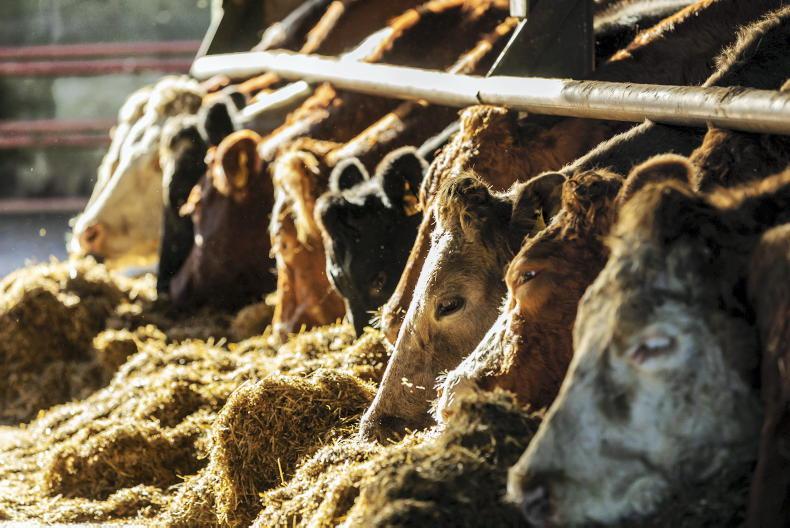
Animal Health Ireland in conjunction with Teagasc have brought out a series of Beef HealthCheck videos on key aspects of beef animal health around housing time.
Week one looks at the importance of interpreting faecal egg count results. Many beef farmers will have taken dung samples in recent weeks in conjunction with the BEEP-S scheme action.
It is important for farmers to use this information to make informed decision in relation to dealing with any liver- or rumen-fluke issues.
ADVERTISEMENT
In this video, Dr Orla Keane, based in Teagasc Grange states that the results of the faecal egg test should be used in conjunction with other key factors such as animal production or thrive as well as weather and the historic level of fluke incidences on the farm in question.
Dr. Keane also emphasises the point that a negative liver fluke test result may not mean that the sampled animals have no fluke present as it can take 10 to 12 weeks for the liver fluke to mature in the animal and begin to start shedding eggs in the dung. If the sample is taken prior to the start of egg shedding, the result could be negative although fluke is present in the animal.
Rumen fluke
If a positive test result for rumen fluke is detected Dr Keane says it is worth noting that rumen fluke is a common parasite in Ireland and its prevalence seems to be increasing across the country. The rumen fluke test will detect eggs laid by adult rumen fluke in the animal. In general beef cattle have a high tolerance level to mature rumen fluke. Disease related to rumen fluke is typically associated with immature fluke in the intestine of the animal. These fluke do not lay eggs and therefore will not be detected in a dung sample.
In all instances it is best to consult with your vet with regards to best course of action in relation to your herds faecal egg test result.
Register for free to read this story and our free stories.
This content is available to digital subscribers and loyalty code users only. Sign in to your account, use the code or subscribe to get unlimited access.
The reader loyalty code gives you full access to the site from when you enter it until the following Wednesday at 9pm. Find your unique code on the back page of Irish Country Living every week.
CODE ACCEPTED
You have full access to the site until next Wednesday at 9pm.
CODE NOT VALID
Please try again or contact support.
Animal Health Ireland in conjunction with Teagasc have brought out a series of Beef HealthCheck videos on key aspects of beef animal health around housing time.
Week one looks at the importance of interpreting faecal egg count results. Many beef farmers will have taken dung samples in recent weeks in conjunction with the BEEP-S scheme action.
It is important for farmers to use this information to make informed decision in relation to dealing with any liver- or rumen-fluke issues.
In this video, Dr Orla Keane, based in Teagasc Grange states that the results of the faecal egg test should be used in conjunction with other key factors such as animal production or thrive as well as weather and the historic level of fluke incidences on the farm in question.
Dr. Keane also emphasises the point that a negative liver fluke test result may not mean that the sampled animals have no fluke present as it can take 10 to 12 weeks for the liver fluke to mature in the animal and begin to start shedding eggs in the dung. If the sample is taken prior to the start of egg shedding, the result could be negative although fluke is present in the animal.
Rumen fluke
If a positive test result for rumen fluke is detected Dr Keane says it is worth noting that rumen fluke is a common parasite in Ireland and its prevalence seems to be increasing across the country. The rumen fluke test will detect eggs laid by adult rumen fluke in the animal. In general beef cattle have a high tolerance level to mature rumen fluke. Disease related to rumen fluke is typically associated with immature fluke in the intestine of the animal. These fluke do not lay eggs and therefore will not be detected in a dung sample.
In all instances it is best to consult with your vet with regards to best course of action in relation to your herds faecal egg test result.
If you would like to speak to a member of our team, please call us on 01-4199525.
Link sent to your email address
We have sent an email to your address. Please click on the link in this email to reset your password. If you can't find it in your inbox, please check your spam folder. If you can't find the email, please call us on 01-4199525.
ENTER YOUR LOYALTY CODE:
The reader loyalty code gives you full access to the site from when you enter it until the following Wednesday at 9pm. Find your unique code on the back page of Irish Country Living every week.






SHARING OPTIONS