


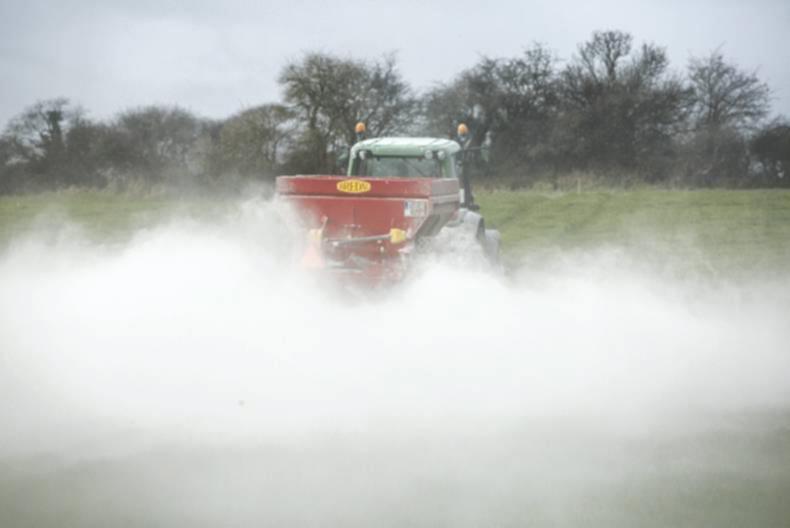
Only 10% of grassland fields have optimum fertility to maximise grass growth. This was one of the messages from Teagasc’s fertility trend study in 2014.
The statement is based on the soil sample results submitted through Teagasc for testing. These results may be even better than the national average, given that many of the samples were submitted by better farmers looking for a derogation on nitrates.
The results were presented at the Fertilizer Association meeting earlier this week by Mark Plunkett of Teagasc. The assessment is based on the number of the total samples that were below optimum for either pH, P or K levels in the soil test. And the greater worry is that this situation is ongoing.
For grassland, Plunkett reported that 67% of samples had a pH below 6.2 and 50% were below 6.0, where the target optimum is 6.3 pH.
The situation with tillage samples was broadly similar, with 60% less than the optimum 6.5 pH.
With regard to phosphorous, 55% of the grassland samples tested are still in Index 1 or 2, which are regarded as below optimum. Similar numbers apply to samples from tillage fields. It is worrying that the proportion of grassland samples at Index 1 has doubled in the past six years on grass farms (moreso on drystock farms) but the proportion of samples at Index 1 in tillage appears to be decreasing.
The situation with soil potash levels is broadly similar to that of phosphate, as both elements tend to be applied together or not at all. About 50% of grassland samples are in Index 1 and 2, with 45% of tillage samples in these categories.
These assessments are based on the soil samples submitted for testing through Teagasc. Mark commented that the general sub-optimum fertility is hitting production potential on farms around the country. This is a direct cost on farmers and agricultural output on an annual basis.


SHARING OPTIONS