



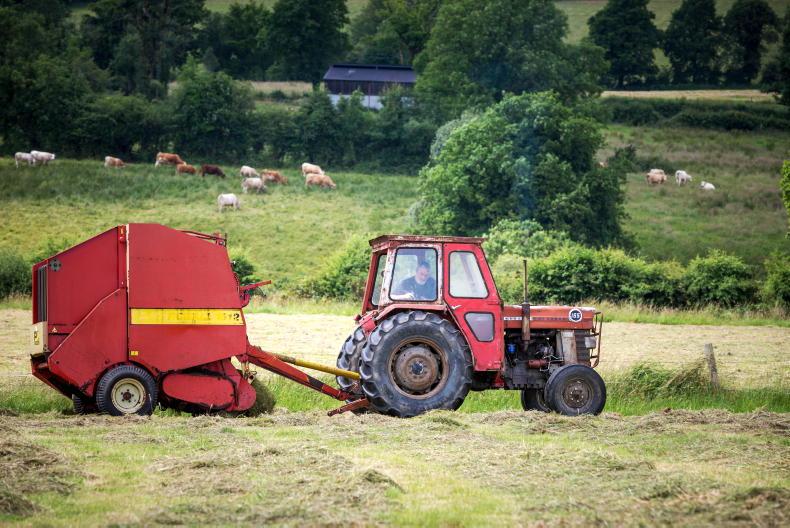
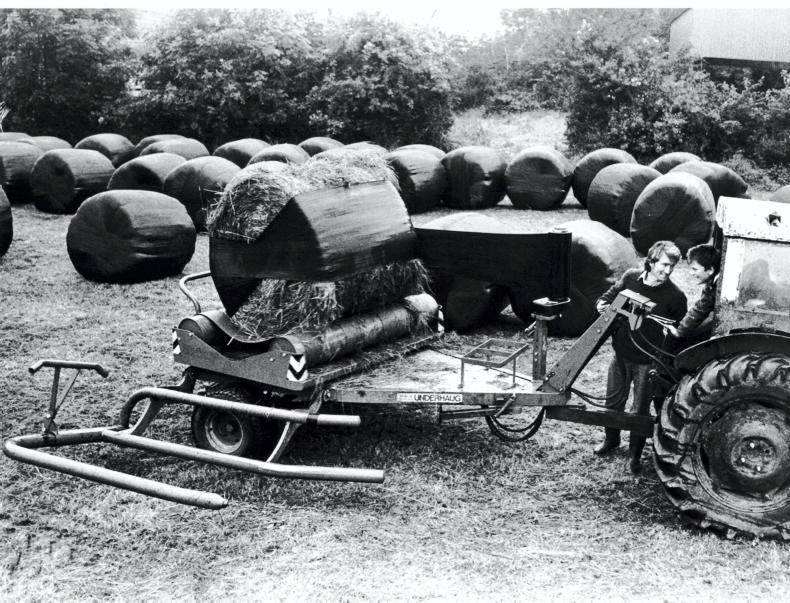
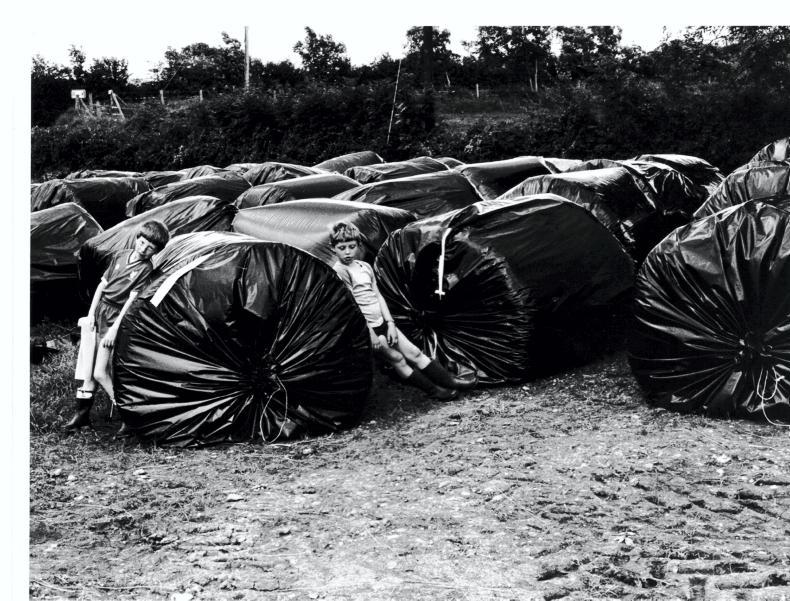
The development of baled silage in the 1980s was the first really novel change in a complete farming system for a generation.
Most other mechanisation developments are evolutions of earlier systems, but the packing and wrapping of individual silage bales was unique.
The development has been quite rapid, but are we at the peak of its evolution now?
What further developments are needed or likely to occur?
The beginnings – a summary
1. Mowing, tedding and raking
While developments in mowing are mentioned in a separate article, a few specific points on baled silage are considered here.
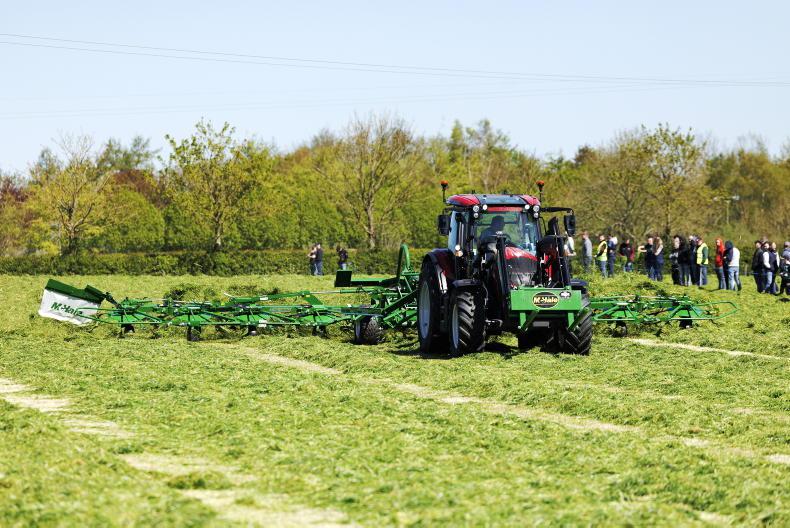
Who teds and rakes? In the early days of baled silage, some or all of the mowing, tedding and raking were carried out by the farmer.
Now much of this is done by a contractor. While this may be cost effective and result in better swath presentation for today’s high-capacity balers, it can remove a key silage quality-control element.
Wilting should be rapid and controlled to avoid losses and to get to the desired dry matter level to guarantee preservation, eliminate silage effluent and reduce bale numbers (and associated baling, wrapping and transport costs). Wilting must be rapid and coordinated with baling.
Mower conditioners: Mower conditioners can set up a good swath with improved transfer of moisture from within the swath, but drying rate depends primarily on the width of swath compared to the area cut.
For low-yielding crops (grazing paddock or second cut) in good drying, a mower conditioner alone set to occupy over 60% of the cut area (eg 1.7m wide swath from a 2.7m mower) may achieve a satisfactory wilt. But where grass is heavier, spreading the grass to 100% with the mower or tedder will be needed for fast wilting.
Over-the-top tedders will promote drying by redistributing and aerating the material in the swath, but the drying rate is still mostly influenced by how thinly the grass is spread.
Raking and swath size: Modern high-capacity balers with good feed intakes can cope with big swaths of grass.
However, the aim must be to pack the bale as well as possible by balancing output with a slow enough speed for the swath size that guarantees a well-packed bale.
2. Baling
Round balers suit silage well as the bales are easy to wrap and they are cheaper to operate than large square/rectangular balers. Today’s balers have more durable drivelines to cope with the higher power of today’s tractors. Feed intakes have improved with good chopping systems and blockages more easily cleared ( drop-floor systems etc).
Electronic monitoring and control of key functions, including the complete wrapping system on combi-balers, is now a feature of all balers. Some balers can automatically steer and control their left/right position on the swath in response to the density measurement at the baler sides.
From a farmer perspective, the key baling target is to get as much grass DM packed into a bale as possible as this will influence most costs associated with baled silage.
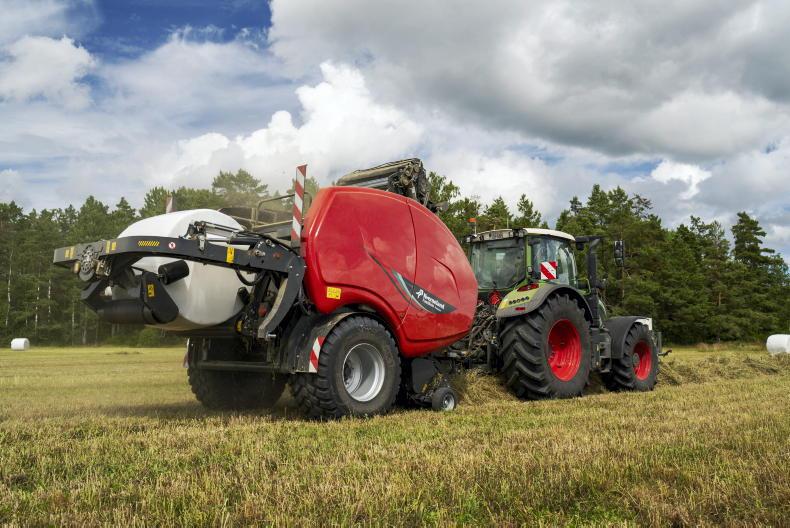
The big drawback of traditional round baler design is that baling stops to allow netting/binding and bale ejection or transfer to the wrapper element. Manufacturers have been working on two chamber designs for years to overcome this, with Kverneland (fastbale) being the most prominent on the market.
This is marketed on a baler/wrapper combi unit, allowing non-stop baling and wrapping, increasing output and easing the task on the operator and tractor.
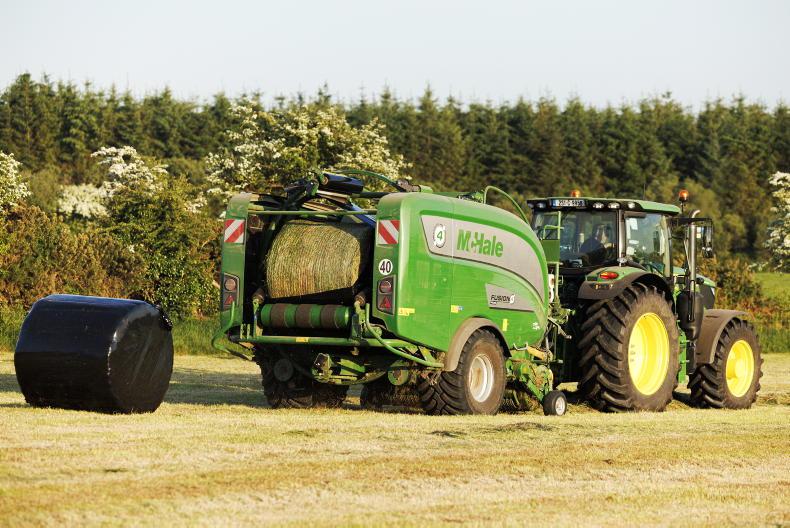
Combi-wrapping: Most silage baling today is by combined baling and wrapping units, saving labour and allowing one person to do both operations. Initial combinations trailed an auto-loading wrapper behind a baler.
All baler and wrapper manufacturers now have integrated ‘combi’ machines with McHale leading the market in Ireland and across many countries. Newer units now incorporate film on film wrapping, which is logical as it provides an additional oxygen barrier film to bind the bale.
However, this was not easy to develop, with current designs using quite a bit of film in a narrow tail at the start and end of binding.
Wrappers: Wrappers, or the wrapping component on combi machines, have settled for some time on 50% overlapping with 70% pre-stretch, as efforts to use pre-stretched films etc produced a lot of confusion.
We should be open to improvements here, but independent research would be needed to validate any alternative approach (film type, thickness, later number stretch etc).
3. Bale handling and transport
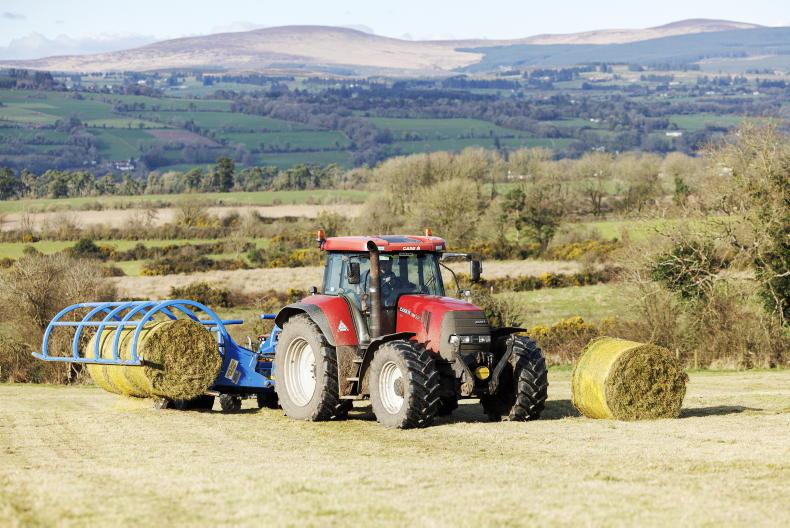
Bale handling and transport is labour intensive and a source of damage to wrapped bales. Single-bale transporters are still used on small farms. Double-rear bale transporters coupled with a front-loader handler can efficiently transport and stack bales where the storage area is adjacent to the silage field.
For greater distances, the original practice of loading and unloading flat trailers has increasingly been supplemented by the chaser-type trailed bale transporters that can lift, carry and drop up to 12 bales at a time.
These trailers need a lot of space to work around the storage area and great care is needed to avoid film damage in loading, unloading and stacking.
Bales must be transported within hours of being made to avoid bird damage and particularly film damage when bales become misshapen.
With all systems, film damage in the field, while handling, or in storage is not uncommon and there is a need for improvement.
Storage site wrapping, where bales are transported before wrapping, and wrapped where stored by either a remote controlled stationary wrapper or a loader-mounted wrapper, can result in reduced handling and film damage risk. However, this system is less attractive to contractors as it would need a very well-structured transport system.
Further developments in baled silage
The biggest threat to the baled silage system may be the perceived sustainability of the polythene wrapping, along with the cost of the film.
It is imperative that the circularity of the recycling system is clearly displayed, with all baled plastic recycled into as high a grade second-use as possible.
Polythene use can only be reduced by packing more grass DM into each bale, so the pursuit of bales with more silage in them is important.
Alternatives to fossil-fuel-based wrapping polythene are feasible, but developing a suitable product for this use will be challenging and expensive.
Clamp silage for small quantities
There is no doubt that baled silage proved a great ‘disruptor’ to conventional silage as it virtually eliminated all lighter silage cuts (second cut, additional paddocks etc) as well as picking up all of the silage on smaller farms.
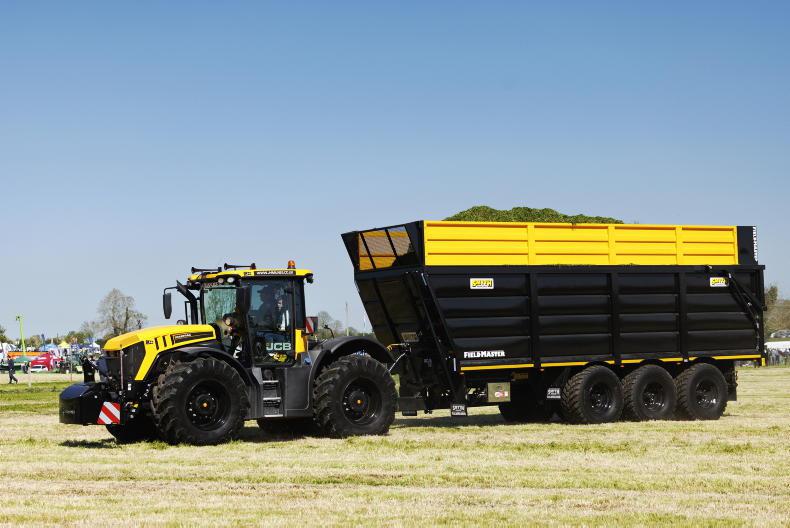
If polythene cost and use became a more serious issue, conventional silage could regain some of the baled silage market. But to do that, the clamp silage system would need to have:



SHARING OPTIONS