



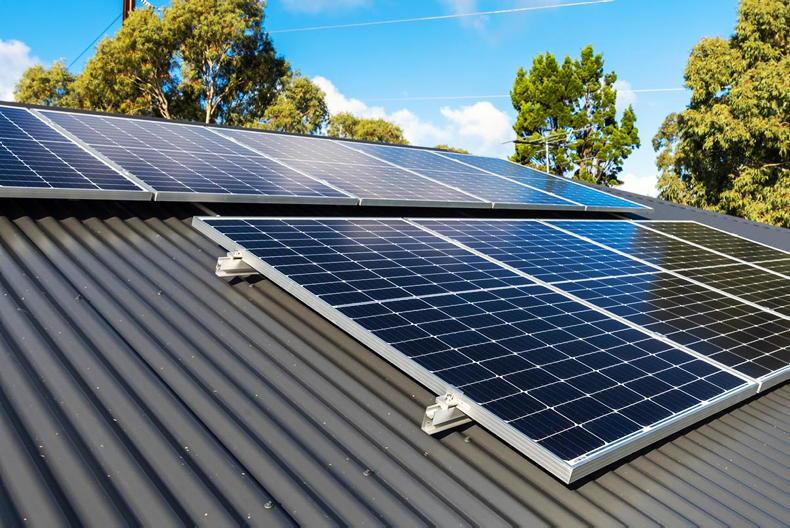
Stakeholders and partners from the EU AgroRES project descended on Rome this week for the final conference of the Interreg Europe-funded programme.
Like Ireland, farmers across Europe are under pressure to must further adopt renewable energy technologies in order to reduce farm emissions and contribute to national and European decarbonisation target.
The agricultural sector accounts for almost 10% of greenhouse gas emissions in the EU, mainly for food production and transport.
While there is an enormous potential to produce renewable energy on farms due to the availability of wind, sun, biomass and agricultural waste, significant barriers and challenges remain.
Renewable energy
In 2019, the €1.5m EU project AgroRES was launched and aimed to develop measures to encourage the production and use of renewable energy in the agricultural and rural sector.
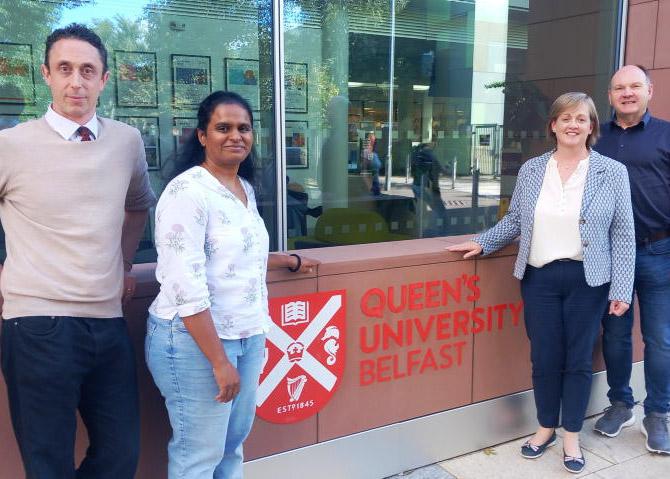
Eight partners from seven countries were involved with the project, including Atlantic Technological University and the Northern and Western Regional Assembly from Ireland.
Ireland
The Irish element of the project first identified a number of useful practices already in place in across the countries of the project partners and determine what could be used in Ireland.
One of the key deliverables from this project was the development of a simple solar PV toolkit and guidance documents to help farmers understand the feasibility, the cost and the return of this renewable technology on farms.
They also developed a toolkit and advisory service specifically for solar PV technology and batteries for dairy farmers. Here, energy monitor devices are installed on farms to inform the size of the solar system required. They are also designing a similar toolkit for pig, poultry, horticulture and any large heat user for the use of biomass.
The project team also developed an independent advisory service for the agricultural sector to inform and train farmers and farm advisers on renewable technologies. Some 31 farmers and farm advisers have been trained to date in solar PV and biomass technology with 14 currently being trained.
Talking to the Irish Farers Journal, Mel Gavin, ATU, said they would like to keep this advisory service going but need training partners in order for it to continue. They are currently exploring establishing new energy agencies in the Northwest to help deliver this.
AgroRES outcomes
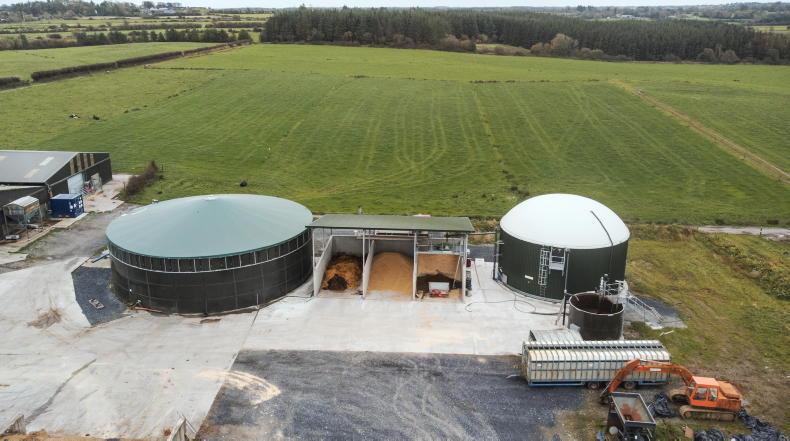
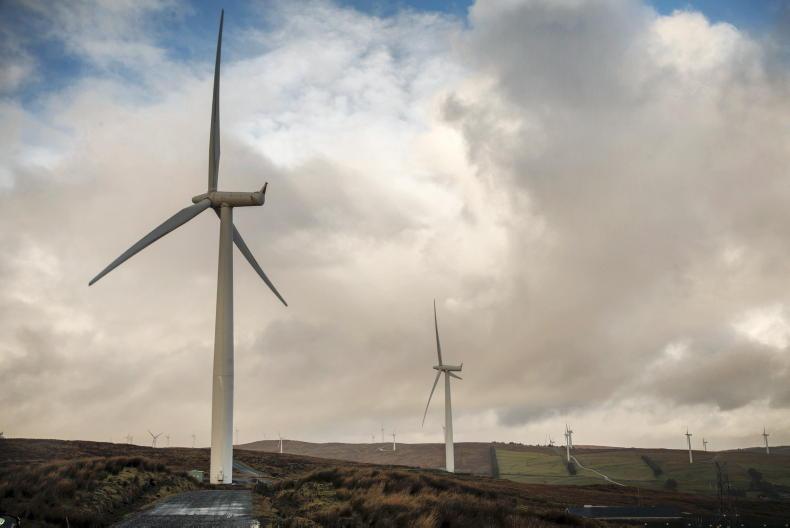
The project focused on multiple technologies on farms across Europe including solar PV, biomass, biogas, hydro and wind. Seven action plans were produced by the partners along with 22 good practices documents as part of the project. AgroRES also saw six regional events hosted across Europe and involved 113 stakeholders.
More to follow in the Irish Farmers Journal and more information on the AgroRES project can be found here https://projects2014-2020.interregeurope.eu/agrores/



SHARING OPTIONS