



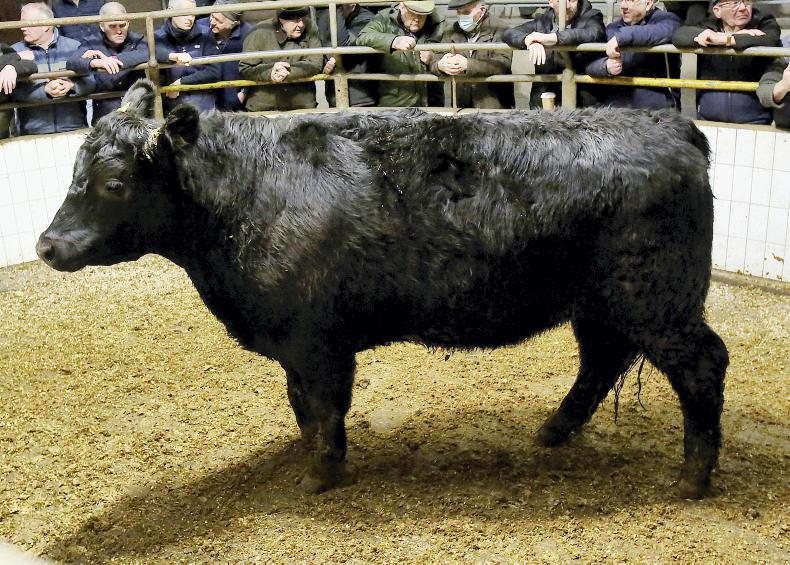
The weather might have turned towards cooler temperatures this week, but if you want to get warmed up, head into a mart in the next few days.
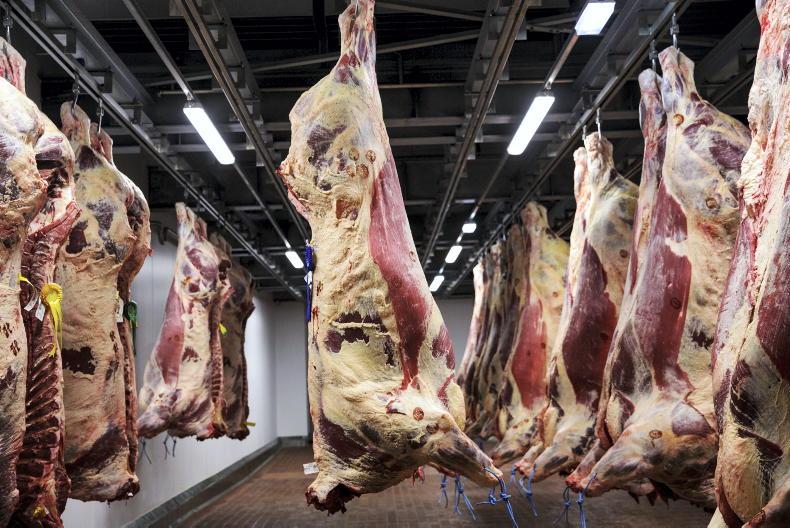
The trade for heavy cattle in particular continues to be very solid, with factory agents still fighting it out for factory-fit cattle.
Numbers of factory-fit and forward-store cattle coming out to marts continues to be strong, with some farmers choosing to offload a little earlier than other years.
Staring at meal costs heading for €400/t has sharpened the decision-making process on some farms and has led to cattle being moved earlier.
This is coinciding with a massive demand from factories for finished cattle, so is working well for everybody.
Top end
Top-end bullocks continued to improve this week, with the top third of bullocks in the 600kg-plus category hitting €2.92/kg this week, an exceptional price for heavy animals.
Poorer Friesian stores were a little easier in marts, with 400kg to 500kg Friesian stores coming in around €2.10/kg and lower in some marts. Heifers continue to perform very well, with average-quality heifers in the 500kg to 600kg bracket hitting €2.59/kg this week.
Weanling bulls were a little easier, especially at the high end of the market, while all categories of weanling heifers saw an improvement this week.
Lighter weanlings are going really well, with €3.08/kg being the average price paid for the top third of weanlings in the 200kg to 300kg category.
Dry cows continue to be an exceptional trade also. MartBids analysis sees prices up 5c to 10t/kg in some marts.
Continentals
Young heavy continental cows continue to outperform plainer heifers on a per-kilogramme basis, depending on who is around the ring.
The top third of cows last week hit €2.33kg, but as high as €2.60/kg has been paid for the right type of cows.
Calf problems remain
Real problems remain with calves and a bad weather forecast for high seas with wind next week looks like boats will struggle at least for the early half of the week.
There is a very wide gap opening up between good calves aged three to four weeks of age and very light dairy bull calves at 14 days of age. Many of these younger calves are returning home unsold.
Speaking to mart managers, they are encouraging dairy farmers to hold on to calves until they are at least 50kg, but facilities on some dairy farms don’t allow for this.
Seeing very young calves being sold for the taking doesn’t do anybody in the beef or dairy industry any good.
Slaughterings
There has almost been an extra 2,000 calves slaughtered in 2022 when compared with the same period in 2021, with 13,398 calves slaughtered so far in 2022. Is this the answer to dairy calf quality issues?
On the other hand, good-quality Hereford and Aberdeen Angus calves are a real solid trade, with as high as €350/head being paid for good-quality calves from four to five weeks of age.
Good, square, healthy Friesian calves are also hitting €100/head and over it in some marts.



SHARING OPTIONS