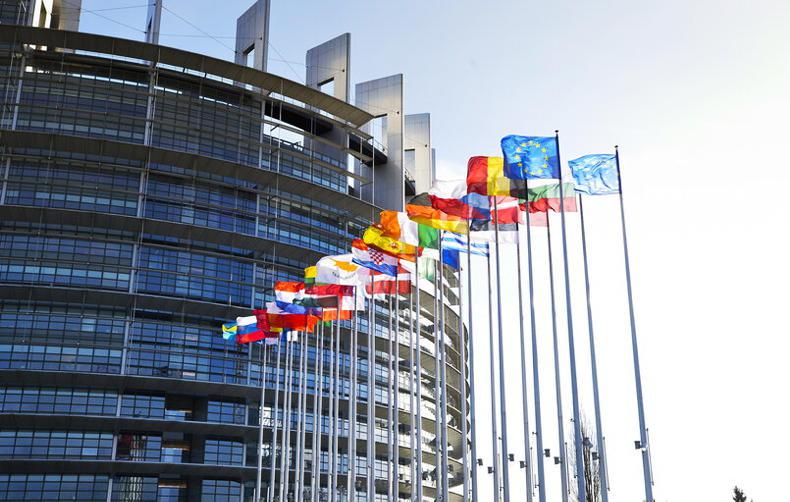
The European Parliament will push to roll back on proposals to impose industrial emissions rules on the EU’s livestock farms after MEPs voted on Tuesday in Strasbourg.
MEPs voted to take the position that cattle farms should remain outside of EU industrial emission rules, and that the rules should only apply to piggeries with more than 750 sows and poultry units with over 40,000 birds.
These are the current thresholds in place for the pig and poultry sectors for when Environmental Protection Agency (EPA) permits are needed to operate.
These licenses set out what environmental protection measures are being implemented to reduce pollution and emissions, such as ammonia and greenhouse gases.
Tuesday’s vote gave the position that the European Parliament will take in final trilogue negotiations on industrial emissions.
Rollback
The MEPs’ position represents a significant rollback from what the European Commission had proposed last year when it kicked off the revision of EU industrial emissions rules as part of the Green Deal.
The Commission wanted all cattle farms larger than 150LU to fall into the industrial emissions licensing regime.
EU farming ministers agreed their position in March of this year. They will look for the licensing threshold to be 350LU when final trilogue negotiations begin.
The ministers also said that grass-based cattle farms should not need licensing, but that this flexibility would only be dependent on the farm having a stocking rate of 2LU/ha or less.
‘Common sense’ prevails
IFA president Tim Cullinan welcomed the European Parliament’s call to push back against the 150LU proposals, which would have affected many Irish beef and dairy farmers.
“Farms are already heavily regulated and they are not ‘industrial’ units,” the IFA leader commented from Strasbourg.
“We have a pasture-based system in this country. This was driven by ideology, not science, and it’s the ‘thin end of the wedge’ to force a costly licensing regime on farming.
“COPA, the European farm organisation, of which I am the vice-president, and IFA have been running a strong campaign at EU-level to protect family farms since the proposals first appeared last year,” he said.