


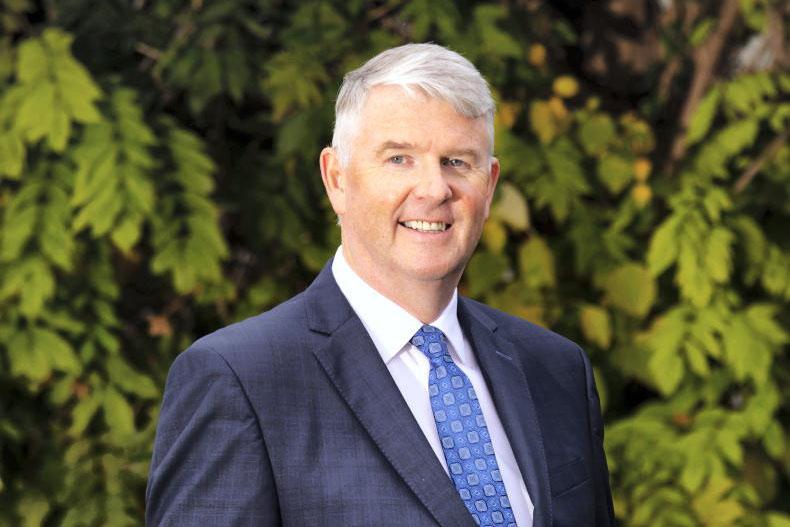
“We have been supporting milk price since September, and will continue to do so,” Tirlán CEO Jim Bergin told Wednesday’s regional supplier meeting in Dungarvan.
He said that milk prices are under pressure, with high prices leading to “a bubble” of increased production across Europe, with a parallel demand burnoff. Nonetheless, prices will still be “historically high”, he added.
“We’re happy to argue that people in the developed world should pay more for food,” Bergin said, “But 70% of people globally earn $10 a day.”
Bergin addressed calf welfare, saying: “If you produce a calf, it’s a live animal and you must take care of it.”
He described ICOS opposition to calf slaughter as representing the view of most farmers “that it has to stop”.
Tirlán chair John Murphy described the decade-long Glanbia Ireland joint venture as “a great success, a huge investment in infrastructure and people”. The co-op is “back on our own again, in a very strong position, still is the largest investor in the plc, with a 28% shareholding, despite spin-outs of €900m. Murphy apologised for the August milk statement debacle, saying that 94% of the statements had been returned.
“Peak restrictions are all gone. We’re open to new entrants,” Murphy added, with 73 new entrants this year.
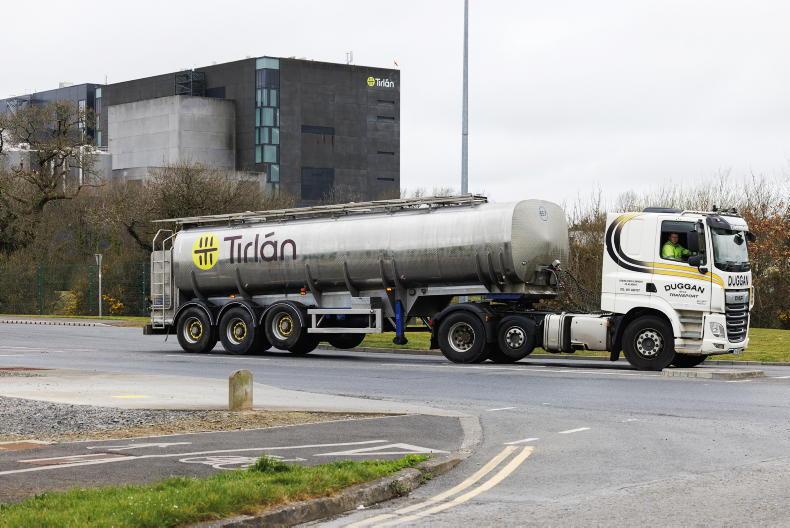
Murphy also announced an €11m investment in the co-op’s 52 branches “to future-proof its agri, retail and garden centre services in rural communities across 11 counties”, alongside the Tirlán rebrand.
On fertiliser, Glanbia’s John Kealy said that while the market is waiting for wholesale prices, current indications suggest CAN may be €810/t to €830/t, with urea and compounds about €120/t more.
Fixed milk price schemes dominated questions from the floor, as farmers publicly challenged Tirlán for the first time since the 2022 AGM.



SHARING OPTIONS