A recent High Court decision that has indicated that rates must be paid on cooled potato and vegetable stores has “potential significant implications” for the horticulture sector, Minister for Agriculture Martin Heydon has said.
Minister Heydon’s position on the High Court ruling that the cooled storage of fresh farm produce amounts to a ratable activity was raised by independent Senator Victor Boyhan.
The Minister said that the changed interpretation of which horticulture buildings are exempt to existing rates legislation stems from a new view taken by the courts on whether cooling vegetables constitutes a processing activity.
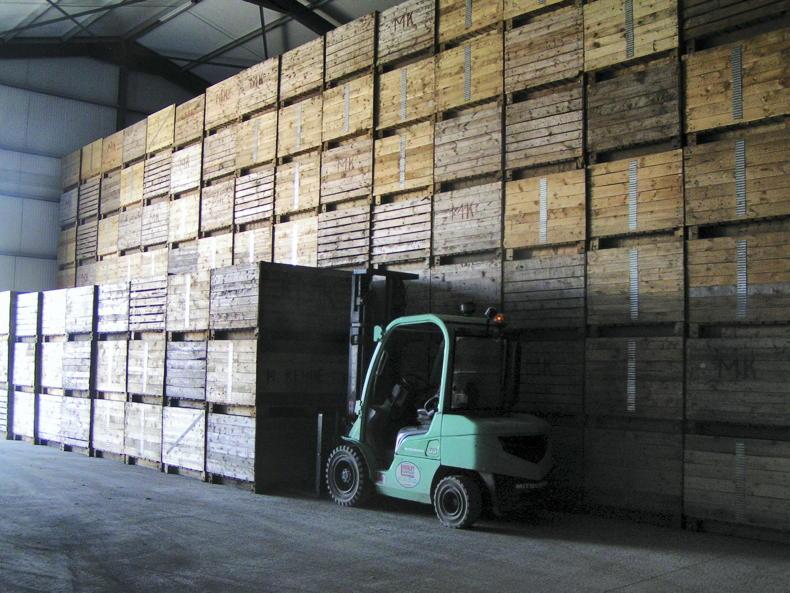
“The key issue was the finding that the use of farm buildings for the storage of horticulture produce in a temperature-controlled environment amounted to ‘processing’ of horticultural goods, which is an exception to the exempted properties from commercial rates under the 2001 act.
“Buildings used for ‘processing’ have previously and continue to be rateable under the act,” Minister Heydon told Seanad Éireann on Thursday.
Demand
Minister Heydon said that consumers’ year-round demand for staples including potatoes and onions necessitate pre-processing cooling.
However, the Minister added that the recency of the decision requires any implications arising from the ruling to be “considered” before action is taken to address any implications for vegetable grower margins.
Minister of State Michael Collins, who has responsibility for horticulture, has requested an opportunity to address the type of buildings eligible for rates exemptions with Minister for Housing James Browne.
“We have a change of interpretation here. Court cases have the potential to do that. We have to see how this plays out. If there is any appeal, we want to see how it goes,” Minister Heydon told senators.
“The Government’s policy rationale is that we recognise food production is a tight-margin operation and the storage of agricultural produce – food in large storage units would have a significant rate liability if they were rateable so they have been exempted for storage.
“With potatoes, for example, a farmer should be able to take a potato into a shed and store it until it is sold to market and that would not be rateable.”