



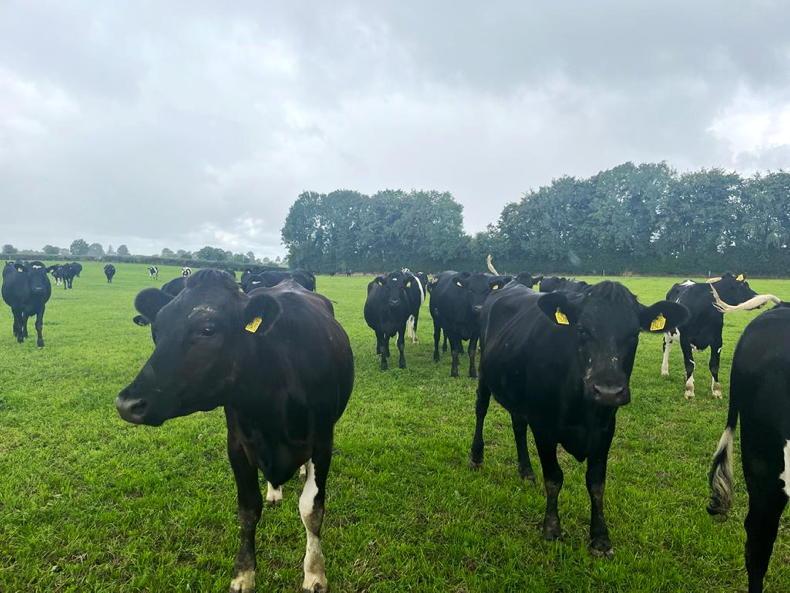
In light of increasing economic, social and environmental challenges faced by farmers in the drive towards sustainability, the EU Green Deal has set targets to halt biodiversity decline, improve water quality and reduce fertiliser and pesticide use. There are challenging environmental targets that need to be met when it comes to a reduction in greenhouse gas (GHG) and ammonia emissions.
In light of this, Teagasc has highlighted a range of technologies that can not only improve environmental sustainability on farms, but also improve farm profitability.
Optimizing livestock production systems
Improvements in grazing management, breeding more efficient animals, reducing the age of slaughter and increasing home-grown feed supplementation are technologies that are proven to reduce emissions in livestock production systems. However, there are also new technologies that are currently being tested for Irish production systems. Some of these include feed additives for reducing biogenic methane and breeding lower methane emitting animals.
Reducing fertiliser use
Nitrous oxide emissions from nitrogen fertiliser, manures and urine account for approximately 30% of agricultural emissions. The remaining 70% comes from slurry management and animals. A major challenge facing farmers is to reduce reliance on imported fossil fuel-derived fertilisers. Some ways in which farmers can do this is by optimising soil fertility. Doing so releases around 70kg N/ha from the soil. This reduces emissions by 40%. The use of low emissions slurry spreading increases the nitrogen supply in slurry, which also reduces fertiliser requirements.
Enhancing biodiversity
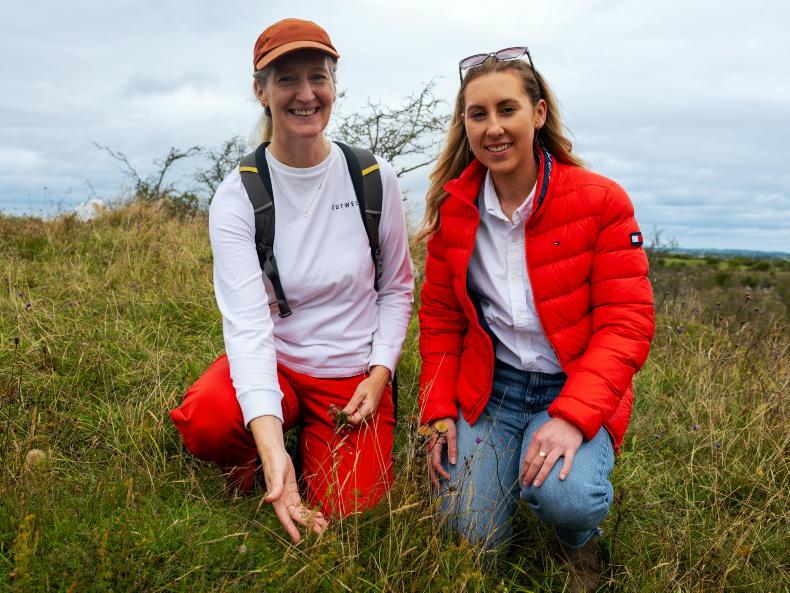
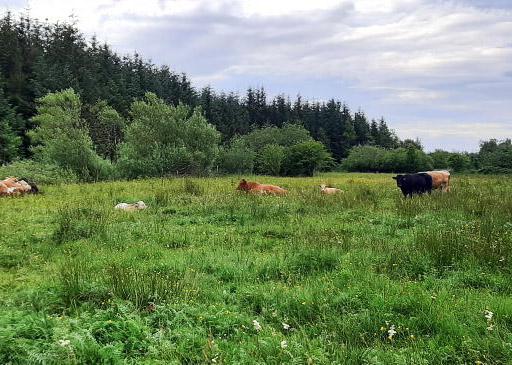
A recent survey of intensively managed farms found that the median wildlife habitat area was 5% (tillage), 6% (intensive beef) and 6.6% (intensive dairying). There are lots of ways in which farmers can actively improve habitats and wildlife on their farms, from multi-species swards, hedgerow management and field margins. Results-based payment schemes are also available to enhance on-farm biodiversity. Research is currently being done into quantifying farmland habitats and management plans.
Improving water quality
While Irish water quality is above average within the EU, only 53% of Irish waters are ranked good or high status. There are a wide range of technologies available for farmers to control nutrient loss from farmyards. Good nutrient management planning is critical. The Agricultural Sustainability Support and Advisory Programme (ASSAP) also provides advice on the implementation of technologies in areas that have a poor water quality status.
Carbon sequestration
Agricultural soils are a source of emissions in the land use and forestry part of the national GHG inventory. The potential carbon sequestered in our mineral soils is four times lower than the carbon lost from agricultural peat soils. Carbon sequestration is currently accounted for in the inventory using default values. Increasing the numbers of trees on farms through hedgerow management, farm forestry and agroforestry will increase carbon sequestration. There is also research underway on carbon farming.



SHARING OPTIONS