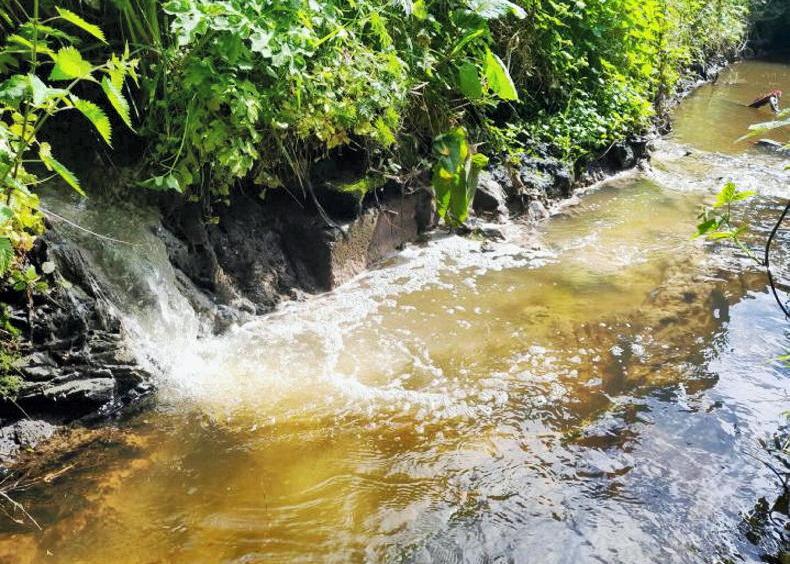
The Powerstown river is a relatively small but locally important watercourse on the Kilkenny and Carlow border, near Graiguenamanagh. At the heart of this area is the Powerstown_010 waterbody, a significant tributary that feeds directly into the river Barrow.
However, the water quality deteriorated in the tributary and in 2019 it was declared a priority area for action. After this, farmers, advisers and catchment scientists worked together to successfully improve water quality in the catchment.
The waterbody forms part of the wider drainage system feeding into the much larger River Barrow, one of Ireland’s major rivers.
The Powerstown catchment presents a mosaic of land use, predominantly agriculture and forestry, with well-drained soils and some poorly drained soils near the stream. The farming system is predominantly grassland (dairy and beef) with a small proportion of tillage.
Powerstown river water quality 2010 to 2024
Based on the EPA water quality report, the Powerstown river (Powerstown-10 waterbody) had deteriorated from good ecological status in the 2010 to 2012 report poor ecological status in the 2013 to 2018 report.
Backed up by the Local Authorities Waters Programme (LAWPRO) catchment science the Powerstown river was identified as a priority area for action (PAA) in 2019, as part of the Agricultural Sustainability Support and Advisory Programme (ASSAP).
Mathew Moylan of Tirlán which is involved in the project said: “The ASSAP approach in Powerstown is centred around achieving simple solutions and wins through direct farmer engagement. It is not about overhauling entire farming systems, but rather identifying critical source areas and implementing targeted, co-designed cost-effective mitigation measures.”
Working directly with farmers, the ASSAP advisers used science-led mitigation measures to address water pressures using the eight actions for change method. This breaks down complex environmental goals into three manageable pillars: nutrient management, farmyard management and land management.
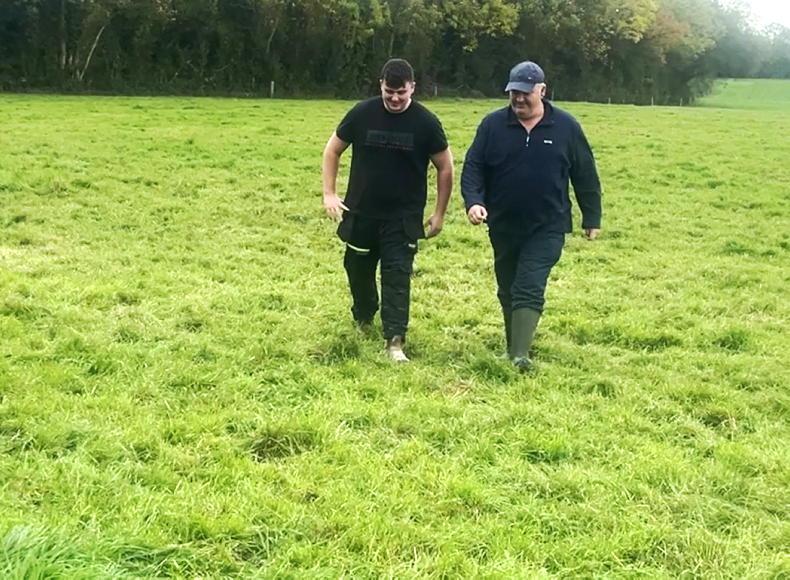
John Hayes senior and junior on their farm in the Powerstown catchment.
Nutrient management mitigation measures included the adoption of nutrient management planning that included increased soil testing and ensuring that both chemical fertilisers and organic manures were applied at the optimum time, correct rate and right location particularly during periods of high run-off risks to improve soil fertility.
To combat ammonia and point source pollution farmyards were upgraded. This included the separation of clean water from soiled water and minimising runoff from roadways to open drains. Additionally, farmers were encouraged to increase slurry storage capacity, enabling them to apply slurry under suitable conditions and improve nutrient use efficiency.
In terms of land management, the EPA PIP maps were used to pinpoint critical source areas (CSA) on farms where nutrient loss was highest ensuring the “right measure in the right place” and maximising environmental benefits from every on-farm investment.
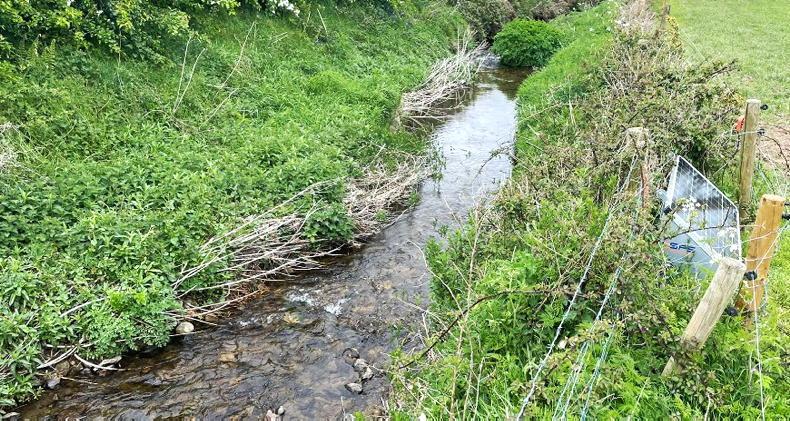
This was achieved by breaking the runoff pathway using riparian buffer strips growing native vegetation along the banks of streams to intercept sediment and phosphorous runoff.
Additionally, farmers fenced off watercourses to exclude livestock, drastically reducing bank erosion and direct deposition of nutrients into the water.
Also moving water troughs away from streams was a simple but effective way to cut down sediment loss into nearby water sources. During farm visits ASSAP advisers evaluated nutrient pathways, existing mitigation measures and practical actions. Follow up visits verified implementation of measures and addressed challenges.
Water quality improved
The impact of the mitigation measures was that the ecological status of the river improved to “good” in the EPA report published last year, covering the 2019-2024 period.
These actions led to reduced sediment loss and lower concentrations of phosphorus and ammonia, with a smaller reduction in nitrogen levels in the Powerstown river over the same timeframe.
Robust monitoring
Robust monitoring and evaluation are essential for improving water quality, helping farmers to improve water quality as they can see their actions can make a difference.
Regular sampling of key indicators – such as sediment, ammonia, nitrogen and phosphate – helps in assessing the effectiveness of interventions like riparian buffers and nutrient management. This data guides adaptive management, identifies emerging issues, and ensures measures remain effective.
Transparent reporting fosters stakeholder confidence and ongoing farmer engagement.
Data from Catchments.ie can be used to monitor changes in water quality over time.
Influencing farmer behaviour
The success of the Powerstown initiative thrived on a “multi-actor approach”, which included Teagasc and dairy co-op advisers working closely with farmers, backed by the rigorous catchment science provided by LAWPRO.
The Powerstown PAA serves as a highly replicable blueprint for improvement in water quality. It demonstrates that both productive farming and high water quality can coexist. This collaborative, farmer-driven approach offers a sustainable path forward for both the industry and Ireland’s precious waterways.
The Powerstown PAA demonstrates that meaningful improvements in water quality can be achieved through well-designed, targeted mitigation measures. Its success was underpinned by robust scientific analysis that enabled detailed catchment characterisation and a clearer understanding of pollutant pathways.
Equally important was the strong collaboration between farmers and key stakeholders, alongside interventions that were practical, targeted, and supported by measurable outcomes.
The lessons learned by Powerstown should be applied more widely across water quality programmes.
“The Powerstown PAA demonstrates successful water quality restoration through collaborative partnerships. It involves building trust and supporting resilient rural communities through evidence-based decision-making,” Deirdre Glynn, ASSAP adviser said.
The Powerstown river is a relatively small but locally important watercourse on the Kilkenny and Carlow border, near Graiguenamanagh. At the heart of this area is the Powerstown_010 waterbody, a significant tributary that feeds directly into the river Barrow.
However, the water quality deteriorated in the tributary and in 2019 it was declared a priority area for action. After this, farmers, advisers and catchment scientists worked together to successfully improve water quality in the catchment.
The waterbody forms part of the wider drainage system feeding into the much larger River Barrow, one of Ireland’s major rivers.
The Powerstown catchment presents a mosaic of land use, predominantly agriculture and forestry, with well-drained soils and some poorly drained soils near the stream. The farming system is predominantly grassland (dairy and beef) with a small proportion of tillage.
Powerstown river water quality 2010 to 2024
Based on the EPA water quality report, the Powerstown river (Powerstown-10 waterbody) had deteriorated from good ecological status in the 2010 to 2012 report poor ecological status in the 2013 to 2018 report.
Backed up by the Local Authorities Waters Programme (LAWPRO) catchment science the Powerstown river was identified as a priority area for action (PAA) in 2019, as part of the Agricultural Sustainability Support and Advisory Programme (ASSAP).
Mathew Moylan of Tirlán which is involved in the project said: “The ASSAP approach in Powerstown is centred around achieving simple solutions and wins through direct farmer engagement. It is not about overhauling entire farming systems, but rather identifying critical source areas and implementing targeted, co-designed cost-effective mitigation measures.”
Working directly with farmers, the ASSAP advisers used science-led mitigation measures to address water pressures using the eight actions for change method. This breaks down complex environmental goals into three manageable pillars: nutrient management, farmyard management and land management.

John Hayes senior and junior on their farm in the Powerstown catchment.
Nutrient management mitigation measures included the adoption of nutrient management planning that included increased soil testing and ensuring that both chemical fertilisers and organic manures were applied at the optimum time, correct rate and right location particularly during periods of high run-off risks to improve soil fertility.
To combat ammonia and point source pollution farmyards were upgraded. This included the separation of clean water from soiled water and minimising runoff from roadways to open drains. Additionally, farmers were encouraged to increase slurry storage capacity, enabling them to apply slurry under suitable conditions and improve nutrient use efficiency.
In terms of land management, the EPA PIP maps were used to pinpoint critical source areas (CSA) on farms where nutrient loss was highest ensuring the “right measure in the right place” and maximising environmental benefits from every on-farm investment.
This was achieved by breaking the runoff pathway using riparian buffer strips growing native vegetation along the banks of streams to intercept sediment and phosphorous runoff.
Additionally, farmers fenced off watercourses to exclude livestock, drastically reducing bank erosion and direct deposition of nutrients into the water.
Also moving water troughs away from streams was a simple but effective way to cut down sediment loss into nearby water sources. During farm visits ASSAP advisers evaluated nutrient pathways, existing mitigation measures and practical actions. Follow up visits verified implementation of measures and addressed challenges.
Water quality improved
The impact of the mitigation measures was that the ecological status of the river improved to “good” in the EPA report published last year, covering the 2019-2024 period.
These actions led to reduced sediment loss and lower concentrations of phosphorus and ammonia, with a smaller reduction in nitrogen levels in the Powerstown river over the same timeframe.
Robust monitoring
Robust monitoring and evaluation are essential for improving water quality, helping farmers to improve water quality as they can see their actions can make a difference.
Regular sampling of key indicators – such as sediment, ammonia, nitrogen and phosphate – helps in assessing the effectiveness of interventions like riparian buffers and nutrient management. This data guides adaptive management, identifies emerging issues, and ensures measures remain effective.
Transparent reporting fosters stakeholder confidence and ongoing farmer engagement.
Data from Catchments.ie can be used to monitor changes in water quality over time.
Influencing farmer behaviour
The success of the Powerstown initiative thrived on a “multi-actor approach”, which included Teagasc and dairy co-op advisers working closely with farmers, backed by the rigorous catchment science provided by LAWPRO.
The Powerstown PAA serves as a highly replicable blueprint for improvement in water quality. It demonstrates that both productive farming and high water quality can coexist. This collaborative, farmer-driven approach offers a sustainable path forward for both the industry and Ireland’s precious waterways.
The Powerstown PAA demonstrates that meaningful improvements in water quality can be achieved through well-designed, targeted mitigation measures. Its success was underpinned by robust scientific analysis that enabled detailed catchment characterisation and a clearer understanding of pollutant pathways.
Equally important was the strong collaboration between farmers and key stakeholders, alongside interventions that were practical, targeted, and supported by measurable outcomes.
The lessons learned by Powerstown should be applied more widely across water quality programmes.
“The Powerstown PAA demonstrates successful water quality restoration through collaborative partnerships. It involves building trust and supporting resilient rural communities through evidence-based decision-making,” Deirdre Glynn, ASSAP adviser said.
SHARING OPTIONS