Anaerobic digestion (AD) is a well-established technology and is expected to play a big role in enhancing the sustainability of Irish agriculture. The process involves the breaking down of organic material such as food waste, animal waste or plant material by microorganisms in oxygen-free, heated tanks. This process results in the creation of renewable biogas and digestate.
This biogas contains methane (CH4), carbon dioxide (CO2) and a number of other gases. Once upgraded to around 99% methane purity, the gas becomes biomethane, which can displace natural gas as a fuel source.
Ireland’s AD business model will see biomethane injected directly into the gas network, making use of the existing gas infrastructure. This clean, renewable and carbon neutral gas can then be used to power homes, businesses and transport.
Many AD plants will be based on farms and in other rural locations
While there is currently no support scheme in place, interest in AD continues to grow at farm level and 2020 is set to be a pivotal year for the development of the industry.
Farmers and the food industry will be central in developing the new biomethane industry. Many AD plants will be based on farms and in other rural locations, with the renewable gas transported to the closest injection facility, where it will enter the gas network.
Locating AD plants in rural areas will provide additional revenue sources for communities from the sale of feedstocks, biomethane and bio-fertiliser (upgraded digestate).
Emissions
The EU believes that Ireland has the largest potential per capita to produce biomethane. Gas Networks Ireland estimates that Ireland could replace 20% of natural gas use with biomethane within a decade, with the right support and policy frameworks in place.
The recast EU Renewable Energy Directive (RED II) sets out the criteria for a fuel to be classed as renewable energy and to be certified as zero emission or carbon neutral.
When the correct mix of organic matter is combined in an AD plant, the reduction in greenhouse gases (GHG) that would have been emitted by the organic matter offsets the GHG emissions from the combustion of biomethane, resulting in a carbon neutral fuel.
A certification process is used to ensure biomethane production meets the criteria for carbon neutral fuel set out in European legislation.
Ireland’s agri-AD business models have been championed by a number of organisations over the years, including the Renewable Gas Forum of Ireland and its members. Farmers have also played a central role in this. Billy Costello of Green Generation is one such farmer. Billy developed a farm-based AD plant in Nurney, Co Kildare, connected to his 2,500 sow pig unit.
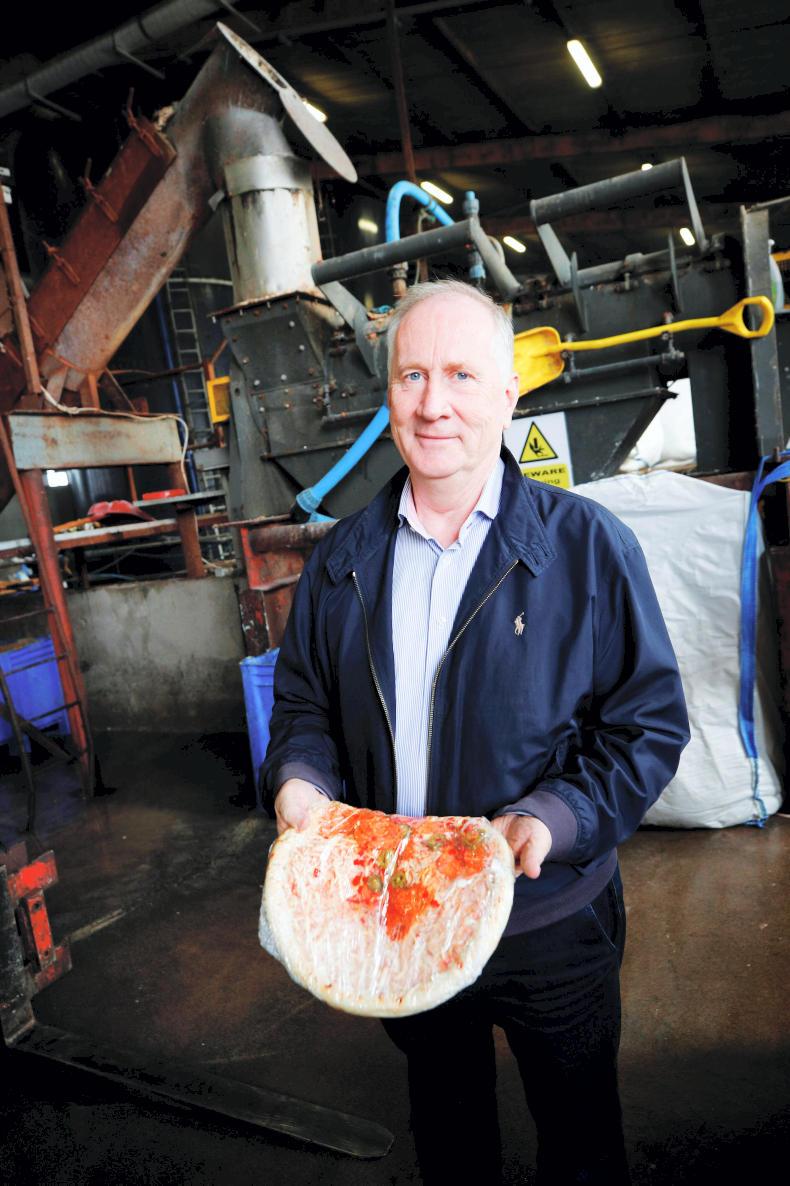
Green Generation owner Billy Costello.
The plant was first established in 2015 to produce biogas for combustion through a Combined Heat and Power (CHP) engine, producing electricity with the help of NRGE consultant Michael McEniry.
The plant has evolved over the past number of years and now also upgrades the biogas to biomethane for grid injection to Ireland’s first renewable gas injection point in Cush, Co Kildare. This purpose-built gas injection facility received a €1.7m innovation grant from Gas Networks Ireland and has the capacity to supply renewable gas to 11,000 homes. The majority of the gas supplied at this site is from Green Generation.
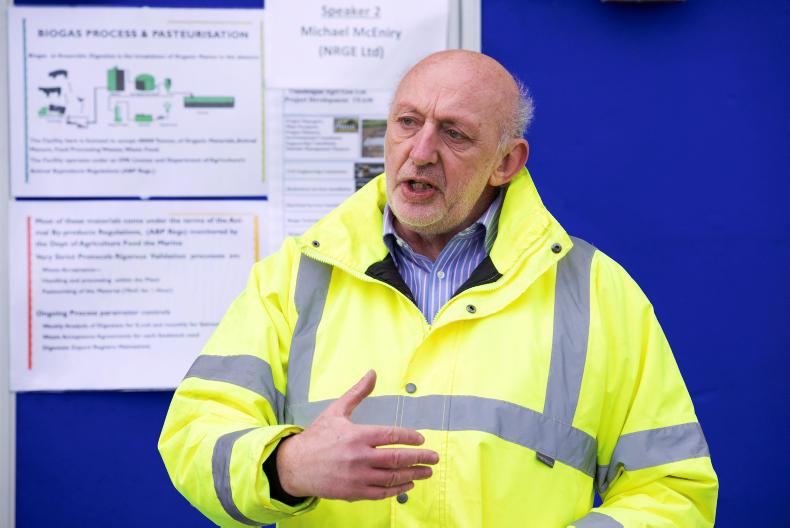
Michael McEniry, director of NRGE.
Technical specs
Billy’s AD plant handles around 50,000t of feedstock split 50:50 across pig manure and a number of waste streams, including belly grass, sludges and food waste. The two-tank system operates at 38°C, with a feedstock retention time of 70 days.
The plant currently produces around 40 Gigawatt hours (GWh) of energy in total. Around 25GWh of renewable gas is used in the on-site, one-MW CHP, which produces electricity. Around 10GWh per annum of energy is injected into the gas grid and around 5GWh is used to power the AD plant. The heat generated from the CHP is used to heat the plant and pig unit.
Billy’s raw biogas contains around 65% methane, 34% carbon dioxide and 1% other gases. This gas is upgraded to biomethane using membrane technology.
The biomethane is transported 7km to the Cush facility using a trailer, which can hold 5,000nm3 (normal meters cubed) of compressed biomethane (CBM).
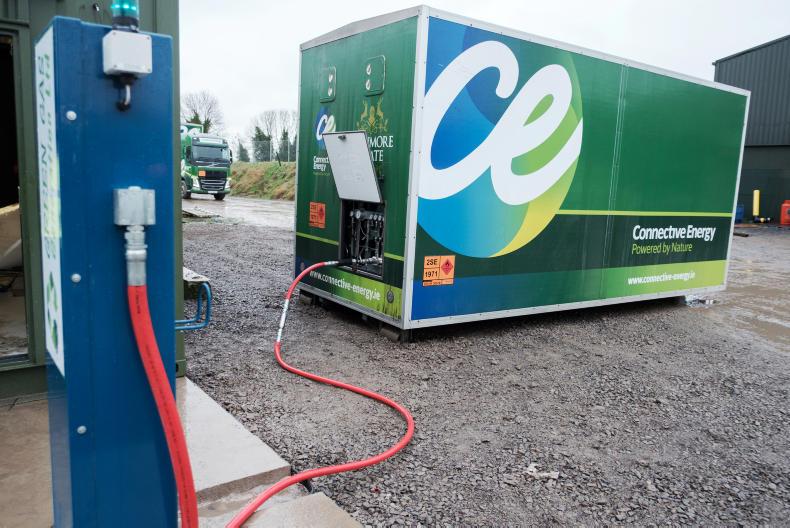
The biomethane is transported 7km to the Cush facility using a trailer.
It takes around 15 hours to fill the trailer and eight hours to empty it. Biomethane is injected into the gas grid at a pressure of four-bar.
The biomethane is delivered to customers via the gas grid. This process is managed by the shipper Naturgy, who is the first in Ireland to supply renewable gas.
Certification of the quality and origin of his biomethane is required under European directives, where it is used as a biofuel or by an Emissions Trading System (ETS) customer.
Gas Networks Ireland is launching a renewable gas registry later this month, where certificates of origin for each MWh of biomethane injected into the network grid will be issued. So far, Green Generation is supplying biomethane to Diageo and Tesco.
Digestate
Along with renewable gas, nutrient-rich digestate is also produced from the AD process. This digestate is typically higher in nutritional density than animal slurry and can be used as an organic fertiliser.
Green Generation produce around 40,000t of digestate annually. Under licensing requirements, the Department of Agriculture requires that the digestate be pasteurised in order to destroy any potential pathogens. The material is heated to 72°C for one hour before being stored on-site in an 18,000t storage tank.
Billy’s digestate is used by local farmers to fertilise grass and crops.and typically has a nutrient value of 6.2kg N, 0.9kg P and 1.2kg K/tonne.
Anaerobic digestion (AD) is a well-established technology and is expected to play a big role in enhancing the sustainability of Irish agriculture. The process involves the breaking down of organic material such as food waste, animal waste or plant material by microorganisms in oxygen-free, heated tanks. This process results in the creation of renewable biogas and digestate.
This biogas contains methane (CH4), carbon dioxide (CO2) and a number of other gases. Once upgraded to around 99% methane purity, the gas becomes biomethane, which can displace natural gas as a fuel source.
Ireland’s AD business model will see biomethane injected directly into the gas network, making use of the existing gas infrastructure. This clean, renewable and carbon neutral gas can then be used to power homes, businesses and transport.
Many AD plants will be based on farms and in other rural locations
While there is currently no support scheme in place, interest in AD continues to grow at farm level and 2020 is set to be a pivotal year for the development of the industry.
Farmers and the food industry will be central in developing the new biomethane industry. Many AD plants will be based on farms and in other rural locations, with the renewable gas transported to the closest injection facility, where it will enter the gas network.
Locating AD plants in rural areas will provide additional revenue sources for communities from the sale of feedstocks, biomethane and bio-fertiliser (upgraded digestate).
Emissions
The EU believes that Ireland has the largest potential per capita to produce biomethane. Gas Networks Ireland estimates that Ireland could replace 20% of natural gas use with biomethane within a decade, with the right support and policy frameworks in place.
The recast EU Renewable Energy Directive (RED II) sets out the criteria for a fuel to be classed as renewable energy and to be certified as zero emission or carbon neutral.
When the correct mix of organic matter is combined in an AD plant, the reduction in greenhouse gases (GHG) that would have been emitted by the organic matter offsets the GHG emissions from the combustion of biomethane, resulting in a carbon neutral fuel.
A certification process is used to ensure biomethane production meets the criteria for carbon neutral fuel set out in European legislation.
Ireland’s agri-AD business models have been championed by a number of organisations over the years, including the Renewable Gas Forum of Ireland and its members. Farmers have also played a central role in this. Billy Costello of Green Generation is one such farmer. Billy developed a farm-based AD plant in Nurney, Co Kildare, connected to his 2,500 sow pig unit.
Green Generation owner Billy Costello.
The plant was first established in 2015 to produce biogas for combustion through a Combined Heat and Power (CHP) engine, producing electricity with the help of NRGE consultant Michael McEniry.
The plant has evolved over the past number of years and now also upgrades the biogas to biomethane for grid injection to Ireland’s first renewable gas injection point in Cush, Co Kildare. This purpose-built gas injection facility received a €1.7m innovation grant from Gas Networks Ireland and has the capacity to supply renewable gas to 11,000 homes. The majority of the gas supplied at this site is from Green Generation.
Michael McEniry, director of NRGE.
Technical specs
Billy’s AD plant handles around 50,000t of feedstock split 50:50 across pig manure and a number of waste streams, including belly grass, sludges and food waste. The two-tank system operates at 38°C, with a feedstock retention time of 70 days.
The plant currently produces around 40 Gigawatt hours (GWh) of energy in total. Around 25GWh of renewable gas is used in the on-site, one-MW CHP, which produces electricity. Around 10GWh per annum of energy is injected into the gas grid and around 5GWh is used to power the AD plant. The heat generated from the CHP is used to heat the plant and pig unit.
Billy’s raw biogas contains around 65% methane, 34% carbon dioxide and 1% other gases. This gas is upgraded to biomethane using membrane technology.
The biomethane is transported 7km to the Cush facility using a trailer, which can hold 5,000nm3 (normal meters cubed) of compressed biomethane (CBM).
The biomethane is transported 7km to the Cush facility using a trailer.
It takes around 15 hours to fill the trailer and eight hours to empty it. Biomethane is injected into the gas grid at a pressure of four-bar.
The biomethane is delivered to customers via the gas grid. This process is managed by the shipper Naturgy, who is the first in Ireland to supply renewable gas.
Certification of the quality and origin of his biomethane is required under European directives, where it is used as a biofuel or by an Emissions Trading System (ETS) customer.
Gas Networks Ireland is launching a renewable gas registry later this month, where certificates of origin for each MWh of biomethane injected into the network grid will be issued. So far, Green Generation is supplying biomethane to Diageo and Tesco.
Digestate
Along with renewable gas, nutrient-rich digestate is also produced from the AD process. This digestate is typically higher in nutritional density than animal slurry and can be used as an organic fertiliser.
Green Generation produce around 40,000t of digestate annually. Under licensing requirements, the Department of Agriculture requires that the digestate be pasteurised in order to destroy any potential pathogens. The material is heated to 72°C for one hour before being stored on-site in an 18,000t storage tank.
Billy’s digestate is used by local farmers to fertilise grass and crops.and typically has a nutrient value of 6.2kg N, 0.9kg P and 1.2kg K/tonne.






SHARING OPTIONS