



If the recent fuel protests have taught us anything, it is that fuel prices are volatile and that volatility is likely here to stay. For Irish farmers, this adds another layer of uncertainty alongside rising input costs and fluctuating output prices.
In this environment, there is a growing need to think differently about energy use on farms.
UK-based Bennamann, part owned by CNH Industrial, is aiming to turn this challenge into an opportunity. Its technology enables farmers to produce their own tractor fuel from biogas and potentially generate an income from it.
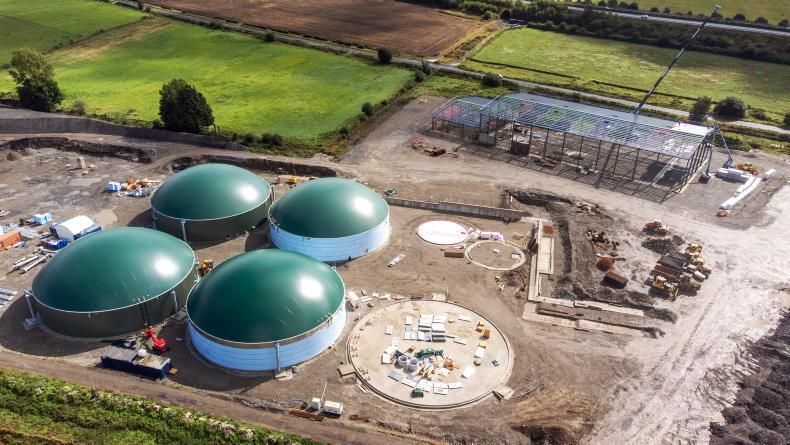
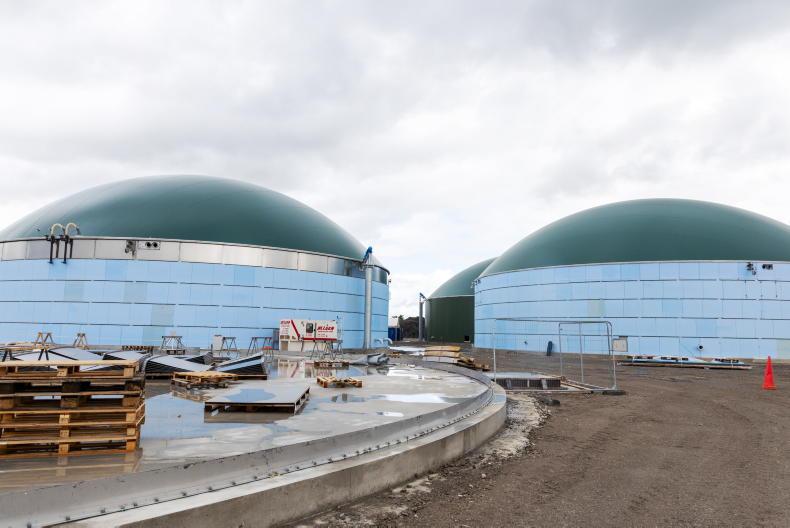
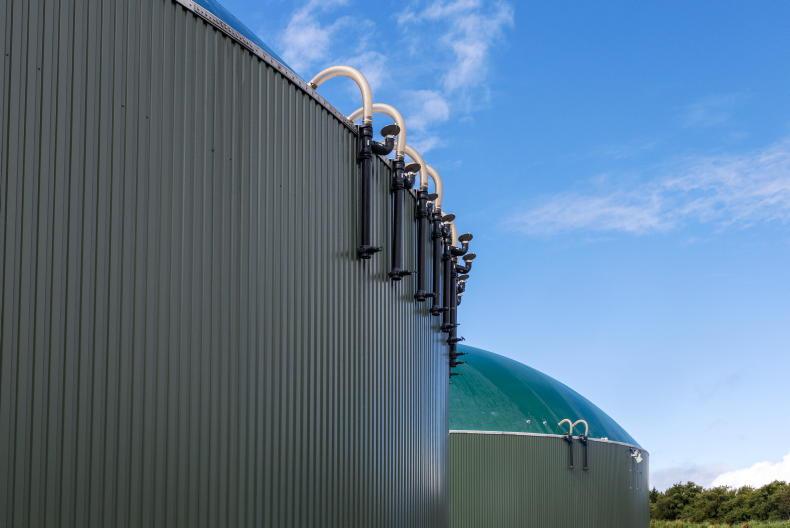
The company recently hosted an open day at ALG Biogas, near Newtownstewart, Co Tyrone, inviting members of the anaerobic digestion (AD) industry to see the system in operation.
New technology
Bennamann may already be familiar to some readers. A number of years ago, the company gained attention with a system designed to capture fugitive methane emissions from slurry lagoons and use the gas to run engines. While the concept was promising, its market potential was limited.
Since then, the company has shifted focus to AD plants and has developed a more scalable and commercially viable solution. Its latest system captures raw biogas, cleans it and upgrades it into compressed biomethane, suitable for use in gas powered vehicles, such as tractors or HGVs.
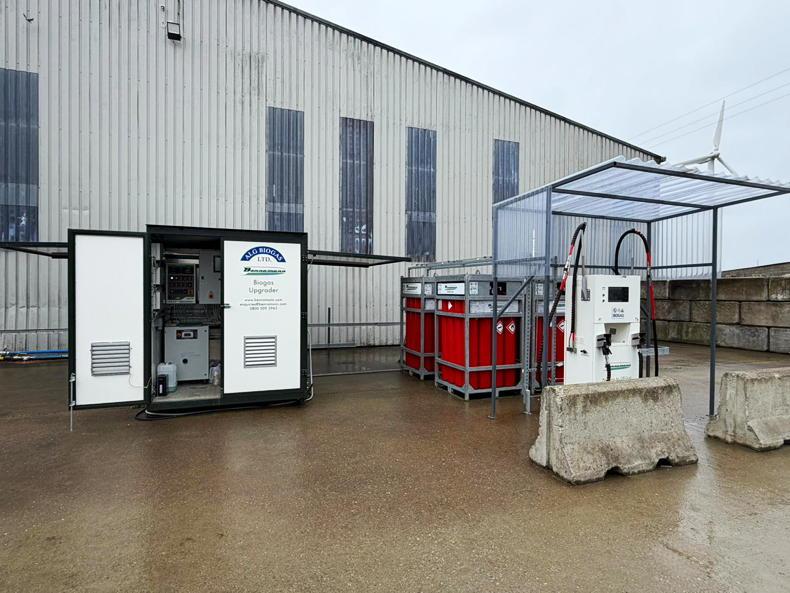
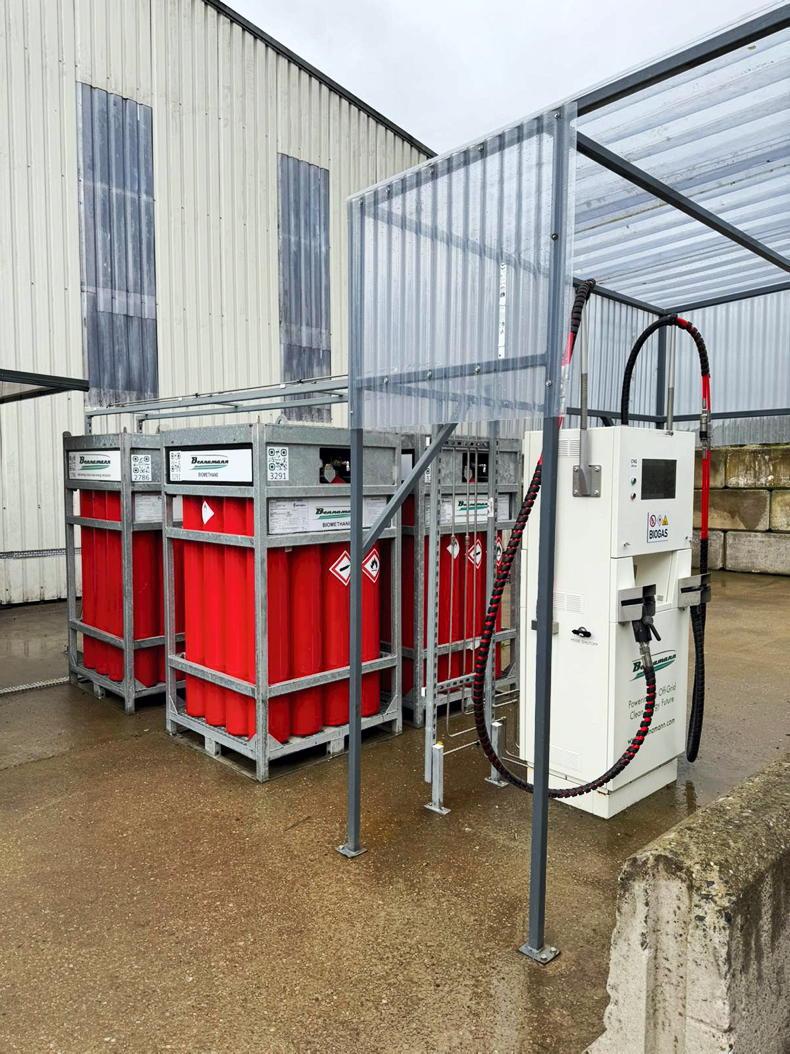
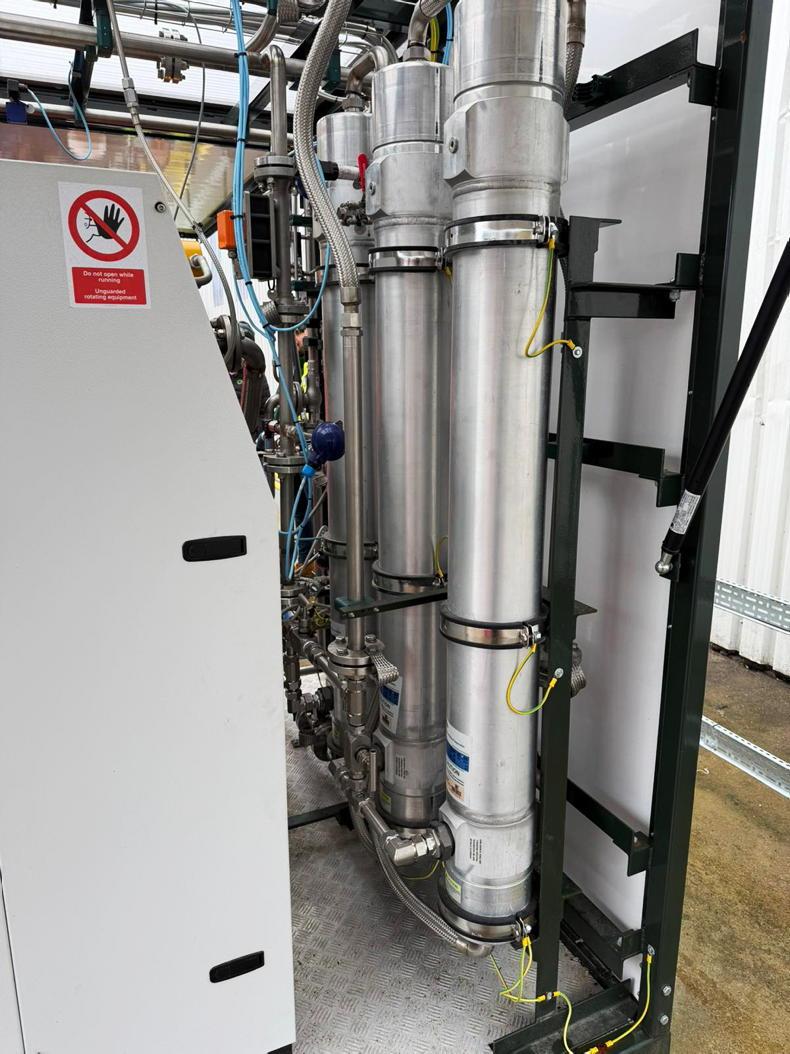
At the centre of the system is the CAPCH4 Biogas Upgrader, a skid-mounted and retrofittable unit designed for plug and play integration with existing AD plants. The system consists of three main components, the upgrader, gas storage and a dispenser.
Upgrading the gas
To be used as fuel, biogas must first be cleaned and upgraded. This involves removing impurities, such as hydrogen sulphide and carbon dioxide, and increasing methane purity to between 90% and 95% using membranes.
The resulting biomethane is then compressed to 250bar. The upgrader can process around 50 cubic metres of biogas per hour, which many AD plants in Northern Ireland could achieve without additional infrastructure.
In the Republic of Ireland, this scale would suit smaller farm-based AD plants, similar to the system under development at Teagasc Grange.
Importantly, the upgrader does not need to operate continuously and can be switched on and off depending on gas availability.
Storage
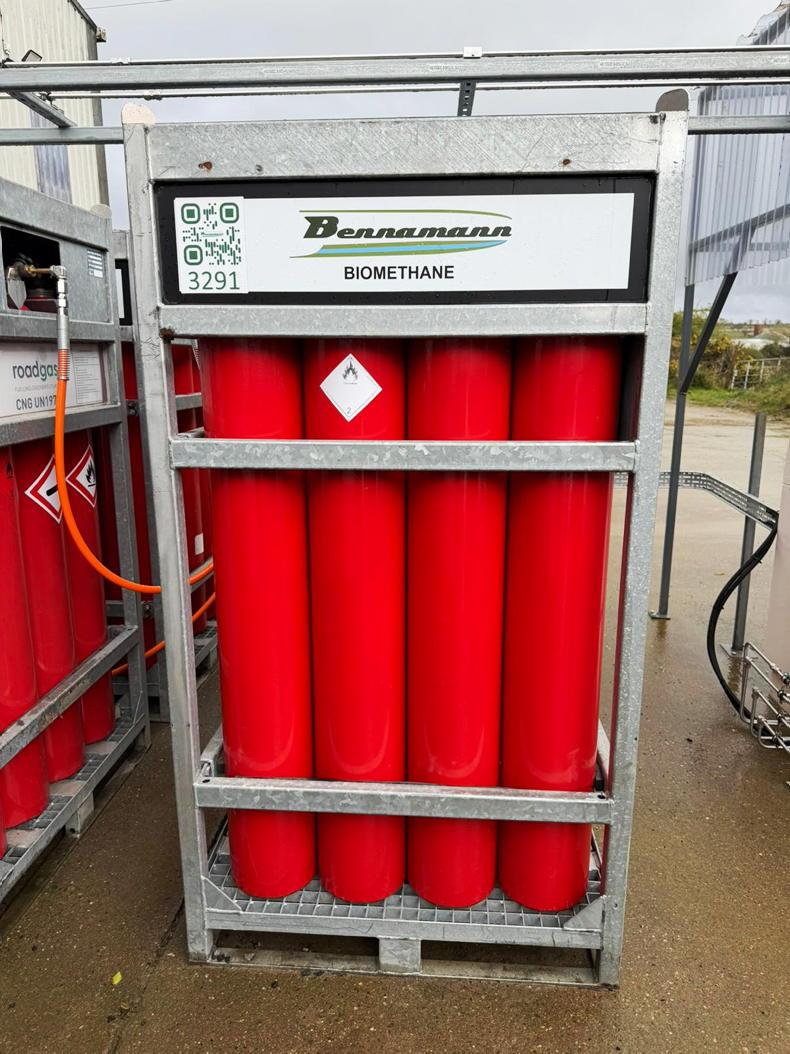
Once upgraded, the biomethane is odourised and stored in high pressure cylinders at 250bar. Typically, the gas is stored in bundles of four to six cylinders, although this can be scaled depending on demand.
While the storage units are technically portable, in practice it is more efficient to bring machinery back to the yard for refuelling.
Dispensing
The final stage is the dispenser, which resembles a conventional fuel pump. Two types are available, NGV1 and NGV2, depending on the size of the vehicle being refuelled.
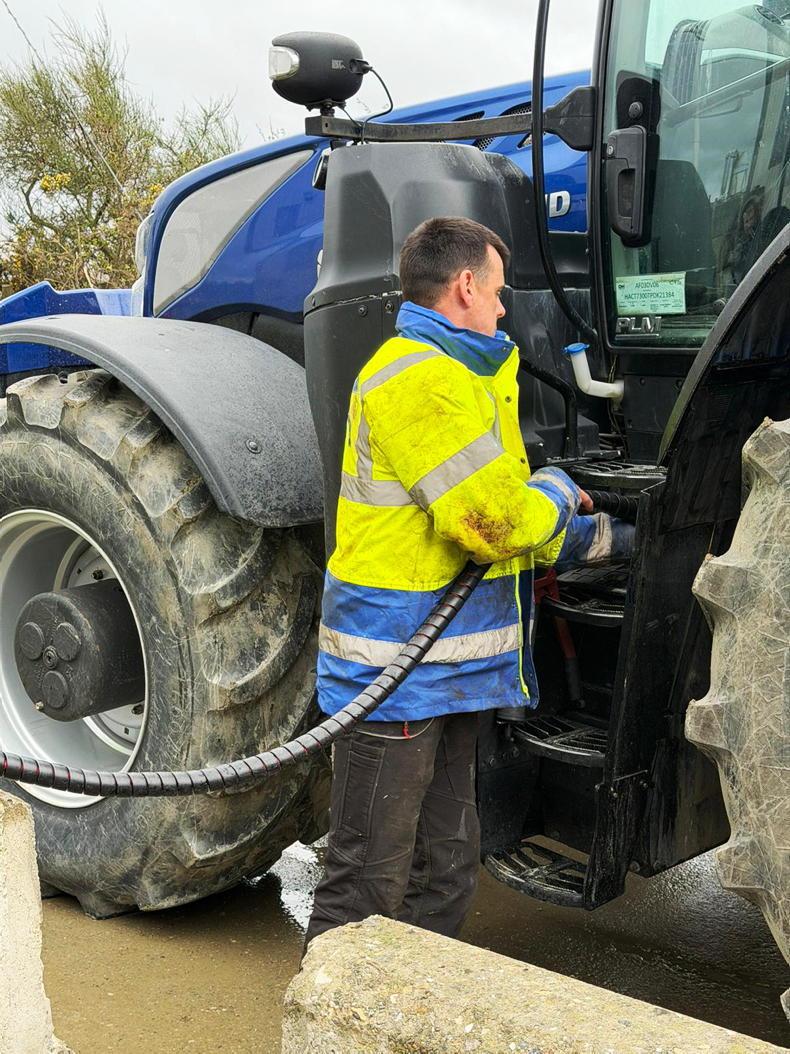
Gas is transferred from storage at 250bar into the tractor tank at around 200bar. Unlike diesel refuelling, this process takes 10-15 minutes due to the nature of high-pressure gas transfer.
Output and performance
The system is capable of producing up to 140,000 kilograms of compressed biomethane annually, which is roughly equivalent in energy terms to 140,000 litres of diesel.
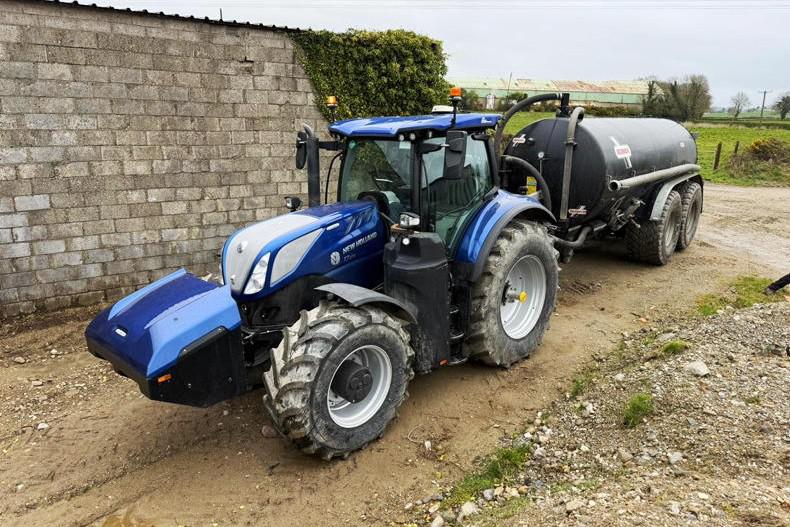
At ALG Biogas, the system is currently being piloted by operator Gordon Thompson, who is running a New Holland T7.270 Methane Power tractor. The machine is used for transporting feedstock and digestate to and from the plant.
According to Gordon, a typical refuelling at 7am is sufficient to last until mid-afternoon.
Performance is broadly comparable to a diesel equivalent, although torque is slightly lower, which is a common characteristic of gas-powered vehicles. The operation also includes an Iveco gas HGV lorry running on biomethane.
Turning fuel into income
One of the most notable aspects of this system is its potential to generate revenue rather than simply reduce costs.
In Northern Ireland, operators can benefit from the Renewable Transport Fuel Obligation scheme.
Because ALG Biogas uses waste-based feedstocks rather than energy crops, it can generate valuable certificate under the scheme, currently around 3.8p/kg of biomethane used as fuel.
According to Bennamann, this equates to approximately 18p/l diesel equivalent, effectively turning tractor fuel from a cost into a revenue-generating asset through the use of biomethane.
However, eligibility depends on feedstock composition and certification requirements, both of which are critical to the system’s overall economics. The capital cost of the system is in the region of £475,000 which includes six gas storage bundles.
In the Republic of Ireland, a similar Renewable Transport Fuel Obligation exists, although it remains unclear whether non-grid connected AD plants would qualify in the same way.
Where does it work
This system will not suit every farm. For contractors with large fleets operating over wide areas and high seasonal fuel demand, on site refuelling may not be practical. However, for the majority of farmers, particularly those with machinery operating close to the yard for most of the day, it presents a viable alternative.
With over 100 AD plants in Northern Ireland, many of which could produce surplus gas, the case for biomethane powered tractors is strong.
In the Republic of Ireland, the situation is more complex. Larger AD plants in development may be able to support such systems, but for smaller farm scale units, the economics are more challenging.
That said, targeted supports such as capital grants of 60% or more, alongside incentives for biomethane powered machinery, could significantly improve viability.
*The author is currently involved in a family/community proposal for an anaerobic digestion facility in Co Donegal.


SHARING OPTIONS