



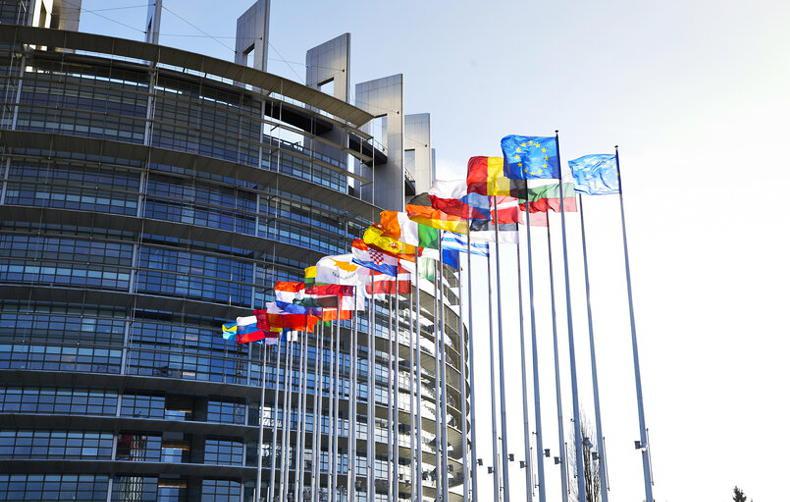
The Council of the European Union and the European Parliament have reached a provisional political agreement to raise the share of renewable energy in the EU's overall energy consumption to 42.5% by 2030, with an additional 2.5% indicative top-up to reach 45%.
The decision is part of the process to revise the Renewable Energy Directive and adopt REDII.
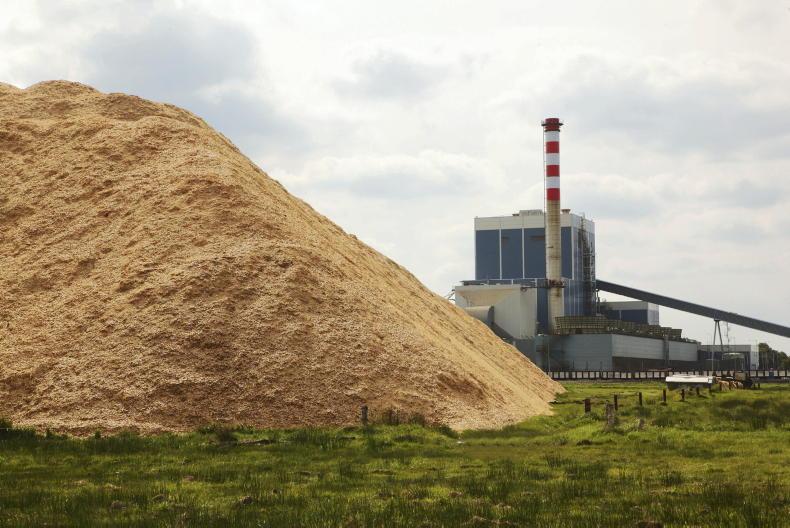
The agreement strengthens the sustainability criteria for biomass used for energy to reduce the risk of unsustainable production, and it ensures the application of the cascading principle, with a focus on support schemes.
The 'cascading principle' means the efficient use of resources by using residues and recycled materials for material use to extend total biomass availability within a given system.
Sub-targets
The agreement includes more ambitious sector-specific targets for transport, industry, buildings, and district heating and cooling, as well as faster permitting procedures for renewable energy projects.
The deal requires formal adoption by both the Council of the EU and the European Parliament to come into force.
The sub-targets aim to speed up the integration of renewables in sectors where incorporation has been slower.
The sub-target for advanced biofuels and renewable fuels of non-biological origin (RFNBOs) is 5.5%, with the latter category determined at a minimum of 1%.
Transport
The agreement allows member states to choose between a binding target of a 14.5% reduction of greenhouse gas intensity in transport from the use of renewables by 2030, or a binding share of at least 29% of renewables within the final consumption of energy in the transport sector by 2030.
The industry would be obligated to increase its use of renewable energy annually by 1.6%, with 42% of hydrogen used in the industry coming from renewable fuels of non-biological origin by 2030 and 60% by 2035.
The deal sets an indicative target of at least a 49% renewable energy share in buildings by 2030.
It provides for a gradual increase in renewable targets for heating and cooling, with a binding increase of 0.8% per year at the national level until 2026, and 1.1% from 2026 to 2030.
Go-to areas
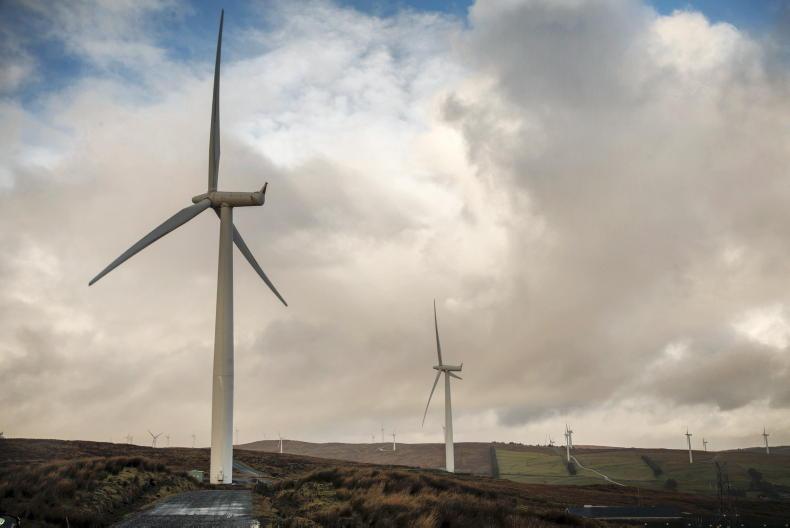
The maximum period for national authorities to approve new renewable energy installations will be 12 months if located in "renewables go-to areas". Outside such areas, the process should not exceed 24 months.
Member states would need to set an indicative target for innovative renewable energy technology of at least 5% of newly installed renewable energy capacity, as well as a binding framework for cross-border energy projects.



SHARING OPTIONS