



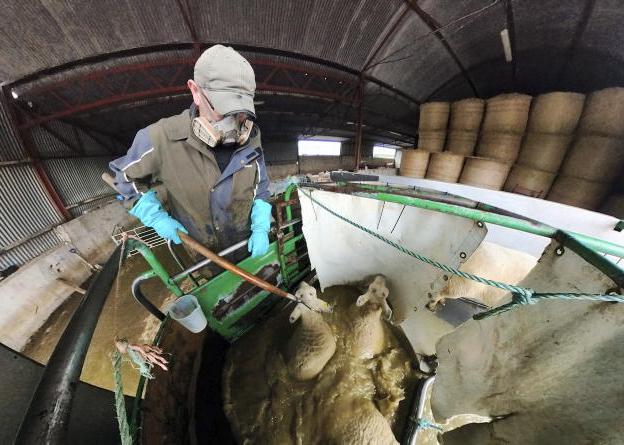
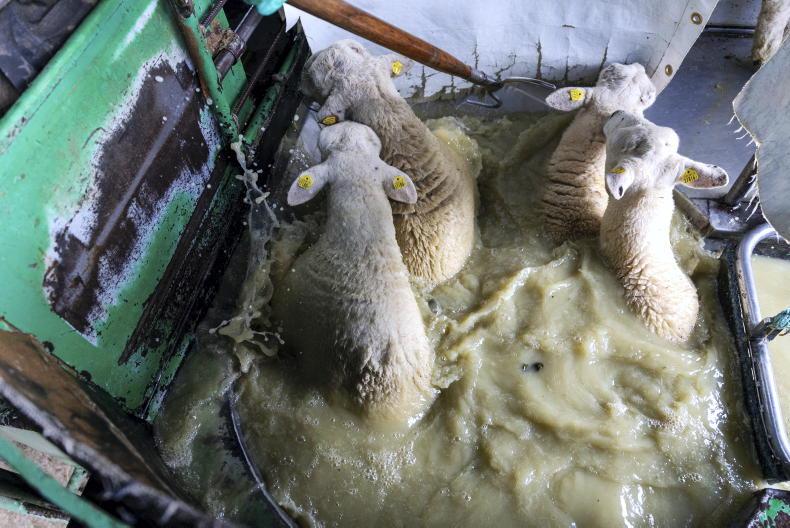
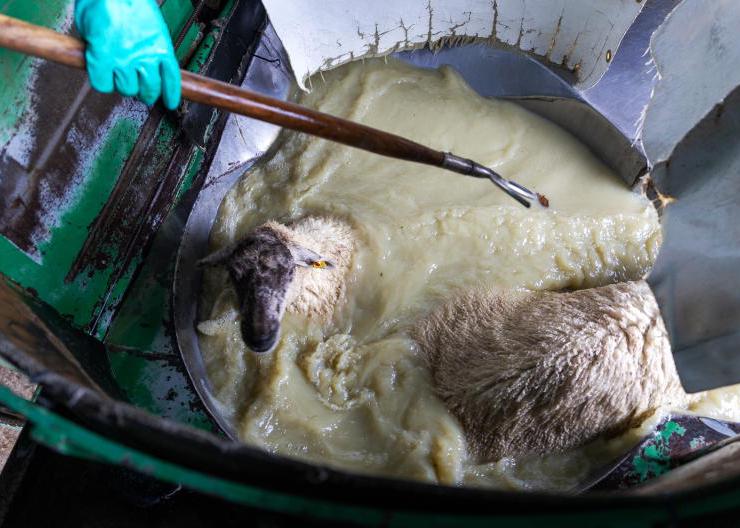
Kevin Sheridan is a Co Meath-based mobile plunge sheep dipping operator covering mainly the midlands area. He is well versed in his role dipping for in excess of 20 years and handling thousands of sheep in a season. We caught up with him recently during dipping on the Irish Farmers Journal Tullamore Farm.
The most important aspect when dipping is the health and safety of the operator and sheep being dipped. In this regard personal protective equipment/clothing is essential.
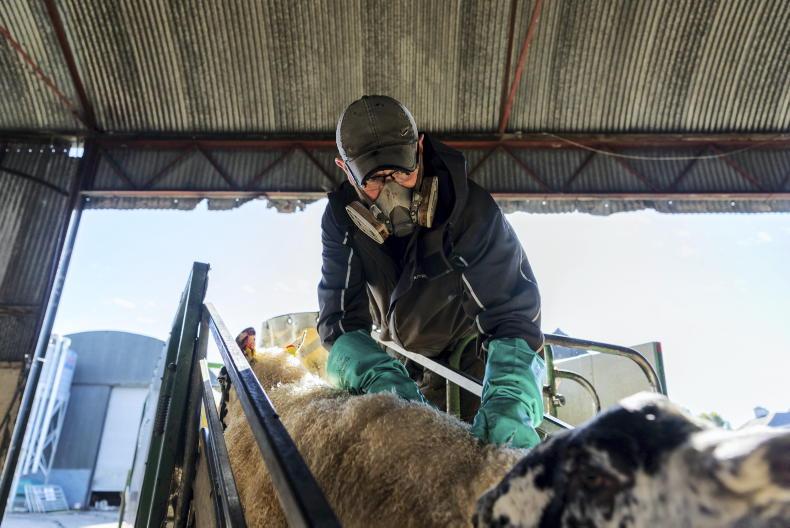
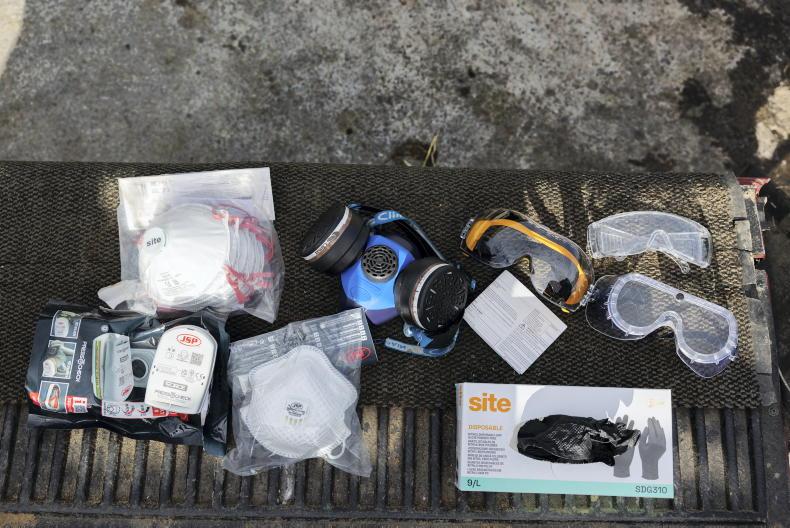
There are two main aspects to consider here – protective clothing that prevents any splashes from coming in contact with the skin and a respiratory mask/face shield with the correct chemical filters that protect the operator from inhaling fumes/liquid vapour.
First-hand experience
Many farmers are of the opinion that when dipping outdoors there is no need for respiratory protection and it is common to see farmers dipping without these or dipping with face masks that are only suitable for dust protection. Kevin gave us a first-hand account of the consequences of not wearing respiratory protection. He recalls a visit to a farm to dip about 150 sheep and realising he forgot his face mask.
Thinking it was just a quick job, he believed he would be okay without it on this occasion. This seemed to be the case while dipping the sheep – Kevin noticed that there was strong fumes but it didn’t seem to be doing him any harm so he progressed with dipping.
It was only after he had finished that he started to feel progressively worse and later into the evening he felt dizzy, nauseated and experienced what he describes as terrible headaches.
Thankfully the symptoms dissipated quickly, but the experience was such that Kevin will now never attempt to dip sheep without a mask no matter how hot it is or how much of a breeze or wind is present. Mask filters are changed at least every month and more frequently during peak dipping periods.
Handle with care
The chemicals in sheep dipping products are important for the control of external parasites in sheep and to treat/prevent ailments. There is no other animal health practice that matches dipping in terms of the suite of external parasites covered in one treatment.
But we must be aware of the risk of incorrect handling of these chemicals from the point of view of safety of the operator, animal health and welfare and safe disposal of spent dip to prevent any risks to water quality or aquatic life.
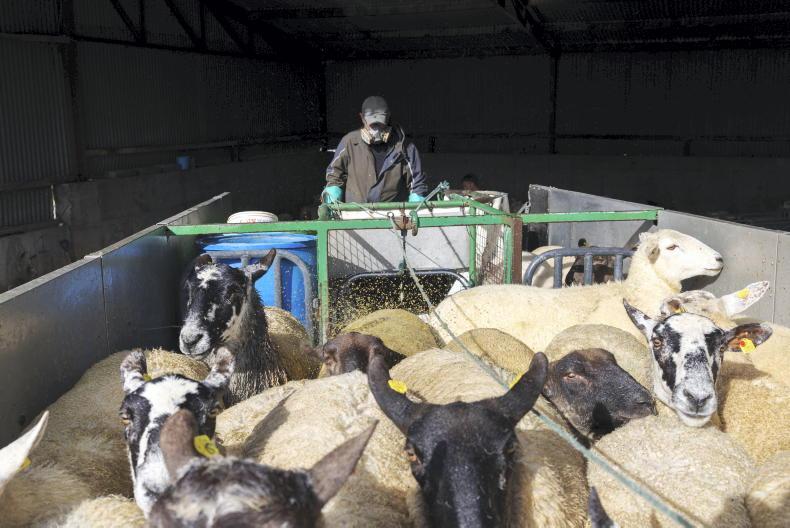
Animal health – in terms of animal health it is important that sheep are fasted in advance of dipping. This delivers numerous benefits – sheep travel much easier and transit through the dipping tub when they have an empty stomach, which also aids the operator as there is less pressure if sheep need to be handled, and there is less faeces and urine in the collection area and tub reducing contamination.
Operator health – as touched on already PPE is vital when dipping. A respiratory face mask/shield with the appropriate chemical filters is critical. Filters should also be checked to ensure that they are in date where used periodically. Waterproof clothing and wellingtons are crucial as are nitrile gloves which ensure there is no skin conduct with product.
Environmental precautions – the risk of products causing environmental damage stems from spent sheep dip being disposed of incorrectly, sheep accessing watercourses post-dipping or being turned out to lands adjacent to watercourses during rainfall posing risks of run-off from fleeces and containers not washed and disposed of correctly.
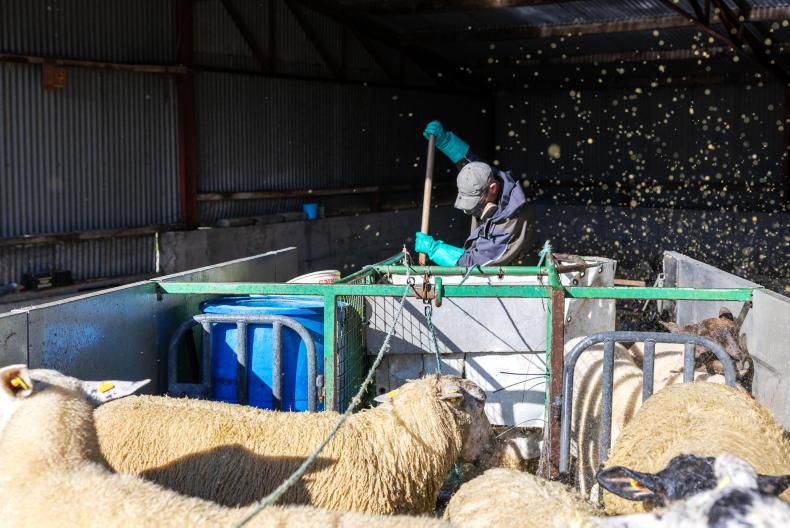
In terms of disposal of spent sheep dip the general advice is to dilute at a ratio of at least 1:3 with slurry/water. Remember application of such materials is also governed by prohibited application periods for slurry.
National hazardous waste management plan
There was a spotlight on sheep dipping in the recent mid-term review of the Environmental Protection Agency’s National Hazardous Waste Management Plan.
The review lists several challenges for managing sheep dip in Ireland and lists possible management practices being introduced including the introduction of a system of registration of end users, the regulation of mobile sheep dipping contractors, the viability of an authorisation process for the disposal of spent dip including licensing requirements for storing, transporting and disposing of spent dip.
There are strict regulations in Northern Ireland concerning the discharge of spent dip onto agricultural lands. Authorisation is required for most farms for the discharge of ‘hazardous substances and non-hazardous pollutants’ on to lands from the Northern Ireland Environment Agency (NIEA).
This includes the disposal of spent sheep dip (including cosmetic dips and shampoo) and waste pesticides (including tank washings not sprayed back over the target crop).
General precautions
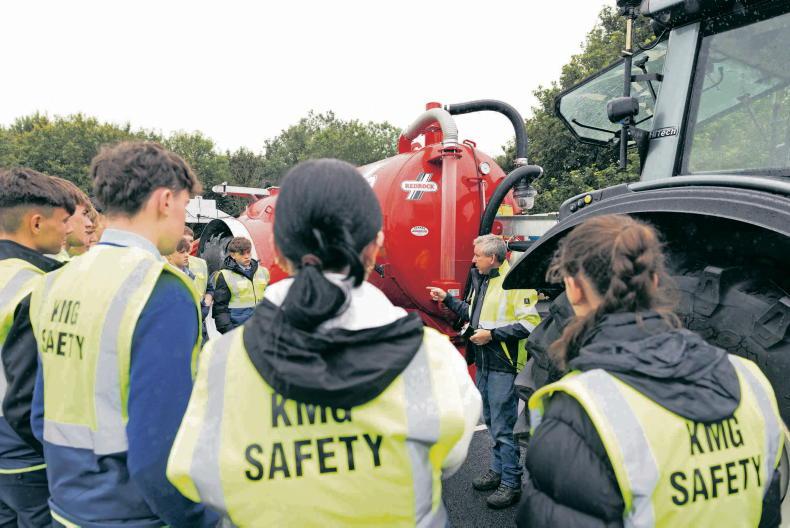
As we head into the busy autumn/winter housing period there are numerous areas relating to PPE that are important to remember. Suitable respiratory masks should be used where handling any substances where there is a risk of health issues from inhaling substances/toxins.
Examples include hay, straw and silage which may have mould present. Suitable gloves are important as are protective glasses where there is a risk of substances coming into contact with eyes. Common risks here include the application of lime to cubicle beds or animal housing.





SHARING OPTIONS